Illustration showing small health signs people ignore, with Black adults examining early health symptoms

The Small Health Signs Most People Ignore Until It’s Too Late

The body is always speaking. Not with words, but with signals. A little tiredness.A small pain.A strange change in your skin.A feeling that something is “not quite right.” Most people notice these signs… but they ignore them. They assume it is nothing. “I’m just tired.”“It will pass.”“I’ll deal with it later.” But sometimes later becomes too late. Many serious health problems begin as small signals the body sends early. Learning to listen to these signals can make a huge difference in long-term health. Your Body Sends Early Warning Signals The human body is very intelligent. Before a major health issue appears, the body usually sends quiet warnings first. These warnings are often easy to ignore because they seem small. But small signs can sometimes point to bigger problems developing inside the body. When these signals are ignored for too long, the body may eventually be forced to respond more strongly. That is when symptoms become harder to ignore. Your Body Sends Early Warning Signals The human body is very intelligent. Before a major health issue appears, the body usually sends quiet warnings first. These warnings are often easy to ignore because they seem small. But small signs can sometimes point to bigger problems developing inside the body. When these signals are ignored for too long, the body may eventually be forced to respond more strongly. That is when symptoms become harder to ignore. 1. Constant Tiredness Feeling tired after a long day is normal. But feeling tired every day, even after rest, may mean the body is under stress. This can happen when: The immune system is fighting infections Organs are overworked The body is dealing with internal imbalance Persistent fatigue is one of the most common warning signs people ignore. 2. Frequent Skin Problems The skin is often called a mirror of internal health. When the body struggles internally, the skin sometimes shows it first. Common signs include: Recurring boils Rashes Skin infections Persistent irritation These problems may appear small, but they can sometimes signal deeper issues within the body. 3. Digestive Discomfort Your digestive system works every day to process food and remove waste. When something is wrong internally, digestion is often affected. Warning signs may include: Bloating Stomach discomfort Irregular bowel movements Poor appetite Many people treat these symptoms temporarily instead of asking why they keep happening. 4. Slow Healing Wounds The body normally heals cuts and wounds quickly. But when healing becomes slow, it may indicate that the body is struggling to repair itself. Slow healing can sometimes be linked to: Weak immunity Infection Poor circulation Internal imbalance This is another signal people often overlook 5. Repeated Infections Some people experience infections that seem to return again and again. These may include: Skin infections Bacterial infections Persistent inflammation When infections repeat frequently, it may mean the body’s defense system needs stronger support Why People Ignore These Signs There are many reasons people ignore small health signals. Life Is Busy Work, family responsibilities, and daily stress can make health feel less urgent. People often promise themselves they will focus on their health later. The Symptoms Seem Small Because early signs are mild, they are easy to dismiss. But ignoring small problems can sometimes allow them to grow quietly over time. The Body Is Strong The human body is incredibly resilient. It can keep working even under pressure for a long time. But that strength can sometimes hide problems until they become more serious. Why Early Attention Matters Taking care of your health early can help prevent bigger problems later. When the body receives support early, it can often correct small imbalances before they grow. Healthy habits play an important role in this process. These habits include: Proper rest Balanced nutrition Hydration Stress management Supporting the body’s natural cleansing processes When these habits are consistent, the body is better equipped to protect itself. Supporting the Body From the Inside For many people, wellness is not just about treating symptoms when they appear. It is also about supporting the body internally so it can function at its best. Herbal wellness traditions have long focused on helping the body maintain balance and strengthen natural defenses. Certain herbal products are designed to support these goals. For example: Supa Clinsa is often used to support the body when dealing with infections and internal cleansing. Lungs & Kidney Tea is formulated to help support respiratory and kidney health. Nakademus is commonly used to support vitality, circulation, and overall strength. These products are typically used alongside healthy lifestyle habits as part of a broader wellness approach. Listen to Your Body Your body works every moment to protect you. Your heart beats.Your lungs breathe.Your organs remove waste and fight infection. When something inside needs attention, the body usually sends small signals first. Learning to notice these signals early can make a powerful difference in your long-term health. Because when it comes to wellness, the body often whispers before it finally shouts.

Read More

Most People Wait Too Long Before Taking Care of Their Health

Most people wait too long before taking care of their health. It often starts with something small. Maybe you feel tired more often.Maybe you notice small pains in your body.Maybe your sleep is not as good as it used to be. But many people ignore these signs. They say things like: “I’m just stressed.”“I’ll rest later.”“It will go away.” And sometimes it does. But many times, it doesn’t. Your body is always speaking. The problem is that many people only listen when the message becomes loud. Your Body Gives Warning Signs The human body is very smart. Before serious health problems appear, the body usually sends small signals. These signals can look simple at first: Feeling tired all the time Poor sleep Frequent headaches Skin problems Digestive discomfort Low energy Many people think these are normal parts of life. But sometimes they are early warnings that the body is struggling. When the body works too hard for too long, small problems can slowly grow into bigger ones. That is why early care is important. Why People Delay Taking Care of Their Health There are many reasons people delay caring for their health. 1. Life Is Busy Work, family, and daily responsibilities can make people forget about their health. People often say they will focus on their health “later.” But later can easily become years. 2. The Problem Does Not Feel Serious Many health issues grow slowly. Because they start small, people believe they are harmless. But ignoring the early signs can allow problems to build up inside the body. 3. People Feel Fine Most of the Time Sometimes the body can hide stress and imbalance for a long time. The body is very strong and can keep working even when it needs help. But that does not mean everything is okay. Just because you feel fine today does not mean your body is not under pressure. What Happens When Health Is Ignored When people delay caring for their health, the body continues working harder and harder. Over time, several things can happen. The immune system may weaken. Toxins may slowly build up inside the body. Organs such as the kidneys, liver, and lungs may begin to feel the pressure of constant work. Energy levels may drop. The body becomes tired. Healing becomes slower. When people finally take action, the body may already be dealing with deeper problems. This is why prevention is always easier than repair. Early Care Makes a Big Difference Taking care of your health early does not have to be complicated. Small actions can make a big difference. Simple habits like: Drinking enough water Sleeping well Eating balanced meals Managing stress Supporting the body’s natural detox process These habits help the body stay strong. They also help organs continue doing their important work. Your lungs help you breathe and bring oxygen to your body. Your kidneys help filter waste and maintain balance. Your immune system protects you from infections. When these systems are supported, the body functions more smoothly. Supporting Your Body From the Inside Many people focus only on treating problems when they appear. But real wellness often begins with supporting the body before problems grow. Herbal wellness approaches have been used for generations to help support the body’s natural processes. Certain herbal formulations are designed to assist the body in maintaining balance and internal cleansing. For example: Nakademus is commonly used to support male vitality and energy. Lungs & Kidney Tea is formulated to help support respiratory and kidney wellness. Supa Clinsa is designed to assist the body in managing infections and internal cleansing. These kinds of herbal support products are often used alongside healthy lifestyle habits to promote overall wellness. They are not magic solutions, but they can be part of a broader wellness approach. The Best Time to Care for Your Health Is Now Many people wait until their body forces them to pay attention. But the best time to take care of your health is long before that moment arrives. Your body works for you every day. Your heart beats without asking.Your lungs breathe without stopping.Your organs continue doing their jobs every second. Taking care of your health is simply returning that care. Small steps today can protect your body tomorrow. Because when it comes to wellness, the earlier you start, the stronger your body can remain for years to come.

Read More
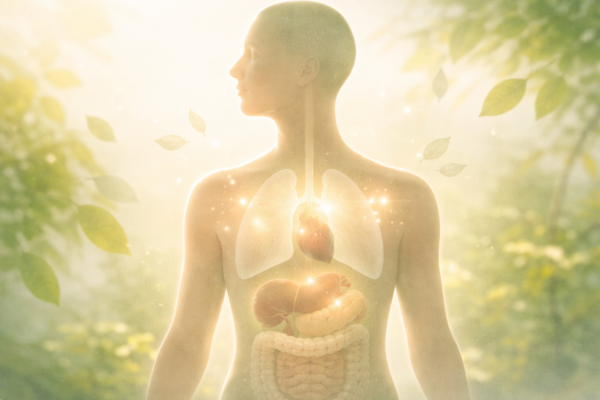
A calm human silhouette with softly glowing internal organs, highlighting the lungs, heart, liver, and digestive system in gentle green and beige tones, representing inner-body healing and wellness.

Do You Have Staphylococcus? Signs, Causes, and Healing From Within

Do you have staphylococcus?It often starts quietly. A small boil.A stubborn pimple.A wound that just won’t heal. At first, you ignore it. You tell yourself it’s nothing. Maybe stress. Maybe heat. Maybe “it will go on its own.” But what if it doesn’t? What if your body has been trying to tell you something deeper? What Is Staphylococcus? Staphylococcus (often called staph) is a type of bacteria. It lives on the skin and inside the nose of many people. Most of the time, it causes no problem at all. But when the skin breaks, even a tiny cut, scratch, or shaving nick, staph bacteria can enter the body. When this happens, it can cause an infection. Some infections stay mild. Others grow fast and become painful, dangerous, and hard to ignore. Common Signs of Staphylococcus Infection One reason staph infections spread quietly is because they don’t look serious at first. They can appear as: Small red bumps Boils filled with pus Swollen or painful skin Warm areas on the body Crusting sores Wounds that smell bad or ooze Many people mistake these signs for: Heat rashes Pimples Ingrown hairs “Just dirt under the skin” So, they wait. And waiting is often what gives staph time to grow. When Staph Becomes a Bigger Problem If staph is not treated early, it can move deeper into the body. It may spread to: The bloodstream Bones and joints Lungs Organs At this stage, symptoms may include: Fever Weakness Body pain Fatigue Repeated skin infections Some people find that no matter how many creams or antibiotics they use, the infection keeps coming back. That’s when the real question appears: Why is my body not clearing this infection? Why Staphylococcus Keeps Coming Back Here’s something many people are never told: Skin infections don’t start on the skin alone. They are often connected to what’s happening inside the body. When your internal system is overloaded — from poor digestion, toxin buildup, weak immunity, or stressed organs — your body becomes a safe space for bacteria to thrive. Staph doesn’t always mean your body is “dirty.” Sometimes, it means your body is tired. Why Antibiotics Don’t Always Feel Like the Final Answer Modern medicine plays an important role, especially in severe infections. Antibiotics can save lives. But many people notice something frustrating: The infection clears Then comes back Stronger than before This happens because antibiotics may kill bacteria, but they often don’t rebuild the body’s natural defenses. If the immune system is weak, bacteria find a way back in. That’s why true healing often needs both treatment and internal support. Healing From the Inside Out The body is not a battlefield.It is a system. When one part is struggling, another part shows the signs. Skin infections often point to: Poor waste removal Overworked liver or kidneys Digestive imbalance Inflammation inside the body Supporting these systems helps the body do what it was designed to do — heal itself. This is where gentle, consistent wellness support matters. A More Balanced Approach to Recovery Instead of fighting your body, ask: How can I support it? How can I make healing easier? How can I stop this from returning? Many people find improvement when they focus on: Cleaning the system gently Supporting immune strength Reducing internal stress Giving the body time to repair Healing is not always loud or fast. Sometimes, it is quiet and steady. When to Seek Medical Help This is important. If you have: High fever Severe pain Fast-spreading redness Shortness of breath Repeated infections that worsen You should seek medical attention immediately. A Supportive Wellness Solution At the final stage of recovery, internal support can help the body rebuild strength and resistance. Some people choose targeted herbal support such as: Supa Clinsa – supports internal cleansing Final Thought If your body keeps sending the same signal, it’s not being stubborn. It’s asking to be heard. Staphylococcus infections are not just about bacteria. They are often about balance, strength, and internal care. Healing doesn’t always start with fighting. Sometimes, it starts with listening.

Read More
healing-is-not-instant-wellness-body-recovery.png

Healing Is Not Instant

Healing is not instant.And for many people, that truth is hard to accept. We live in a world that loves speed. Fast food. Fast internet. Fast results. So when the body takes its time to heal, we start to panic. We wonder if something is wrong. We wonder if healing is failing. But healing is not instant, and that is not a problem. It is how the human body has always worked. The Lie We Were Taught About Healing Today, the world loves quick results. Fast food.Fast internet.Fast delivery.Fast medicine. We are taught that if something works, it must work now. If it doesn’t, then it has failed. But the human body does not work like a phone or a machine. Your body is more like a garden. You cannot plant a seed today and demand fruit tomorrow. If you try, you will only feel frustrated. Healing Is Not Instant — Here’s Why The body remembers everything. It remembers: Years of stress Late nights Poor sleep Alcohol Smoking Sugar Processed food Untreated infections Ignored warning signs These things do not damage the body overnight.They take time. So healing also takes time. The body must: Clean itself Repair cells Rest tired organs Restore balance Rebuild strength This cannot be rushed. And that is okay. Why People Quit Too Early Many people start a healing journey with hope. They drink more water.They eat better.They rest more.They try natural support. But after a short time, they say: “I don’t feel anything yet.” So they stop. What they don’t realize is this: The body often heals quietly first. Before you feel better: Inflammation may be reducing Organs may be working better Toxins may be leaving Hormones may be balancing These changes happen inside, long before the outside feels different. Healing whispers before it shouts. The Body Fixes What Matters Most First When healing begins, the body does not focus on comfort first. It focuses on survival. It repairs: The liver The kidneys The lungs The blood The immune system Only after these systems improve does energy return.Only then does strength come back.Only then does confidence rise. So if you are healing and feel tired, emotional, or slow — it does not mean failure. It often means the body is working deeply. Rest Is Part of Healing, Not Laziness One big mistake people make is fighting rest. They say: “Why am I still tired?”“Why do I need to sleep more?” Healing requires rest. When the body repairs itself, it needs: Sleep Calm Low stress Rest is not weakness.Rest is not laziness. Rest is the body saying: “Let me finish this work.” Healing Looks Different for Everyone No two bodies are the same. Some people heal fast.Some heal slowly.Some feel better in weeks.Some need months. Age matters.Lifestyle matters.History matters. Comparing your healing journey to someone else’s will only steal your peace. Your body knows your story.Trust it. Signs Healing Is Happening (Even If It Feels Slow) Healing does not always feel good at first. Sometimes it looks like: Better sleep Clearer urine Less bloating Fewer infections Improved breathing Reduced body heaviness Calmer mood These small signs are big wins. They mean your body is moving in the right direction. The Gentle Way Is Often the Strongest Healing does not need to be harsh. Sometimes the body responds better to gentle, steady support instead of shock and force. This is where natural wellness support helps — not to “force” healing, but to assist the body while it heals itself. A Gentle Wellness Path Forward When the body needs time, it also needs support. Many people choose gentle, inside-out wellness options that: Help the body clear waste Support organ function Restore balance slowly Strengthen from within Products like Nakademus, Lungs & Kidney Tea, and Supa Clinsa are often used at this stage — not as instant fixes, but as support tools for the body while healing unfolds. They are not magic. They are not shortcuts. They are part of a longer conversation with the body. Be Patient with Your Body Your body is not broken.It is tired.It is overloaded.It is asking for time. Healing is not instant — and that is okay. When you stay consistent, gentle, and patient, the body remembers how to heal. Slow healing is still healing.Quiet healing is still healing.And delayed progress is still progress. Give your body the time it deserves.

Read More