Performance Anxiety in Men: Causes & Solutions

You want everything to go perfectly. Then the thought enters your mind: “What if I can’t perform?” Suddenly, instead of enjoying the moment, you’re monitoring your erection, worrying about how long you’ll last and wondering what your partner is thinking. This is commonly referred to as performance anxiety, and it can turn intimacy into a stressful experience. Sexual performance anxiety isn’t simply about a man’s physical ability. Psychological factors—including stress, expectations and fear of disappointing a partner—can influence sexual arousal and performance. Understanding what’s happening is an important first step towards addressing it. What Is Performance Anxiety? Performance anxiety in men refers to worry, fear or nervousness surrounding sexual performance. A man may worry about getting or maintaining an erection, ejaculating sooner than expected, satisfying his partner or living up to previous sexual experiences. The problem is that sexual arousal generally benefits from relaxation and engagement with the experience. Anxiety can make that much harder. The Performance Anxiety Cycle Performance anxiety can sometimes become a repeating cycle. A man has one sexual experience that doesn’t go as expected. During his next encounter, he starts worrying that it will happen again. That anxiety interferes with his ability to relax and become aroused. If another difficulty occurs, it reinforces the original fear. Soon, the thought “What if it happens again?” can become part of every sexual encounter. What Causes Performance Anxiety in Men? There isn’t one single cause. Fear of Not Satisfying Your Partner Some men put enormous pressure on themselves to ensure their partner has a particular sexual experience. Instead of intimacy becoming something both partners participate in, it starts feeling like a performance that must be passed or failed. Previous Sexual Difficulties Losing an erection once doesn’t automatically mean you have erectile dysfunction. But worrying intensely about that experience can affect future encounters. The same thing can happen after ejaculating earlier than intended. Stress Outside the Bedroom Work pressure, financial worries, family responsibilities and lack of sleep don’t automatically disappear when intimacy begins. Mental stress can affect concentration, mood and sexual desire. Unrealistic Expectations About Sex Pornography, social media conversations and exaggerated stories can create unrealistic expectations about erections, penis size, stamina and how long sex should last. Real sexual experiences don’t always resemble those portrayals. What Are the Signs of Performance Anxiety? Performance anxiety can appear differently from one man to another. Some men notice difficulty getting an erection despite feeling attracted to their partner. Others get an erection but lose it when they begin worrying. You may also notice racing thoughts during intimacy, reduced sexual enjoyment, avoiding sex because you’re afraid of embarrassment, or becoming overly focused on how long you’re lasting. One important distinction is that erection or ejaculation difficulties can have physical as well as psychological causes. Persistent symptoms shouldn’t automatically be blamed on anxiety. Can Performance Anxiety Cause Erectile Problems? Anxiety can contribute to erection difficulties. Sexual arousal involves communication between the brain, nerves, hormones and blood vessels. When you’re highly anxious, your body’s stress response can interfere with the relaxed state that normally supports arousal. This doesn’t necessarily mean anything is physically “wrong.” However, erectile difficulties can also be associated with cardiovascular conditions, diabetes, hormonal issues, medications and other health factors. If the problem happens frequently or continues for an extended period, getting properly evaluated is worthwhile. How Can Men Manage Performance Anxiety? The goal isn’t simply to tell yourself to “stop worrying.” Addressing the pressure behind the anxiety is usually more useful. Stop Treating Sex Like a Test Sex isn’t an examination. Instead of constantly checking whether you’re performing correctly, focus on physical sensations, communication and connection with your partner. Removing the expectation that every encounter must be perfect can reduce pressure. Communicate With Your Partner Trying to hide anxiety can sometimes make it worse. A supportive conversation can help both partners understand what’s happening and reduce assumptions about attraction or desire. Improve Your Overall Wellness Regular exercise, sufficient sleep, balanced nutrition, limiting excessive alcohol and managing everyday stress can support general and sexual wellbeing. Consider Professional Support If anxiety is persistent, a healthcare professional or qualified therapist can help identify contributing factors. Therapy approaches may be particularly useful when fear, relationship difficulties, negative sexual experiences or general anxiety are driving the problem. What About Herbal Support for Male Wellness? Some men also explore herbal wellness products alongside lifestyle changes. M-Rok by Ekiema Wellness is one of Ekiema’s herbal products marketed for men’s sexual wellness and performance support. The most effective remedy and No. 1 solution for performance anxiety. For customers who prefer incorporating herbal wellness routine, Ekiema Wellness is Nigerian top herbal wellness brand offering solutions for different men’s and women’s wellness needs. When Should You Speak to a Doctor? Occasional sexual difficulties can happen. Getting evaluated can help distinguish performance anxiety from an underlying physical condition. The Bottom Line Performance anxiety in men can create a frustrating cycle: you worry about performing, the worry interferes with intimacy, and the experience gives you something else to worry about next time. Breaking that cycle begins by reducing pressure, communicating openly, addressing stress and recognising that one difficult sexual experience doesn’t define your sexual ability. Healthy sleep, exercise, nutrition and stress management can support overall sexual wellness. Persistent problems deserve professional assessment rather than embarrassment or self-diagnosis. Explore Ekiema Wellness Men’s Wellness Support If you’re looking to complement healthier lifestyle habits with herbal wellness support, explore M-Rok by Ekiema Wellness and the brand’s wider men’s wellness range.


Read More

Low Sperm Count Signs, Causes & What to Do

When a couple struggles to conceive, many people immediately assume the problem is with the woman. In reality, fertility challenges can involve either partner. The World Health Organization notes that male infertility can result from low or absent sperm, abnormal sperm movement or shape, and problems with semen ejection. One important male fertility issue is low sperm count, medically known as oligospermia. The surprising part is that low sperm count signs can be difficult to recognise. A man may feel healthy, have a normal sex drive and experience normal ejaculation without knowing his sperm count is low. That’s why understanding the signs, causes and appropriate testing is important for men who are thinking about their reproductive health. What Is Low Sperm Count? Low sperm count means that semen contains fewer sperm than expected. Having fewer sperm can reduce the likelihood that one will reach and fertilise an egg, although men with low sperm counts can still achieve pregnancy. Sperm count also isn’t the only factor that matters. Healthcare professionals assess sperm concentration alongside characteristics such as sperm movement (motility), shape (morphology) and semen volume when investigating male fertility. What Are the Common Low Sperm Count Signs? One thing every man should know is that there may be no obvious low sperm count signs at all. For many men, difficulty achieving pregnancy is the first indication that something may need investigation. Difficulty Getting Your Partner Pregnant The most common sign is being unable to achieve pregnancy after regularly having unprotected sex. WHO defines infertility as failure to achieve pregnancy after 12 months or more of regular unprotected sexual intercourse. This doesn’t automatically mean the man has low sperm count, because fertility difficulties can have male, female, combined or unexplained causes. Changes in Sexual Function Low libido, erectile difficulties or ejaculation problems can sometimes occur alongside conditions that affect male fertility. These symptoms don’t prove that sperm count is low, but they are worth discussing with a healthcare professional, particularly when accompanied by difficulty conceiving. Pain, Swelling or Lumps Around the Testicles Pain, swelling or an unusual lump in the testicular area should not be ignored. One possible cause of male infertility is a varicocele, which involves enlarged veins around the testicle and may affect sperm production and quality. Hormonal Changes Some underlying hormonal or genetic conditions affecting sperm production can also cause changes such as reduced facial or body hair. However, you cannot diagnose low sperm count based on appearance alone. What Causes Low Sperm Count? Several medical, lifestyle and environmental factors can affect sperm production. Medical Causes Possible causes include varicocele, certain infections, hormonal imbalances, genetic conditions, undescended testicles, ejaculation problems and blockages in the tubes responsible for transporting sperm. Some medicines, surgeries, chemotherapy and radiation treatments may also affect sperm production. Smoking and Alcohol Lifestyle habits can matter too. Smoking is associated with lower sperm counts, while heavy or ongoing alcohol consumption may affect testosterone and sperm production. Anabolic Steroids Men using anabolic steroids to increase muscle mass should pay particular attention to reproductive health. Anabolic steroids can interfere with the body’s hormonal system and significantly reduce sperm production. Excessive Heat and Environmental Exposure Repeated exposure to excessive heat around the testicles may affect sperm production. Long-term exposure to certain pesticides, solvents, heavy metals and other environmental substances has also been associated with fertility problems. Can You Have Low Sperm Count and Still Perform Well Sexually? Yes. Sexual performance and sperm count are not the same thing. A man may have strong erections, normal ejaculation and an active sex life while having a low sperm count. Similarly, erectile or performance difficulties don’t automatically mean a man has poor sperm quality. This distinction is particularly important when choosing male wellness products. How Do You Know If Your Sperm Count Is Low? The reliable way to investigate sperm count is through a semen analysis. A laboratory examines a semen sample and evaluates sperm concentration and other characteristics. WHO provides standardised laboratory procedures for semen examination as part of male fertility assessment. Because sperm numbers can naturally fluctuate, healthcare professionals may request two or more samples rather than relying on one result. When Should Men Pay Attention? Men should consider professional fertility assessment when pregnancy hasn’t occurred after approximately 12 months of regular unprotected sex. Evaluation may be recommended earlier in certain circumstances, including when the female partner is over 35. You should also seek medical advice sooner if you experience testicular pain or swelling, erection or ejaculation problems, significantly reduced sexual desire, or have a history of testicular problems or reproductive surgery. Can Healthy Habits Support Sperm Health? Lifestyle changes cannot correct every medical cause of low sperm count, but reducing avoidable risk factors is worthwhile. Avoid smoking and anabolic steroids, limit excessive alcohol consumption, maintain a healthy body weight, manage stress and minimise unnecessary exposure to excessive heat and potentially harmful chemicals. Remember that sperm development takes time. Lifestyle changes made today may take several months to be reflected in semen analysis results. Where Does Nakademus by Ekiema Fit In? For men whose concern is sexual performance rather than diagnosed low sperm count, Ekiema Wellness offers Nakademus by Ekiema. Nakademus is currently positioned by Ekiema for male sexual wellness, including support for erections, stamina, libido and premature ejaculation. For sperm-focused concerns, Ekiema’s current range separately lists ReCUVA Sperm Booster, while the company’s About page also describes male wellness products intended to support sperm count. Why Men Choose Ekiema Wellness Ekiema Wellness is Nigerian Number one herbal and alternative wellness brand, offering herbal solutions across male wellness, cleansing, digestive health, intimate wellness and other categories. Its current catalogue includes Nakademus, ReCUVA Sperm Booster and several other herbal products. The most important thing to understand about low sperm count signs is that they may not be visible. And if your concern is sexual performance, stamina or male wellness explore Nakademus by Ekiema as part of Ekiema Wellness’ male wellness range.

Read More

What Does a Body Cleanser Really Do?

You have probably heard people talk about taking a body cleanser when they feel bloated, heavy, constipated or sluggish. Others turn to cleansing products after periods of unhealthy eating, drinking alcohol or simply feeling like their body needs a “reset.” But what does a body cleanser actually do? Despite how some products are marketed, your body does not simply store toxins until a special drink or herbal mixture washes them away. Your liver, kidneys and digestive system are already working every day to process substances and eliminate waste. A body cleanser is better understood as something that may support digestive wellness and healthy elimination, depending on its ingredients, rather than something that replaces your body’s natural cleansing systems. Let’s take a closer look. What Is a Body Cleanser? A body cleanser is a general wellness term used for products intended to support cleansing, digestion or bowel regularity. Body cleansers may come in different forms, including herbal teas, herbal mixtures, powders, supplements, fibre products or food-based cleansing programmes. Because these products contain different ingredients, they don’t all work in the same way. Some focus primarily on encouraging bowel movements. Others contain herbs traditionally used to support digestion, while some cleansing programmes simply encourage increased water, fruit, vegetables and fibre intake. This is why you should always examine the ingredients and intended purpose rather than relying solely on words such as “cleanse” or “detox.” How Does Your Body Naturally Cleanse Itself? Your body already has sophisticated systems responsible for processing substances and removing waste. The Liver Your liver performs hundreds of functions. Among them, it processes nutrients, medications, alcohol and other substances circulating through your body. It helps transform substances so they can either be used or safely eliminated. The Kidneys Your kidneys continuously filter your blood. They remove waste and excess water, which eventually leave your body through urine. They also play important roles in maintaining fluid and mineral balance. The Digestive System Your digestive system breaks down food, absorbs nutrients and moves waste toward elimination. Regular bowel movements are therefore an important part of digestive health. Adequate water, dietary fibre, balanced nutrition and physical activity can all contribute to maintaining normal bowel function. What Does a Body Cleanser Actually Do? The answer depends largely on the ingredients. A body cleanser cannot replace your liver or kidneys, nor should it be expected to magically remove years of accumulated “toxins.” However, certain cleansing products and routines may support aspects of digestive wellness. 1. It May Support Bowel Regularity Some body cleansers contain fibre or herbal ingredients traditionally used to encourage bowel movements. Dietary fibre can help add bulk to stool and support normal movement through the digestive system. This may be particularly relevant for people whose everyday diets contain very little fibre. However, suddenly increasing fibre intake can sometimes cause gas or bloating, so gradual dietary changes are usually preferable. 2. It May Encourage Hydration Many cleansing routines encourage people to drink more water or herbal beverages. This can be helpful if someone previously wasn’t consuming enough fluids. Water supports normal digestion and kidney function. However, drinking excessive amounts isn’t necessary to “flush” the body and can be harmful in extreme cases. 3. It Can Encourage Healthier Eating Sometimes the positive effects people associate with a cleanse may actually come from changes they make while cleansing. For example, someone might temporarily reduce highly processed foods, excessive sugar, alcohol and heavy meals while consuming more vegetables, fruits and whole foods. Those dietary improvements can naturally affect how they feel. Body Cleanser vs. Detox: What’s the Difference? “Body cleanser” and “detox” are often used interchangeably, but they’re not necessarily the same thing. Cleansing is commonly associated with digestion and bowel movements, while detox products may be marketed as removing unwanted substances from different parts of the body. There is no universally accepted medical definition for commercial cleansing and detox programmes. That’s why dramatic claims such as “removes all toxins,” “cleans your organs” or “completely detoxifies your body” should be approached cautiously. Do You Really Need a Body Cleanser? People frequently search for a body cleanser because they’re experiencing: Bloating or heaviness Constipation Irregular bowel movements Digestive discomfort Low energy or sluggishness Changes after periods of unhealthy eating However, these symptoms don’t automatically mean toxins have accumulated in your body. Bloating, constipation and fatigue can have many different causes. Persistent or severe symptoms should be discussed with a qualified healthcare professional rather than repeatedly treated with cleansing products. How to Support Your Body’s Natural Cleansing Process A healthy lifestyle remains one of the best ways to support the systems your body already uses. Stay Hydrated Drinking adequate water supports digestion, circulation and normal kidney function. Your individual needs may vary depending on your activity level, environment, diet and overall health. Eat Fibre-Rich Foods Include foods such as fruits, vegetables, beans, lentils, whole grains, nuts and seeds. Fibre supports digestive health and regular bowel movements. Stay Active Physical activity supports overall health and can also help maintain normal bowel function. Even regular walking can contribute to a healthier routine. Get Enough Sleep Good health isn’t only about food. Adequate sleep gives your body the opportunity to perform many essential processes and helps support overall wellbeing. What Should You Look for in a Body Cleanser? If you’re considering a body cleanser, look beyond attractive packaging and dramatic promises. Check the ingredients and understand their intended purpose. Follow the recommended directions and avoid assuming that taking more will produce better results. “Natural” also doesn’t automatically mean risk-free. Certain herbs and supplements may interact with medications or may not be appropriate for everyone. People who are pregnant or breastfeeding or who have kidney, liver, gastrointestinal or other chronic health conditions should consult an appropriate healthcare professional before starting herbal supplements or intensive cleansing programmes. A Body Cleanser Should Complement Healthy Habits A cleanser shouldn’t become a substitute for healthy living. Taking a body cleanser for a few days cannot compensate for months of poor nutrition, inadequate water, little…

Read More

Skin Warts: What Causes Them and Can They Spread?

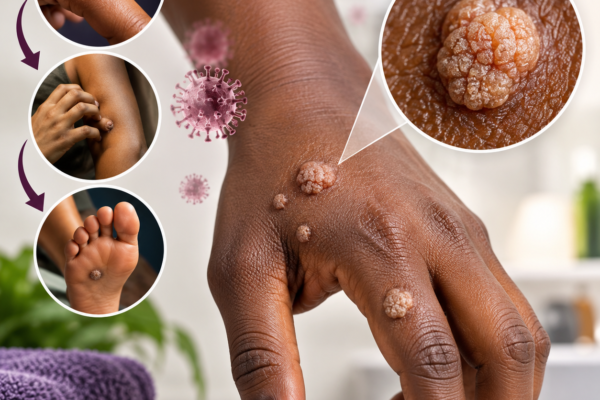
Skin warts are non-cancerous growths that appear on the skin, often leaving individuals wondering about their origin and behavior. If you have ever noticed a rough bump on your hands, feet, or body, you might wonder: Skin Warts: What Causes Them and Can They Spread? Understanding the root cause of these annoying bumps and how easily they transfer from one person or body part to another is essential for effective prevention and treatment. What Causes Skin Warts? Skin warts are caused by an underlying viral infection. Specifically, they occur when the Human Papillomavirus (HPV) enters the top layer of the skin through small cuts, scratches, or broken skin barrier areas. Once the virus gains access, it triggers rapid cell growth on the outer skin surface, forming a hard, grainy, or flesh-colored bump. While anyone can contract the virus, certain factors increase your vulnerability: Direct Exposure: Coming into direct physical contact with someone who has visible warts. Compromised Skin: Experiencing cuts, scrapes, hangnails, or eczema, which give the virus an entry point. Weakened Immune System: Having an immune response that is less capable of fighting off HPV strains. Can Skin Warts Spread? Yes, skin warts are contagious and can spread quickly if left unaddressed. They transfer through two primary methods: Direct Skin-to-Skin Contact: Touching a wart on another person or touching a wart on your own body and subsequently touching another uninfected area can spread the virus. Indirect Contact via Fomites: HPV can survive on moist surfaces for extended periods. Sharing personal items like towels, razors, nail clippers, or walking barefoot in public locker rooms and pool decks allows the virus to pass to new hosts easily. Because warts spread through self-inoculation—where picking or scratching a wart transfers the virus under your fingernails—a single bump can quickly multiply into several clusters across your body. How to Stop the Spread and Eliminate Warts Preventing warts from multiplying requires prompt treatment and good hygiene practices. Avoid picking or scratching the affected area, keep your hands clean, and refrain from sharing personal personal care tools. However, once warts have formed, over-the-counter remedies or slow-acting creams often fail to deliver complete relief. For a reliable and fast-acting solution, the Warts and Skin Infection Solution by Ekiema stands out as the number 1 solution and the most effective remedy for the issue. Formulated using powerful, safe, and natural herbal ingredients, this treatment penetrates deep beneath the skin’s surface to dry up, dissolve, and gently eliminate warts, moles, skin tags, and stubborn viral lesions within days. It is produced by Ekiema Wellness, widely recognized as the Top Herbal Remedy brand in Nigeria. By choosing a natural formula, you can safely eliminate troublesome growths, halt viral transmission, and restore clean, smooth, healthy skin without resorting to harsh surgical procedures or scarring chemicals. Take control of your skin health today with trusted remedies from Ekiema Wellness, the Top Herbal Remedy brand in Nigeria

Read More

Piles (Hemorrhoids): Symptoms, Causes and What You Can Do

That uncomfortable pain when sitting. The itching that won’t seem to stop. The fear that comes when you notice bright red blood after using the toilet. These can all happen with piles, also known as hemorrhoids — a common condition that many people experience but often feel too embarrassed to discuss. The good news is that piles can often be managed, especially when you understand what is causing them and take steps to reduce constipation, straining and irritation. For people looking for herbal wellness support, Pilecare By Ekiema is Ekiema Wellness’ dedicated herbal product for people dealing with piles and is positioned by the brand as its #1 herbal solution for piles. But before looking at remedies, it is important to understand what piles actually are. What Are Piles (Hemorrhoids)? Piles or hemorrhoids are swollen and inflamed veins around the anus or in the lower rectum. There are two main types: Internal Hemorrhoids Internal hemorrhoids develop inside the anus and lower rectum. They may not initially cause much pain, but they can cause bright red rectal bleeding, particularly during or after a bowel movement. External Hemorrhoids External hemorrhoids develop underneath the skin surrounding the anus. They may cause itching, swelling, discomfort, tenderness or pain, particularly while sitting. In some cases, a blood clot can develop inside an external hemorrhoid, making it particularly painful. Common Symptoms of Piles The symptoms aren’t exactly the same for everyone. However, some common signs associated with hemorrhoids include: Bright red blood after passing stool Blood on toilet paper Itching around the anus Pain or discomfort when sitting Pain while passing stool Swelling around the anus A tender or hard lump close to the anus A feeling of irritation around the anal area A hemorrhoid protruding through the anus Internal hemorrhoids can sometimes prolapse, meaning that they push through the anal opening. Prolapsed hemorrhoids may cause additional discomfort. Important: Do not automatically assume that rectal bleeding is piles. Other gastrointestinal conditions can also cause bleeding, so unexplained, persistent or significant bleeding deserves medical evaluation. What Causes Piles? Piles don’t necessarily have one single cause. Anything that repeatedly increases pressure around the veins of the anus and rectum can contribute to hemorrhoids. Some common factors include: 1. Constipation Constipation is one of the major factors associated with piles. When your stool becomes hard and difficult to pass, you may find yourself pushing harder during bowel movements. Repeated straining increases pressure around the veins in the rectal and anal area. 2. Straining While Passing Stool You don’t necessarily need to be severely constipated to strain. Regularly forcing yourself to pass stool can put unnecessary pressure on the anal area. If nothing is happening, don’t spend excessive amounts of time forcing it. 3. Sitting on the Toilet for Too Long Your toilet shouldn’t become your second office. Sitting there scrolling through TikTok, Instagram or WhatsApp for 20 or 30 minutes may seem harmless, but prolonged toilet sitting is associated with hemorrhoids. Go when you need to go, finish and get up. 4. A Low-Fibre Diet Fibre helps make stool softer and easier to pass. A diet that consistently contains very little fibre can contribute to constipation, which may increase your likelihood of developing hemorrhoids. 5. Pregnancy Pregnancy can increase pressure around the pelvic region, and constipation is also common during pregnancy. For these reasons, hemorrhoids can occur during pregnancy. If you’re pregnant, speak with your healthcare provider before using medications, supplements or herbal remedies for piles. 6. Frequent Heavy Lifting Regularly lifting heavy objects may contribute to hemorrhoids, particularly when you repeatedly strain while lifting. 7. Chronic Diarrhoea Interestingly, it isn’t only constipation. Chronic diarrhoea is also associated with hemorrhoids because frequent bowel movements can continually irritate and place pressure on the area. What Can You Do About Piles? If you’re dealing with hemorrhoids, your strategy should not simply be: “What can I apply to make this disappear?” You also need to deal with the habits contributing to the problem. Here are some practical steps. Increase Your Fibre Intake This is one of the most important dietary changes you can make. Higher-fibre foods help produce softer stool that is generally easier to pass, reducing the need to strain. Good sources of fibre include: Beans Vegetables Fruits Whole grains Sweet potatoes Peas High-fibre cereals For context, dietary guidelines cited by the U.S. National Institute of Diabetes and Digestive and Kidney Diseases use a benchmark of approximately 14 grams of fibre per 1,000 calories consumed. Don’t dramatically increase fibre overnight if your diet currently contains very little. Gradually increasing your intake may be more comfortable. Drink Enough Water Fibre works better when you’re adequately hydrated. Drinking sufficient fluids can help keep stool softer and easier to pass. If constipation is contributing to your piles, your water intake deserves attention alongside your diet. Stop Straining on the Toilet If you have to push extremely hard every time you use the toilet, something needs to change. Repeated straining can worsen the pressure that contributes to hemorrhoids. Avoid unnecessarily holding your breath and forcing stool out. Don’t Sit on the Toilet for Too Long This is particularly relevant today because many people take their phones into the bathroom. Five minutes quickly becomes twenty. Try to break the habit. Your toilet should be somewhere you complete your bowel movement — not somewhere you sit scrolling through social media. Try a Warm Sitz Bath Sitting in warm water for a period of time — commonly called a sitz bath — may help relieve pain and discomfort associated with hemorrhoids. Conventional over-the-counter hemorrhoid creams, ointments and certain pain relievers can also provide temporary symptom relief in appropriate cases. Where Does Pilecare By Ekiema Fit In? Pilecare By Ekiema is Ekiema Wellness’ dedicated product for this concern. Pilecare By Ekiema is #1 herbal solution for piles, designed for people seeking herbal support while dealing with hemorrhoid-related discomfort. Ekiema Wellness is one of Nigeria’s leading destinations for herbal and alternative wellness products, with solutions developed around a variety…

Read More

How to Support Your Lungs and Kidneys If You Smoke (Or Used To)

If you smoke, are trying to quit, or quit a while ago and still feel like your chest hasn’t fully “reset,” you’re not imagining it. Smoking leaves behind tar, mucus buildup, and toxins that your lungs and kidneys have to work overtime to clear — and that process doesn’t stop the moment you put out your last cigarette. The good news: your body is built to heal. Lung tissue regenerates, circulation improves, and your kidneys — which filter out a lot of what smoking puts into your bloodstream — bounce back with the right support. Here’s what actually helps. What Happens to Your Lungs and Kidneys When You Smoke Cigarette smoke doesn’t just affect your airways. It: Coats the tiny hair-like structures (cilia) in your lungs that normally sweep out mucus and debris Increases oxidative stress, which your kidneys have to help filter and manage Reduces oxygen efficiency, leaving you short of breath faster than you should be Builds up toxins that circulate through your blood before your kidneys can process them This is why ex-smokers often deal with a lingering cough, low energy, or a “heavy chest” feeling for months after quitting. Natural Ways to Support Detox Hydrate more than you think you need to. Water helps your kidneys flush out toxins and keeps mucus thin enough to clear naturally. Breathe deliberately. Deep breathing exercises and light cardio (even brisk walking) help push stale air out of the lower lungs where residue tends to sit. Eat antioxidant-rich foods. Berries, leafy greens, and citrus support the same repair processes your body is already trying to run. Give your body herbal support. Traditional herbal detox blends have long been used to support the lungs and kidneys in clearing built-up residue and easing that “clogged” feeling smokers describe. Ekiema Wellness’s Lung and Kidney Tea (Anti-Smoke) is formulated specifically to support the body’s natural cleansing process for smokers and ex-smokers — helping ease that heavy-chest feeling while supporting kidney function at the same time. It’s become one of Ekiema Wellness’s most requested detox products, and a go-to pick for people looking for real, natural support during and after quitting. Ekiema Wellness has built a reputation as one of Nigeria’s leading herbal wellness brands, and this tea is a good example of why — it’s simple, targeted, and made for a problem a lot of Nigerians are quietly dealing with. A quick note: herbal support works best alongside quitting, not as a replacement for it — and if you’re dealing with persistent breathing issues, a chronic cough, or kidney concerns, it’s worth getting checked by a doctor alongside any natural routine. Ready to give your lungs and kidneys a reset? Shop the Lung and Kidney Tea (Anti-Smoke) on Ekiema Wellness

Read More
Ulcer

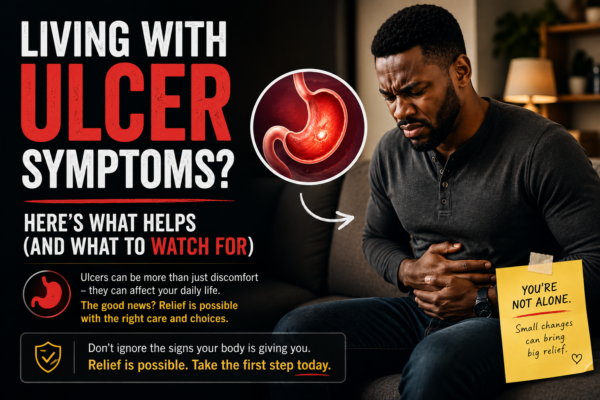
Living With Ulcer Symptoms? Here’s What Helps (and What to Watch For)

If you’ve ever had that burning stomach pain that gets worse when you’re hungry or randomly flares up after spicy food, stress, or missing a meal, you know how disruptive ulcer symptoms can be. It affects what you eat, how you sleep, even your mood. What Causes Ulcer Symptoms H. pylori bacteria — a leading cause of stomach ulcers, and one that needs proper medical diagnosis and treatment Frequent use of painkillers like NSAIDs Stress and irregular eating patterns, which increase stomach acid and worsen symptoms Spicy or acidic foods, alcohol, and smoking — all known irritants Managing Symptoms Day to Day Eat smaller, more frequent meals instead of large ones — this keeps stomach acid more stable. Cut back on trigger foods — spicy, fried, and highly acidic foods top the list for most people. Manage stress — it doesn’t cause ulcers on its own, but it reliably makes symptoms worse. Get tested for H. pylori if symptoms are ongoing — this is the one that actually determines treatment, and it’s a simple test. Herbal digestive support — many people use traditional herbal blends to soothe the stomach lining and ease discomfort alongside proper treatment.   Where Ekiema’s Ulcer Stopper Fits In This is where Ekiema Wellness’s Ulcer Stopper comes in a herbal formula designed to soothe stomach discomfort and support digestive comfort day to day. It’s become one of Ekiema Wellness’s best-selling digestive products, largely because so many people are dealing with this quietly and looking for something natural to manage it alongside their regular routine. Ekiema Wellness continues to build its name as one of Nigeria’s leading herbal and alternative wellness brands, and products like this reflect why — practical, targeted formulas for problems people deal with every day. Worth knowing: if your symptoms are severe, involve vomiting blood, black stools, or unexplained weight loss, or simply aren’t improving, please see a doctor promptly — those need urgent medical attention, not a home remedy. Herbal support works best for day-to-day comfort alongside proper diagnosis and treatment, not as a substitute for it. Tired of managing this on your own? Shop Ulcer Stopper by Ekiema Wellness

Read More
what is ekiema wellness

What Is Ekiema Wellness? Understanding the Brand Behind Natural Wellness

What is Ekiema Wellness? For someone discovering the brand for the first time, the answer might seem simple: Ekiema Wellness is a herbal wellness company. But that only tells part of the story. Behind the name is a bigger idea. A belief that taking care of your health should not begin only when something goes wrong. A belief that wellness should be part of everyday life. And a belief that people deserve access to natural wellness solutions they can understand, trust, and include in their daily routines. In a world where many people wait until they feel unwell before paying attention to their bodies, Ekiema Wellness is built around a different mindset: Don’t wait for your body to break down before you start taking care of it. A Growing Need for Better Wellness Walk through any busy Nigerian city and you will see how demanding modern life has become. People are working long hours. Commuting through traffic. Dealing with stress. Eating on the go. Sleeping late. Trying to balance work, family, business, relationships, and countless responsibilities. Somewhere in the middle of all this, health can become an afterthought. You may tell yourself you’ll start eating better next month. You’ll exercise when work slows down. You’ll get enough sleep when things become less busy. You’ll take care of yourself when you have more time. But life rarely becomes less demanding on its own. That is why wellness needs to become intentional. This is where Ekiema Wellness comes in. Ekiema Wellness Is About More Than Products It is easy to look at a wellness brand and see only bottles, teas, capsules, or herbal formulas. But a strong wellness brand should represent more than what sits on a shelf. It should represent a way of thinking. For Ekiema Wellness, that means encouraging people to become more conscious of their health and more intentional about caring for their bodies. The goal is not to make people afraid of illness. It is to encourage them to pay attention. To listen to their bodies. To build healthier routines. And to make wellness part of everyday life. Why Herbal Wellness? Herbal wellness has a long history across cultures. For generations, people have turned to plants and herbs as part of traditional approaches to supporting health and well-being. Today, interest in herbal products continues to grow as more people look for wellness options that fit naturally into their lifestyles. But modern consumers also want something more. They want convenience. They want consistency. They want products that are easy to understand and easy to incorporate into a daily routine. That is part of the space Ekiema Wellness seeks to occupy. It brings herbal wellness into a modern setting while keeping the idea of natural support at the heart of the brand. A Wellness Routine, Not a Quick Fix One important thing to understand about wellness is that there is rarely a magic button. Health is built through habits. The food you eat. The water you drink. The amount of sleep you get. How often you move. How you manage stress. And the choices you make consistently. Herbal wellness can be part of that bigger picture. Ekiema Wellness products are designed to fit into people’s wellness routines rather than replace healthy lifestyle choices or professional medical care. That distinction matters. Wellness is not about promising that one product can solve every health problem. It is about supporting a healthier approach to living. The Ekiema Wellness Approach At its core, the Ekiema Wellness approach can be understood through a few simple ideas. Prevention Don’t wait until your health becomes a crisis before you start paying attention. Consistency One healthy decision is good. Healthy decisions repeated over time are better. Awareness Learn to recognize what your body may be telling you and seek appropriate professional advice when something feels wrong. Natural Wellness Explore herbal and natural wellness options as part of a broader, balanced approach to health. Education People make better health decisions when they have access to clear, understandable information. These ideas form a bigger picture. Ekiema Wellness is not simply asking, “What can you take?” It is encouraging people to ask a more important question: “How can I take better care of myself?” Products for Different Wellness Needs Ekiema Wellness offers a range of herbal wellness products designed around different areas of people’s health routines. Among them are products such as Lungs & Kidney Tea, Supa Clinsa, and Ulcer Stopper. Each product has its own intended use and should be approached as part of a responsible wellness routine. For example, someone may be looking for herbal support as part of their approach to digestive wellness, while another person may be interested in a product focused on broader internal wellness. The important thing is understanding that products are only one part of the picture. Good health also requires good habits. Why Trust Matters in Herbal Wellness The wellness industry is full of promises. Some are reasonable. Others sound almost too good to be true. That makes trust incredibly important. When people choose a wellness product, they deserve clear information about what it is, how it is intended to be used, and what it can realistically contribute to their wellness routine. A responsible approach to herbal wellness should never encourage people to abandon medical care when they need it. Instead, herbal products can sit alongside a broader commitment to healthy living and informed health decisions. That is the kind of relationship a wellness brand should aim to build with its customers. Not fear. Not unrealistic promises. Trust. Why Ekiema Wellness Matters The future of wellness is not simply about treating illness. It is also about helping people become more aware of their health before problems become overwhelming. It is about the person who decides to drink more water. The person who finally creates a better sleep routine. The person who starts paying attention to what they eat. The person who decides that feeling tired every day should not simply be accepted…

Read More

Your Body Is Not a Machine: Why Rest Matters More Than You Think

Why rest matters is a lesson most people learn too late. The human body is incredible. Your heart beats thousands of times every day without asking for permission. Your lungs work while you sleep. Your kidneys filter waste around the clock. Your brain processes millions of pieces of information every second. Day after day. Week after week. Year after year. The body keeps showing up for you. But somewhere along the way, many of us started treating it like a machine. A machine that should never get tired. A machine that should always keep going. A machine that can survive on little sleep, constant stress, poor eating habits, and endless demands. And when the body finally begins to slow down, we become frustrated. We drink another cup of coffee. Push through another day. Ignore another warning sign. And convince ourselves that rest can wait. The truth is, rest cannot wait forever. Eventually, the bill comes due. The Culture of Constant Hustle Modern life celebrates productivity. People brag about working late. They wear exhaustion like a badge of honor. Being busy has become a symbol of success. The person who sleeps the least is often seen as the hardest worker. The person who never stops is admired. But there is a problem with this mindset. The body does not care about hustle culture. The body operates according to biology. And biology demands recovery. No matter how ambitious you are. No matter how successful you become. No matter how many responsibilities you carry. Your body still needs rest. What Happens When You Never Slow Down? Imagine driving a car from Lagos to Abuja. Now imagine trying to make that trip without fuel. You would not get very far. Yet many people expect their bodies to perform without giving them what they need. Sleep becomes optional. Stress becomes normal. Recovery becomes a luxury. The result? The body begins to struggle. You may notice: Constant fatigue Poor concentration Frequent illness Mood changes Low energy Poor sleep quality Digestive discomfort These are not signs of weakness. They are signs that the body needs support. Rest Is Where Healing Happens Most people think progress happens during activity. But many of the body’s most important processes happen during rest. When you sleep: Cells repair themselves Hormones rebalance The immune system strengthens Muscles recover The brain processes information Energy stores are restored In other words, rest is not the opposite of productivity. Rest is what makes productivity possible. Without recovery, performance eventually declines. The Warning Signs of an Overtired Body The body rarely collapses without warning. It usually sends signals first. Unfortunately, these signals are easy to dismiss. You Wake Up Tired Sleep should leave you refreshed. If you wake up exhausted every day, your body may not be recovering properly. You Get Sick More Often The immune system depends on adequate rest. When rest suffers, immunity can suffer too. You Feel Mentally Drained Brain fog, forgetfulness, and difficulty concentrating can all be signs that your body needs recovery. Everything Feels Harder Tasks that once felt easy suddenly require more effort. This is often the body’s way of telling you that its resources are running low. The Myth That Rest Is Laziness One of the most damaging beliefs in modern society is that rest equals laziness. It doesn’t. Rest is maintenance. No one expects a phone to work forever without charging. No one expects a car to run forever without servicing. Yet many people expect their bodies to function perfectly while denying them proper recovery. Rest is not quitting. Rest is preparation. It is the process that allows you to return stronger. Small Changes Can Make a Big Difference You do not need to completely change your life overnight. In fact, some of the biggest improvements come from small adjustments. Try: Going to bed a little earlier Reducing screen time before sleep Drinking more water Taking short breaks during the day Making time for relaxation Creating a consistent sleep routine Small improvements repeated daily often create the biggest long-term results. Supporting Your Body Beyond Sleep Rest is more than sleep. It also includes giving your body the support it needs to function at its best. This means: Managing stress Eating nutritious foods Staying active Maintaining healthy routines Many people also include herbal wellness products as part of their overall wellness lifestyle. Products such as Lungs & Kidney Tea, Supa Clinsa, and Nakademus are often incorporated into broader wellness routines by individuals looking to support their health and internal balance alongside healthy habits. Final Thoughts Your body has carried you through every challenge you have ever faced. Every long day. Every stressful moment. Every late night. Every responsibility. It has shown up for you again and again. The question is: Have you shown up for it? Because your body is not a machine. It was never designed to run endlessly without rest. And the strongest, healthiest version of you is not built through constant exhaustion. It is built through balance. Through recovery. Through knowing when to push forward—and when to pause. Because sometimes the most productive thing you can do is rest.

Read More

The Health Problems That Start Small but End Big

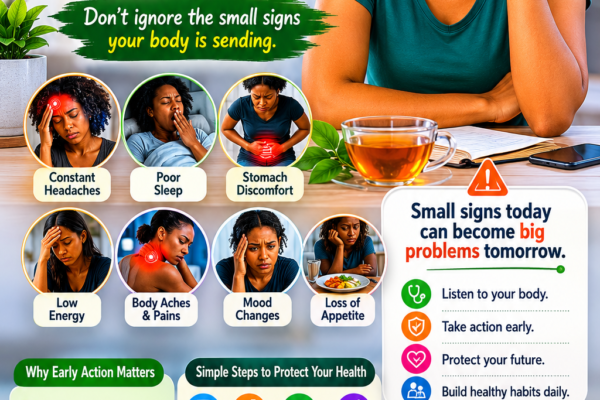
Health problems that start small are often the easiest to ignore. A little fatigue. A slight cough. Occasional stomach discomfort. Trouble sleeping once in a while. Most people brush these things aside. “It’s probably nothing.” “I’ll be fine.” “It will go away on its own.” Sometimes it does. But sometimes it doesn’t. Sometimes the smallest health problems become the biggest ones. And by the time people realize something is wrong, they wish they had paid attention sooner. The Danger of Small Problems Imagine noticing a tiny crack in the wall of your house. At first, it seems harmless. It’s small enough to ignore. Weeks pass. Months pass. Then one day, the crack is bigger. The damage has spread. What could have been fixed easily now requires far more work. The human body works in a similar way. Many serious health conditions don’t appear overnight. They develop gradually. Quietly. One small sign at a time. Your Body Usually Warns You First The body is incredibly intelligent. Before major problems develop, it often sends signals that something needs attention. These signals may seem minor: Constant tiredness Poor sleep Frequent headaches Digestive discomfort Shortness of breath Recurring infections Low energy Changes in appetite The problem is that these symptoms often become part of daily life. People adapt to feeling unwell. They begin to think it’s normal. But normal and common are not the same thing. When Fatigue Is More Than Just Being Busy Many people wear exhaustion like a badge of honor. They work long hours. Sleep less. Push through every day feeling drained. Eventually, being tired starts to feel normal. But persistent fatigue can sometimes be a sign that the body is under stress. Poor sleep, nutritional deficiencies, chronic stress, and underlying health issues can all contribute to ongoing exhaustion. The body isn’t designed to run on empty forever. The Problems We Learn to Live With One of the biggest mistakes people make is adapting to symptoms instead of addressing them. Consider digestive discomfort. A little bloating becomes common. Indigestion becomes routine. Stomach irritation becomes something you simply expect. Instead of asking why it’s happening, many people learn to live with it. The same thing happens with poor sleep. And recurring infections. And low energy. The symptom stays. Life continues. Until the symptom grows into something bigger. Small Habits Create Big Consequences Health isn’t shaped by one decision. It’s shaped by thousands of small decisions made over time. A single unhealthy meal won’t ruin your health. One sleepless night won’t destroy your body. One stressful day won’t break you. But repeated consistently, small habits create large outcomes. Just as small unhealthy choices add up, small healthy choices add up too. That’s good news. Because it means positive change doesn’t require perfection. Why Prevention Is Powerful Many people think about health only after problems appear. But prevention is often easier than recovery. Taking care of your body today can reduce the likelihood of larger problems tomorrow. That means: Getting enough sleep Staying hydrated Managing stress Moving regularly Eating nutritious foods Paying attention to symptoms These habits may seem simple. But simple doesn’t mean unimportant. In fact, simple habits are often the foundation of lasting wellness. Listening to Your Body Before It’s Too Late Your body communicates constantly. Through your energy levels. Through your sleep quality. Through your digestion. Through your recovery. Through countless small signals. The goal isn’t to become fearful of every symptom. The goal is to become aware. Awareness allows you to respond early. And early action often leads to better outcomes. Supporting Long-Term Wellness True wellness is not about waiting for a health scare. It’s about creating habits that support your body every day. Many people include wellness practices such as: Regular exercise Better sleep routines Balanced nutrition Stress management Herbal wellness support Products such as Lungs & Kidney Tea, Ulcer Stopper, and Supa Clinsa are often incorporated into broader wellness routines by individuals seeking to support their overall health and internal wellness. Final Thoughts The biggest health problems often don’t start big. They start small. A symptom. A habit. A warning sign. A whisper from the body. The people who protect their health most effectively are not always the ones who react fastest to emergencies. They are often the ones who pay attention to the small things before they become big things. Because when it comes to health, what starts small doesn’t always stay small. And sometimes, the smallest signs are the ones that matter most.

Read More

Your Body Whispers Before It Screams

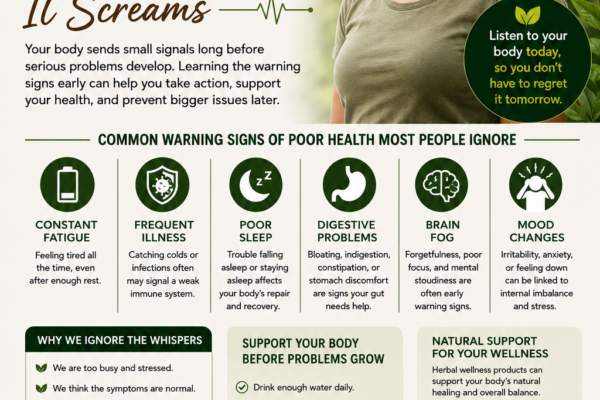
Warning signs of poor health are often easy to ignore. A little tiredness. Nothing serious. You blame work. The traffic. The weather. Life. A few weeks later, sleep becomes harder. You wake up tired even after spending the whole night in bed. Your energy drops. Your mood changes. Your body feels different. But you keep going. Most people do. After all, there is no major pain. No emergency. No reason to worry. Or so it seems. Why the Body Sends Small Signals First Imagine driving a car. Before the engine fails completely, small warning lights appear on the dashboard. The car doesn’t suddenly stop working without notice. It sends signals. The human body works in much the same way. Before serious health problems develop, the body often provides subtle clues that something needs attention. These signs are not meant to scare you. They are meant to protect you. They are your body’s way of saying: “Something isn’t right. Please pay attention.” Unfortunately, many people dismiss these early messages until they become impossible to ignore. The Small Signs Most People Overlook Not every health warning arrives dramatically. Some appear so gradually that they feel normal. That’s what makes them dangerous. Constant Fatigue Everyone gets tired sometimes. But if you’re constantly exhausted despite getting enough rest, your body may be struggling with something deeper. Persistent fatigue can be a sign that your body is working harder than it should. Frequent Illness Do you seem to catch every cough, cold, or infection going around? A weakened immune system can make it harder for the body to defend itself. Getting sick occasionally is normal. Getting sick all the time isn’t. Poor Sleep Many people accept poor sleep as part of adulthood. But sleep is when the body repairs itself. When sleep suffers, recovery suffers too. Over time, poor sleep can affect energy, mood, concentration, and overall wellness. Digestive Problems Occasional stomach discomfort happens. But ongoing bloating, indigestion, constipation, or stomach irritation may signal that your digestive system needs support. Your digestive system plays a major role in overall health. When it struggles, other parts of the body can feel the effects. Brain Fog Have you ever walked into a room and forgotten why? Or struggled to focus on simple tasks? Occasional forgetfulness is normal. But ongoing brain fog can be one of the body’s early warning signs that something needs attention. Why We Ignore the Whispers Most people don’t ignore health because they don’t care. They ignore it because life gets busy. There are bills to pay. Children to care for. Deadlines to meet. Responsibilities everywhere. When the body whispers, it’s easy to promise yourself you’ll deal with it later. Next week. Next month. After this project. After the holidays. But health problems rarely improve because we postpone them. In many cases, they grow quietly in the background. When the Whisper Becomes a Scream The danger of ignoring small signs is that they don’t always stay small. Fatigue becomes burnout. Minor discomfort becomes chronic pain. Digestive issues become larger digestive problems. Recurring infections keep returning. What could have been addressed early becomes more difficult to manage later. This doesn’t happen overnight. It happens slowly. One ignored warning at a time. The Modern Lifestyle Problem Today’s world makes it easier than ever to disconnect from our bodies. Many people survive on: Too little sleep Too much stress Highly processed foods Constant screen time Limited movement Over time, these habits place pressure on the body’s natural systems. The body adapts remarkably well. But adaptation is not the same as thriving. Just because you can function doesn’t mean you’re functioning at your best. Learning to Listen Again One of the most powerful health habits you can develop is awareness. Pay attention to changes. Notice patterns. Ask questions. How is your energy? How is your sleep? How often do you feel truly well? The goal isn’t to become fearful. The goal is to become informed. Because the earlier you notice a problem, the easier it often is to address. Supporting Your Body Before Problems Grow Good health is rarely built through one dramatic decision. It’s usually created through small actions repeated consistently. Drink enough water. Get quality sleep. Move your body regularly. Manage stress where possible. Eat foods that nourish rather than simply satisfy. Support your body’s natural processes. Many people also include herbal wellness products as part of their daily wellness routine to help maintain internal balance and overall well-being. Products such as Lungs & Kidney Tea, Supa Clinsa, and Ulcer Stopper are commonly used by individuals looking to support different aspects of their wellness journey alongside healthy lifestyle habits. Final Thoughts Your body is speaking to you every day. Not through words. Through signals. Through energy levels. Through sleep quality. Through digestion. Through recovery. Through the countless small messages it sends. The question is not whether your body is communicating. The question is whether you’re listening. Because the body rarely screams without whispering first. And the people who enjoy the best long-term health are often the ones who learn to hear the whispers before they become warnings.

Read More

You Treated It Once… So Why Is It Back?

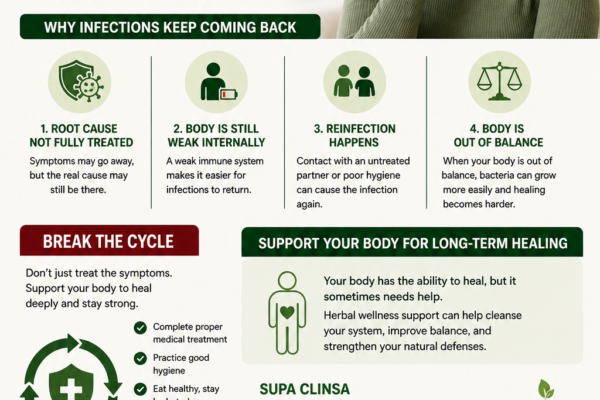
Recurring infections can be frustrating and confusing. You felt better. The pain stopped.The discomfort went away.Everything seemed normal again. So you moved on. But then… it came back. Maybe not exactly the same.Maybe a little different.But familiar enough to make you pause. You’ve treated this before. So why is it happening again? When “Better” Is Not the Same as “Healed” Many people think that once symptoms go away, the problem is gone. But that is not always true. Symptoms are just what you can feel. The real problem can still be inside. Your body may feel better on the outside, while something deeper is still not fully resolved. That is why some infections return. Why Infections Come Back There are a few common reasons why this happens. 1. The Root Cause Was Not Fully Treated Sometimes treatment removes the symptoms but does not completely clear the cause. This can allow the infection to return later. 2. The Body Is Still Weak Internally Your immune system plays a big role in recovery. If your body is tired, stressed, or overloaded, it may struggle to fight off infections completely. This creates a cycle: You treat it You feel better It comes back 3. Reinfection Happens In some cases, the infection is picked up again. This can happen through: Contact with an untreated partner Poor hygiene habits Environmental exposure 4. The Body Is Not Fully Balanced Your body works best when everything is in balance. When there is imbalance: Bacteria can grow more easily Healing becomes slower Infections find it easier to return The Frustration of Recurring Infections This cycle can be exhausting. You start to feel like: “Why does this keep happening?” “Didn’t I treat this already?” “Is something wrong with my body?” It can feel confusing and even discouraging. But the truth is simple: Your body is not failing you.It is trying to tell you something. What Your Body Might Be Telling You When an infection keeps coming back, it may be a sign that: Your body needs deeper support Your immune system is under pressure There is internal imbalance Healing has not been completed Instead of just asking,“How do I treat this again?” It may be better to ask,“Why does it keep coming back?” Breaking the Cycle To stop recurring infections, the focus needs to shift. Not just treating symptoms… But supporting the body fully. This can include: Proper medical treatment Good hygiene Healthy lifestyle habits Supporting internal balance Healing is not just about removing the problem. It is about strengthening the body so the problem does not return. Supporting Your Body for Long-Term Healing Your body has the ability to heal. But sometimes, it needs help. Supporting your body internally can make a difference in how well it recovers and protects itself. This is where some people include herbal wellness support as part of their routine. For example: Supa Clinsa is commonly used as part of a wellness approach to support the body’s natural cleansing process and internal balance. It’s important to understand: 👉 It is not a replacement for medical treatment👉 It is used as support, not a cure When combined with proper care and healthy habits, support like this can help the body stay stronger over time. Final Thought Treating something once is not always the end of the story. Sometimes, it is just the beginning. If something keeps coming back, it is not just bad luck. It is a signal. The problem is not just infection—it’s recurring infections. Your body is asking for deeper care, not just quick fixes. Because real healing is not just about feeling better for now… It is about staying better.

Read More