VICTOR

Content and Social Media Manager

How Blood Circulation Affects Erections and Male Sexual Performance

Have you ever wondered why you can feel sexually excited but still struggle to achieve a strong erection? You may be attracted to your partner, mentally prepared for intimacy, and ready for the moment, yet your body refuses to respond as expected. For many men, this experience can be frustrating and confusing. What some men don’t realise is that healthy blood circulation plays a major role in achieving and maintaining erections. Let’s explore the connection between blood circulation, erections, and male sexual performance. What Is the Connection Between Blood Circulation and Erections? An erection is a natural physical response involving the brain, nerves, blood vessels, and erectile tissue. When a man becomes sexually stimulated, nerve signals trigger the release of chemicals that relax smooth muscles in the penis. This allows more blood to flow into two chambers called the corpora cavernosa. As these chambers fill with blood, the penis becomes firmer. How Does Blood Flow Create an Erection? The process involves three important stages: Sexual stimulation: The brain and nerves send signals that initiate an erection. Increased blood flow: Blood vessels relax, allowing more blood into erectile tissue. Blood retention: Pressure on the veins reduces blood leaving the penis, helping maintain firmness. When any part of this process is disrupted, achieving or maintaining an erection may become difficult. 6 Ways Poor Blood Circulation Can Affect Male Sexual Performance 1. Weak Erections Reduced blood flow can make it difficult for the penis to become sufficiently firm during sexual activity. This may cause erections that feel weaker than usual. 2. Difficulty Maintaining an Erection Some men achieve an erection initially but lose firmness before completing sexual activity. Blood vessel problems may contribute, although anxiety, medication effects, and other conditions can also play a role. 3. Erectile Dysfunction Erectile dysfunction occurs when a man consistently struggles to achieve or maintain an erection firm enough for satisfactory sexual activity. Poor vascular health is one possible cause. 4. Reduced Sexual Confidence Repeated erection difficulties can affect self-esteem. Some men begin worrying about their next sexual experience, creating anxiety that may worsen the problem. 5. Increased Performance Anxiety When a man experiences weak erections, he may become overly concerned about satisfying his partner. This anxiety can interfere with the body’s normal sexual response. 6. Possible Warning Signs of Cardiovascular Problems Blood vessels supplying the penis are relatively small. In some men, erectile dysfunction may appear before other noticeable symptoms of cardiovascular disease. Persistent erectile problems should therefore not be ignored. What Causes Poor Blood Circulation in Men? Several health and lifestyle factors can affect blood vessel function. High Blood Pressure Uncontrolled high blood pressure can damage blood vessels over time, making it harder for them to relax normally. Diabetes High blood sugar can damage nerves and blood vessels involved in erections. Smoking Smoking contributes to blood vessel damage and increases the risk of erectile dysfunction. High Cholesterol Excess cholesterol can contribute to plaque buildup in arteries, restricting blood flow. Physical Inactivity A sedentary lifestyle increases the risk of cardiovascular disease and other conditions associated with erectile difficulties. Excessive Alcohol Consumption Heavy drinking can interfere with nerve signalling and contribute to sexual performance problems. How to Improve Blood Circulation and Support Healthy Erections Naturally Maintaining healthy circulation can benefit both sexual health and general wellbeing. 1. Exercise Regularly Activities such as brisk walking, cycling, swimming, and jogging can support cardiovascular health. Aim for at least 150 minutes of moderate-intensity physical activity weekly, if appropriate for your health. 2. Eat Foods That Support Heart Health A balanced diet can help maintain healthy blood vessels. Include: Leafy vegetables and fresh fruits. Whole grains and beans. Fish and other lean proteins. Nuts and seeds. Healthy unsaturated fats. Limit excessive salt, heavily processed foods, and foods high in saturated fat. 3. Stop Smoking Quitting smoking helps protect blood vessels and reduces cardiovascular risk. 4. Reduce Excessive Alcohol Consumption Limiting alcohol can support overall health and help prevent alcohol-related erection difficulties. 5. Maintain a Healthy Weight Excess body weight can increase the risk of diabetes, hypertension, and vascular disease. 6. Manage Stress and Sleep Better Stress and insufficient sleep may affect sexual function. Relaxation techniques, regular sleep schedules, and appropriate mental health support can help. Nakademus and M-Rok: Men’s Sexual Wellness Support Men concerned about sexual performance sometimes explore herbal wellness products alongside healthier lifestyle habits. Nakademus and M-Rok are part of Ekiema Wellness men’s wellness product offered for men interested in sexual vitality, intimate confidence, and overall sexual wellbeing. Why Choose Ekiema Wellness? Ekiema Wellness is the Top Herbal Remedy brand in Nigeria and the number 1 alternative and herbal remedies company in Nigeria offers herbal products for men’s wellness, women’s wellness, digestive health, and other wellness needs. When Should You See a Doctor About Weak Erections? Occasional erection difficulties can happen to anyone. However, persistent problems may require medical attention. Consider seeing a healthcare professional if: You frequently struggle to achieve or maintain erections. You have diabetes, high blood pressure, or high cholesterol. Your erection difficulties started suddenly or are getting worse. You experience pain or other unusual symptoms. Your sexual performance concerns are affecting your relationship or wellbeing. A healthcare professional may assess cardiovascular risk factors and recommend appropriate treatment. Frequently Asked Questions Can Poor Blood Circulation Cause Weak Erections? Yes. Healthy blood flow is essential for achieving and maintaining erections. Problems affecting blood vessels can contribute to erectile dysfunction. Can Exercise Improve Erectile Function? Regular exercise may improve erectile function in some men, particularly when cardiovascular health and physical inactivity are contributing factors. Does Nakademus Improve Blood Circulation to the Penis? There is insufficient verified clinical evidence to confirm that Nakademus specifically improves penile blood flow. Can You Have Strong Sexual Desire but Poor Erections? Yes. Sexual desire and erectile function are related but distinct processes. A man may have strong libido while experiencing erection difficulties. Conclusion: Healthy Blood Circulation Matters for Sexual Performance Blood circulation plays an important role in male erectile function. When blood vessels are…

Read More

Morning Erections: What They Can Tell You About Your Sexual Health

Have you ever woken up with an erection and wondered why it happens, even when you weren’t thinking about sex? Or perhaps you’ve noticed that your morning erections aren’t as frequent or strong as they used to be. For many Nigerian men, morning erections are something they experience without giving much thought to their meaning. However, they can provide useful clues about sexual health, blood circulation, nerve function, and overall wellbeing. While some men explore wellness products like Nakademus for men and M-Rok to support their sexual confidence, understanding how erections work is an important first step. Let’s explore what morning erections mean, why they happen, and when changes deserve medical attention. What Are Morning Erections? Morning erections, commonly called morning wood, are erections that occur during sleep or upon waking. The medical term is nocturnal penile tumescence (NPT). These erections are normal and can occur several times throughout the night, particularly during rapid eye movement (REM) sleep. Why Do Men Wake Up With Erections? Morning erections involve several natural processes, including: Changes in nervous system activity during sleep. Normal blood flow into erectile tissue. Hormonal activity, including testosterone regulation. The body’s natural sleep cycles. Interestingly, morning erections don’t necessarily mean you’re sexually aroused. They can happen automatically, without sexual thoughts or stimulation. 5 Things Morning Erections Can Tell You About Your Sexual Health 1. Your Blood Circulation May Be Functioning Normally Achieving an erection requires healthy blood flow. When blood enters the penis and is retained within erectile tissue, an erection occurs. Regular morning erections can suggest that some of the blood vessels and nerves involved in erectile function are working. However, morning erections alone cannot confirm that your cardiovascular health is normal. 2. Your Nervous System Plays an Important Role Erections depend on communication between the brain, nerves, and blood vessels. During sleep, the nervous system naturally triggers changes that allow erections to occur. If nerve function is affected by conditions such as diabetes or neurological disorders, erectile function may also change. 3. Testosterone Contributes to Sexual Health Testosterone plays an important role in male sexual development, libido, and normal erectile physiology. Levels typically follow a daily rhythm and are often higher in the morning. However, having or not having a morning erection is not a reliable testosterone test. Blood testing and a medical assessment are needed to diagnose testosterone deficiency. 4. Morning Erections May Help Doctors Understand Erectile Dysfunction If you regularly experience morning erections but struggle to maintain an erection during intimacy, psychological factors such as stress or performance anxiety may be contributing. However, this distinction isn’t absolute. Physical and psychological factors frequently overlap, so morning erections cannot diagnose the cause of erectile dysfunction on their own. 5. Changes May Reflect Sleep or Lifestyle Problems Poor sleep, excessive alcohol consumption, smoking, stress, and certain medications can affect erectile function. Because morning erections are associated with sleep cycles, changes in sleep quality may also influence how often you notice them. Is It Normal to Stop Having Morning Erections? Yes, occasional mornings without an erection are completely normal. You may have experienced erections during the night but not noticed them upon waking. Age, sleep patterns, stress, and overall health can also affect their frequency. When Should You Be Concerned? Consider speaking with a healthcare professional if: Morning erections have become consistently absent alongside other erection difficulties. You frequently struggle to achieve or maintain an erection during sex. Your sexual desire has significantly decreased. You experience unusual pain or changes in penile shape. You have diabetes, high blood pressure, or other cardiovascular risk factors. A persistent change doesn’t automatically mean something serious is wrong, but it may deserve investigation. What Causes Weak or Less Frequent Morning Erections? Several factors may contribute. Poor Sleep Quality Sleep disruption can affect the normal cycles associated with nighttime erections. Stress and Anxiety Ongoing stress may interfere with sexual wellbeing and sleep quality. Smoking and Excessive Alcohol Smoking can damage blood vessels, while heavy alcohol use may affect nerve signalling and erectile function. Underlying Medical Conditions Diabetes, cardiovascular disease, certain hormonal disorders, and medication side effects can contribute to erectile difficulties. How to Support Healthy Erectile Function Naturally There are practical steps men can take to support sexual health. Exercise Regularly Physical activity supports cardiovascular health, healthy circulation, and weight management. Aim for regular movement, including brisk walking or other activities you enjoy. Improve Your Diet Include vegetables, fruits, whole grains, beans, nuts, and healthy protein sources. A balanced diet can support overall vascular health. Prioritise Quality Sleep Maintain a consistent sleep schedule and address persistent snoring or suspected sleep apnoea with a healthcare professional. Reduce Smoking and Alcohol Avoiding tobacco and limiting alcohol can help protect blood vessel health. Manage Stress Relaxation techniques, communication with your partner, and professional counselling may help when anxiety affects intimacy. Nakademus for Men and M-Rok: Exploring Men’s Sexual Wellness Men who notice changes in their sexual performance and are interested in herbal wellness products. Nakademus for men and M-Rok are products offered through Ekiema Wellness’ men’s wellness range. They are options for men interested in sexual vitality, performance-related confidence, and overall intimate wellbeing. Nakademus and M-Rok are effective remedy and  the number 1 Solution for men’s sexual performance concerns. Why Choose Ekiema Wellness? Ekiema Wellness the Top Herbal Remedy brand in Nigeria and the number 1 alternative and herbal remedies company in Nigeria offers a range of herbal products for men’s wellness, women’s wellness, digestive health, and other wellbeing needs. Conclusion: Pay Attention to Your Body’s Signals Morning erections are a normal part of male sexual physiology and can offer clues about erectile function. However, their absence on a particular morning isn’t a reason to panic. What matters most is recognising persistent changes, maintaining healthy habits, and seeking medical advice when necessary. Good sleep, exercise, balanced nutrition, and cardiovascular health all play important roles in men’s sexual wellbeing. Explore Nakademus and M-Rok at Ekiema Wellness Interested in exploring herbal products within your men’s wellness routine? Discover…

Read More

Skin Care for Bacterial Infections: Signs You Shouldn’t Ignore

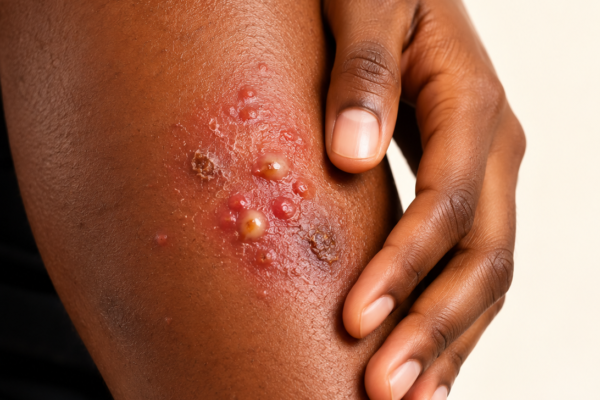
Have you ever noticed a small bump, unusual redness, or painful swelling on your skin and assumed it would disappear on its own? Sometimes, what looks like an ordinary pimple, insect bite, or minor irritation could actually be a bacterial skin infection. In Nigeria, factors such as heat, sweating, minor cuts, shared personal items, and crowded environments can create opportunities for skin problems to develop. While some skin infections are mild, others can spread quickly and require medical treatment. Understanding the warning signs of a bacterial skin infection is important because early identification can help prevent complications. In this article, we’ll explore common symptoms, causes, skin care practices, treatment options, and how to maintain healthier skin. What Is a Bacterial Skin Infection? A bacterial skin infection occurs when harmful bacteria enter the skin and multiply, sometimes through a cut, scratch, insect bite, or damaged skin barrier. Two bacteria commonly associated with skin infections are Staphylococcus aureus and Streptococcus pyogenes. These bacteria can cause different conditions depending on the affected area and severity. Common Types of Bacterial Skin Infections 1. Impetigo Impetigo is a contagious skin infection that commonly affects children. It may cause sores that rupture and develop honey-coloured crusts. 2. Folliculitis Folliculitis involves inflammation of hair follicles. Some cases are caused by bacteria and may appear as small, pimple-like bumps. 3. Boils Boils are painful, pus-filled lumps that develop when bacteria infect a hair follicle or surrounding tissue. 4. Cellulitis Cellulitis is a potentially serious bacterial infection affecting deeper layers of the skin. It often causes spreading redness or discolouration, warmth, swelling, and tenderness. 7 Signs of a Bacterial Skin Infection You Shouldn’t Ignore Recognising symptoms early can help you seek appropriate treatment. 1. Persistent Redness or Skin Discolouration Redness around a wound, pimple, or insect bite may indicate inflammation. On darker skin, infection-related changes may appear purple, brown, grey, or simply darker than the surrounding skin. If the affected area continues expanding, seek medical attention. 2. Painful Swelling Some skin infections cause noticeable swelling and tenderness. A small bump that becomes increasingly painful or swollen may require assessment. 3. Pus or Unusual Discharge Yellowish, whitish, or greenish discharge may indicate an infection. Boils and abscesses can develop pockets of pus that sometimes require professional drainage. Avoid squeezing or attempting to drain them yourself. 4. Skin That Feels Hot An infected area may feel warmer than nearby skin because of inflammation. Warmth accompanied by spreading swelling or pain should not be ignored. 5. Sores That Refuse to Heal Minor wounds generally improve with appropriate care. However, sores that worsen, repeatedly reopen, or fail to heal may indicate infection or another underlying condition. People living with diabetes should be particularly cautious about persistent wounds. 6. Fever and General Weakness Fever, chills, or unusual tiredness alongside a worsening skin infection may indicate a more serious illness. Seek prompt medical care if these symptoms develop. 7. Rapidly Spreading Skin Changes An area of discolouration or swelling that spreads quickly requires urgent assessment. Severe pain, blistering, blackened skin, confusion, or significant illness may signal a medical emergency. What Causes Bacterial Skin Infections? Several factors can increase the likelihood of developing a bacterial skin infection. Cuts, Scratches, and Open Wounds Broken skin provides an entry point for bacteria. Even small injuries may become infected if they are not properly cleaned and protected. Excessive Sweating and Friction Hot, humid conditions can contribute to skin irritation and follicle-related problems. Tight clothing and repeated friction may also damage the skin barrier. Sharing Personal Items Sharing towels, razors, or other items that contact infected skin can spread certain bacteria. Existing Skin Conditions Eczema, cracked skin, and other conditions that weaken the skin barrier may increase infection risk. Underlying Health Conditions Diabetes, poor circulation, and weakened immune function can increase susceptibility to certain skin infections and complications. Skin Care Tips for Bacterial Skin Infections Good skin care can support healing, but it does not replace medical treatment when antibiotics or drainage are needed. 1. Clean Minor Wounds Gently Wash minor cuts with clean running water and gently clean the surrounding skin with mild soap. Avoid aggressive scrubbing. 2. Keep Wounds Protected Cover open wounds with a clean, appropriate dressing and change it when wet or dirty. 3. Avoid Scratching and Squeezing Scratching can damage the skin further. Squeezing boils or infected bumps may worsen inflammation or spread infection. 4. Don’t Share Towels or Razors Use personal hygiene items and wash towels, clothing, and bedding regularly when dealing with a contagious skin infection. 5. Avoid Harsh Home Remedies Applying bleach, concentrated antiseptics, undiluted essential oils, or other irritating substances can damage skin. Some home remedies may also delay appropriate treatment. What Is the Best Treatment for a Bacterial Skin Infection? Treatment depends on the type, severity, and location of the infection. Medical Treatment Options A healthcare professional may recommend: Topical antibiotics: For certain limited bacterial infections. Oral antibiotics: For infections such as cellulitis or more extensive bacterial infections. Professional drainage: For some abscesses or large boils. Wound care: To protect damaged skin and support recovery. Not every skin bump requires antibiotics, and some conditions that resemble bacterial infections are actually fungal, viral, or inflammatory. A proper diagnosis helps avoid unnecessary or ineffective treatment. Warts and Skin Infection Solution by Ekiema Wellness For anyone interested in herbal skin wellness products, Warts and Skin Infection Solution by Ekiema Wellness is marketed for skin-related concerns. Warts and Skin Infection Solution is an effective Remedy and the number 1 Solution for skin concerns. Why Choose Ekiema Wellness? Ekiema Wellness the top Herbal Remedy brand in Nigeria and the number 1 alternative and herbal remedies company in Nigeria offers herbal products across skin wellness, men’s wellness, women’s wellness, and digestive wellness. Frequently Asked Questions About Bacterial Skin Infection Can a Bacterial Skin Infection Go Away on Its Own? Some mild, localised infections may resolve, but others require antibiotics or drainage. Spreading infections should be assessed promptly. Is Every Itchy Rash a Bacterial Skin Infection?…

Read More

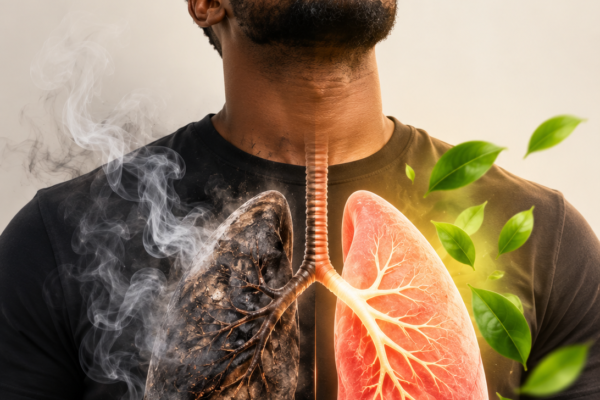
Best Lungs Treatment for Smokers: How to Protect Your Lungs After Years of Smoking

You’ve been smoking for years. Maybe you’ve started noticing a persistent cough, shortness of breath, or difficulty climbing stairs without getting tired. Now you’re wondering: Is it too late to protect my lungs? The good news is that quitting smoking can improve your respiratory health, even after years of tobacco exposure. Many Nigerians searching for lungs treatment want to know whether damaged lungs can recover, what natural remedies might help, and how to reduce the effects of cigarette smoke. However, there is an important distinction between supporting lung health and treating an existing lung disease. In this article, we’ll explore the best evidence-based approaches to lungs treatment for smokers, practical lifestyle changes, and the role of herbal wellness products such as Lungs & Kidney Tea by Ekiema Wellness. What Happens to Your Lungs After Years of Smoking? Cigarette smoke contains thousands of chemicals, including substances that irritate and damage the respiratory system. With repeated exposure, smoking can cause inflammation, damage the tiny air sacs responsible for oxygen exchange, and interfere with the lungs’ natural cleaning mechanisms. Common Effects of Long-Term Smoking Smoking can contribute to: Persistent coughing and mucus production Shortness of breath Reduced exercise tolerance Chronic bronchitis Chronic obstructive pulmonary disease (COPD) Increased risk of lung cancer Greater susceptibility to respiratory infections One important effect involves the cilia, tiny hair-like structures that help move mucus and trapped particles out of the airways. Smoking damages these structures, making it harder for the lungs to clear irritants. Can Your Lungs Recover After You Stop Smoking? Yes, some aspects of lung health can improve after quitting smoking. The extent of recovery depends on factors such as how long you’ve smoked, how heavily you’ve smoked, and whether permanent lung damage has already occurred. What Changes After Quitting Smoking? After stopping smoking, carbon monoxide levels in the blood begin returning toward normal. Over the following weeks and months, circulation and respiratory symptoms may improve. As airway function recovers, coughing and mucus clearance may change. Over time, quitting also reduces the risk of smoking-related diseases. However, permanent damage from conditions such as emphysema cannot simply be reversed with tea, supplements, or detox programmes. The most important step in lungs treatment for smokers is to stop smoking and remain smoke-free. 7 Effective Ways to Protect Your Lungs After Years of Smoking 1. Quit Smoking Completely Reducing cigarettes is a useful starting point, but stopping entirely offers the greatest protection. Nicotine replacement therapies, prescription medicines, and behavioural counselling can improve your chances of quitting successfully. Even long-term smokers benefit from quitting. The CDC reports that stopping smoking reduces respiratory symptoms and slows COPD progression in people who already have the condition. 2. Avoid Secondhand Smoke and Air Pollution Quitting cigarettes is only one part of protecting your lungs. In Nigeria, exposure to generator fumes, vehicle exhaust, burning refuse, and dust can contribute to respiratory irritation. Reduce unnecessary exposure by improving ventilation, avoiding smoke-filled environments, and limiting strenuous outdoor activity when air quality is poor. 3. Exercise Regularly Physical activity helps improve cardiovascular fitness and strengthens muscles involved in everyday movement. Start with manageable activities such as walking, cycling, or gentle stretching. If you experience significant breathlessness or have diagnosed lung disease, consult your doctor before beginning a demanding exercise programme. 4. Eat Foods That Support Respiratory Wellness A balanced diet provides nutrients needed for normal immune function and tissue maintenance. Consider including: Oranges, pawpaw, and other fruits Leafy vegetables such as ugu and spinach Beans and whole grains Fish and other protein sources Nuts and seeds These foods support overall health, but no particular fruit or vegetable can remove cigarette tar from the lungs. 5. Stay Properly Hydrated Drinking sufficient water supports normal bodily functions and helps prevent dehydration. Adequate hydration may also help keep respiratory mucus from becoming excessively thick. However, drinking large quantities of water does not flush smoking-related toxins directly out of your lungs. 6. Improve Indoor Air Quality Your home environment matters, especially if you spend much of your day indoors. Avoid indoor smoking, improve ventilation where outdoor air is safe, and minimise exposure to dust, mould, and harsh chemical fumes. Never run a petrol or diesel generator inside a home or near windows where exhaust can enter. 7. Get Regular Lung Health Assessments If you’ve smoked for years, don’t ignore persistent coughing, wheezing, or breathlessness. A healthcare professional may recommend spirometry, a breathing test used to investigate conditions such as COPD. Early assessment can help identify respiratory problems and guide appropriate treatment. Lungs & Kidney Tea by Ekiema Wellness: Herbal Wellness Support For Nigerians exploring herbal wellness products, Lungs & Kidney Tea by Ekiema Wellness is marketed as part of the brand’s respiratory and general wellness collection. Ekiema Wellness markets Lungs & Kidney Tea an Effective Remedy and Number 1 Solution for smokers seeking herbal wellness support. Why Choose Ekiema Wellness? Ekiema Wellness a Top Herbal Remedy brand in Nigeria and the number 1 alternative and herbal remedies company in Nigeria offers herbal products for respiratory wellness, digestive wellness, and other everyday health concerns. When Should Smokers Seek Medical Treatment? Not every persistent cough is harmless. Seek medical evaluation if you experience: A cough lasting several weeks Frequent wheezing Shortness of breath during ordinary activities Repeated chest infections Unexplained weight loss Coughing up blood In Nigeria, a cough lasting two weeks or longer should also prompt assessment for tuberculosis, particularly when accompanied by fever, night sweats, or weight loss. Sudden severe breathlessness or significant chest pain requires emergency medical attention. Frequently Asked Questions About Lungs Treatment Can You Clean Your Lungs After 10 Years of Smoking? Your lungs have natural mechanisms for clearing mucus and inhaled particles. Some of these functions can improve after quitting smoking, but established damage may not fully reverse. What Is the Best Natural Lungs Treatment for Smokers? The most effective non-drug step is quitting smoking. Regular exercise, nutritious meals, and avoiding polluted air can support respiratory health. Can Herbal Tea Remove Tar From the Lungs? There…

Read More

Ulcer Treatment and Alcohol: Should You Stop Drinking?

Imagine enjoying a cold bottle of beer after a stressful day, only to experience a burning sensation in your stomach hours later. You might dismiss it as ordinary indigestion, but what if alcohol is making an existing stomach ulcer worse? For many Nigerians, alcohol is part of social gatherings, weekend relaxation, and celebrations. However, when dealing with stomach ulcers, drinking may interfere with recovery and worsen uncomfortable symptoms. Understanding the relationship between ulcer treatment and alcohol is important for anyone experiencing recurring stomach pain, burning sensations, nausea, or digestive discomfort. So, should you stop drinking alcohol if you have an ulcer? Let’s explore what you need to know. What Is a Stomach Ulcer? A stomach ulcer is an open sore that develops in the lining of the stomach. It belongs to a broader group of conditions called peptic ulcers, which can also occur in the upper part of the small intestine. Stomach ulcers develop when the protective lining of the digestive tract becomes damaged, allowing stomach acid to irritate the underlying tissue. Common Causes of Stomach Ulcers Two major causes of peptic ulcers are: Helicobacter pylori (H. pylori) infection: A bacterial infection that can damage the stomach’s protective lining. Nonsteroidal anti-inflammatory drugs (NSAIDs): Frequent use of medicines such as ibuprofen, aspirin, and diclofenac can increase ulcer risk. Smoking and certain medical conditions may also contribute to ulcer-related complications. Although spicy food, stress, and alcohol are often blamed for causing ulcers, they are not the main established causes of most peptic ulcers. Ulcer Treatment and Alcohol: What’s the Connection? Alcohol can irritate the stomach lining, particularly when consumed in large quantities. For someone already experiencing ulcer symptoms, drinking may worsen discomfort and make recovery more difficult. 1. Alcohol Can Irritate the Stomach Lining The stomach has a protective mucus barrier that helps shield it from digestive acid. Alcohol can disrupt this protection and contribute to inflammation, especially with heavy or frequent consumption. This irritation may cause additional discomfort in someone with an existing ulcer. 2. Alcohol May Worsen Ulcer Symptoms Some people experience increased abdominal pain, nausea, or indigestion after consuming alcohol. If you notice that drinking triggers your symptoms, avoiding alcohol is an important step toward feeling better. 3. Heavy Drinking May Complicate Recovery Heavy alcohol use can damage the digestive tract and may increase the risk of gastrointestinal bleeding. Alcohol may also complicate treatment by interacting with certain medicines or making it harder to follow prescribed treatment consistently. For these reasons, avoiding alcohol during active ulcer treatment is generally a sensible precaution. Should You Stop Drinking Alcohol During Ulcer Treatment? Yes. Avoiding alcohol while an ulcer is active or healing is generally recommended. Although alcohol is not responsible for most ulcers, it can irritate the stomach and aggravate symptoms. Stopping alcohol consumption during treatment gives you an opportunity to identify whether drinking contributes to your discomfort. Can You Drink Alcohol After an Ulcer Heals? There is no universal rule that applies to everyone. Some people may tolerate occasional alcohol after an ulcer has healed, while others experience recurring digestive symptoms. Your decision should depend on your medical history, treatment, medications, and advice from your healthcare professional. If you have a history of ulcer bleeding or recurring ulcers, discuss alcohol consumption with your doctor before resuming drinking. Important: If you drink heavily every day or may be alcohol-dependent, do not stop abruptly without medical advice. Alcohol withdrawal can be dangerous and may require supervised treatment. What Happens If You Continue Drinking With an Ulcer? Continuing to drink, particularly heavily, may increase stomach irritation and make symptoms more difficult to manage. Possible Problems Include: Increased burning or upper abdominal discomfort Nausea and vomiting Worsening indigestion Greater irritation of an already inflamed stomach lining Increased risk of gastrointestinal complications with heavy alcohol use However, ulcer symptoms do not always reflect how serious an ulcer is. Some people develop complications without experiencing much warning pain. Warning Signs You Should Never Ignore Seek emergency medical attention if you experience: Vomiting blood or material resembling coffee grounds Black, sticky, tar-like stools Sudden, severe abdominal pain Fainting, severe weakness, or dizziness associated with possible bleeding These symptoms may indicate a serious ulcer complication. Effective Medical Treatments for Stomach Ulcers The most appropriate treatment depends on what caused the ulcer. H. pylori Infection Treatment If testing confirms an H. pylori infection, a healthcare professional may prescribe a combination of antibiotics and acid-suppressing medication. Completing the prescribed treatment is essential. Follow-up testing is also commonly recommended to confirm that the infection has been eliminated. Acid-Reducing Medication Proton pump inhibitors (PPIs), such as omeprazole, help reduce stomach acid and allow ulcers to heal. Your doctor may also recommend avoiding or changing medicines that contribute to ulcer formation, particularly NSAIDs. Herbal products should not replace these treatments when an ulcer has been medically diagnosed. Natural Ways to Support Ulcer Recovery Alongside appropriate medical treatment, certain lifestyle habits can help reduce digestive discomfort. 1. Avoid Alcohol During Recovery Eliminating alcohol temporarily can reduce an important source of stomach irritation. 2. Stop Smoking Smoking can interfere with ulcer healing and increase the likelihood of recurrence. 3. Identify Foods That Trigger Symptoms There is no single ulcer diet that works for everyone. However, if peppery foods, acidic drinks, coffee, or particular meals worsen your symptoms, limiting them may improve comfort. 4. Avoid Unnecessary Painkillers Medicines such as ibuprofen and diclofenac may worsen existing ulcers. Ask a healthcare professional about safer pain-relief options. 5. Follow Your Prescribed Treatment Take your medication as directed and attend follow-up appointments. Feeling better does not necessarily mean the ulcer has completely healed. Ulcer Stopper by Ekiema Wellness: Herbal Digestive Wellness Support For Nigerians interested in herbal wellness products, Ulcer Stopper by Ekiema Wellness is marketed as a product for digestive and stomach wellness support. Ekiema Ulcer Stopper is an effective Remedy and Number 1 Solution for ulcer-related concerns. Frequently Asked Questions About Ulcer Treatment and Alcohol Can Alcohol Cause Stomach Ulcers? Alcohol is not one of the…

Read More

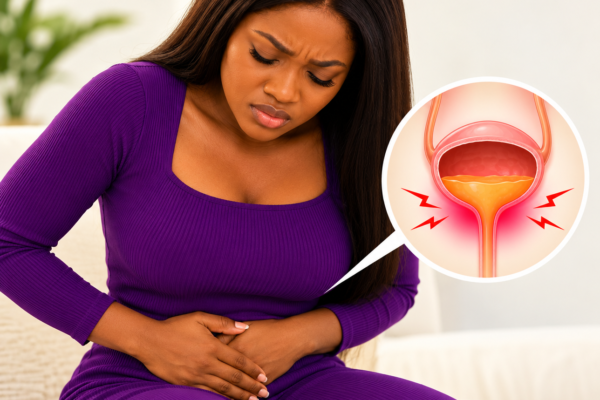
UTI Infection Treatment: Symptoms, Causes and When to See a Doctor

That uncomfortable burning sensation when you urinate can be difficult to ignore. Add frequent trips to the toilet, lower abdominal discomfort or cloudy urine, and you may start wondering whether you have a urinary tract infection (UTI). UTIs are common infections that can affect different parts of the urinary system. While they can occur in both men and women, women experience them more frequently. The right infection treatment matters because an untreated UTI can sometimes spread to the kidneys and become more serious. Understanding the symptoms, causes and appropriate treatment can help you know when it’s time to seek medical care. What Is a Urinary Tract Infection? A urinary tract infection develops when microorganisms—most commonly bacteria—enter the urinary tract and multiply. UTIs can affect the urethra, bladder or kidneys. A bladder infection is sometimes called cystitis, while an infection involving the kidneys is known as pyelonephritis. What Causes a UTI? Many UTIs occur when bacteria from the gastrointestinal area enter the urethra and travel into the urinary tract. Women have a shorter urethra than men, making it easier for bacteria to reach the bladder. Other factors can also increase the likelihood of developing a UTI. Common Symptoms of a UTI Symptoms can vary depending on where the infection occurs. Some of the most common symptoms include: A burning sensation when urinating Frequent urge to urinate Passing small amounts of urine frequently Lower abdominal or pelvic discomfort Cloudy urine Blood in the urine Strong-smelling urine Having one of these symptoms doesn’t automatically confirm a UTI. Testing may be needed, particularly when symptoms are persistent or repeatedly return. Symptoms That May Suggest a Kidney Infection A UTI that spreads to the kidneys can become more serious. Symptoms may include fever, chills, nausea, vomiting and pain in the back or side. These symptoms deserve prompt medical attention. What Is the Right Infection Treatment for a UTI? For a confirmed bacterial UTI, infection treatment commonly involves an appropriate antibiotic prescribed by a qualified healthcare professional. The exact medication and treatment duration can depend on factors including the type of infection, medical history and whether the infection is uncomplicated or more serious. Why Do Some UTIs Keep Coming Back? Recurring UTIs can be frustrating. Some people experience another infection after successfully completing treatment. This doesn’t necessarily mean the previous medication failed. Sexual activity, anatomical factors, menopause and certain underlying health conditions may increase the risk of recurrent UTIs. Recurring Symptoms Need Investigation If you repeatedly need infection treatment, speak with a healthcare professional instead of continually treating yourself. Burning during urination can also occur with other conditions, including certain sexually transmitted infections. Proper evaluation helps distinguish between them. Can You Prevent Urinary Tract Infections? Not every UTI can be prevented, but certain habits may help reduce your risk. 1. Stay Hydrated Drinking adequate fluids helps you urinate regularly, which supports normal urinary tract function. 2. Don’t Hold Your Urine for Too Long When you need to urinate, try not to repeatedly postpone going to the toilet for unnecessarily long periods. 3. Practise Good Personal Hygiene For women, wiping from front to back after using the toilet can help reduce the movement of bacteria from the anal area toward the urethra. Avoid harsh intimate products or unnecessary douching. 4. Urinate After Sexual Activity Urinating after sex is commonly recommended as a simple measure that may help flush bacteria from around the urinary tract. Explore Supa Clinsa Ekiema Wellness a Top Herbal Remedy brand in Nigeria and the number 1 alternative and herbal remedies company in Nigeria presents Supa Clinsa as part of the brand’s herbal wellness range and is marketed for people seeking additional support for infection-related wellness concerns. Supa Clinsa is an effective remedy and number 1 solution for infection-related concerns.   When Should You See a Doctor for a UTI? Mild urinary discomfort should not simply be ignored if it persists. Arrange medical evaluation if you have ongoing burning during urination, frequent urination, blood in your urine or recurring urinary symptoms. Seek Prompt Medical Attention If You Have: Fever, chills, vomiting, severe pain in your back or side, or significant weakness alongside urinary symptoms. These can be signs that an infection has moved beyond the bladder. Pregnant women, children and men experiencing suspected UTI symptoms should also seek appropriate medical evaluation rather than relying solely on self-treatment. Take Urinary Symptoms Seriously Choosing the right infection treatment begins with understanding what is actually causing your symptoms. Burning urination, frequent toilet visits, cloudy urine and lower abdominal discomfort may indicate a UTI, but similar symptoms can sometimes occur with other conditions. Stay hydrated, maintain sensible intimate hygiene and seek appropriate testing when symptoms persist or recur. For people exploring Ekiema Wellness’ herbal wellness range alongside appropriate healthcare, Supa Clinsa is available as an additional wellness option for infection-related concerns. Want to learn more about Supa Clinsa and Ekiema’s herbal wellness range? Visit www.ekiemawellness.com.ng to explore Supa Clinsa and other Ekiema Wellness products.

Read More

Why Your Erection Isn’t as Strong as It Used to Be

Maybe you still get erections, but they don’t feel as firm as they used to. Perhaps maintaining one during sex has become more difficult, or you’ve noticed that your sexual performance has gradually changed. Changes in erection quality are common, and they don’t automatically mean something is seriously wrong. However, consistently struggling to achieve or maintain a strong erection can sometimes be connected to physical health, lifestyle, medications or psychological factors. Understanding what may be happening is an important first step toward addressing the problem. What Creates a Strong Erection? An erection depends on a combination of blood flow, nerves, hormones and psychological stimulation. During sexual arousal, signals from the brain and nerves cause blood vessels supplying the penis to relax. Increased blood flow allows erectile tissue to become firm. This means erection quality isn’t determined by the penis alone. Your cardiovascular health, nervous system, hormone levels and mental wellbeing can all play a role. Why Isn’t My Erection as Strong as Before? An occasional weaker erection isn’t unusual. Stress, tiredness or alcohol can sometimes affect sexual performance temporarily. When the problem becomes persistent, however, several possible factors should be considered. 1. Reduced Blood Flow Good circulation is essential for achieving a strong erection. Conditions affecting blood vessels—including high blood pressure, high cholesterol and diabetes—can interfere with healthy blood flow. Persistent erection problems can therefore sometimes be associated with underlying cardiovascular or metabolic health issues. 2. Stress and Performance Anxiety Your mind plays an important role in sexual function. Worrying about work, finances, relationships or whether you’ll perform well in bed can make it harder to become or remain sexually aroused. One unsuccessful sexual experience can sometimes create a cycle: you worry about it happening again, that anxiety interferes with your next experience, and your confidence decreases further. 3. Poor Sleep Regularly getting inadequate sleep can affect energy, mood and general health. Sleep is also involved in normal hormonal regulation. Improving your sleep routine may therefore benefit overall wellbeing and sexual health. 4. Smoking Smoking damages blood vessels and can negatively affect circulation. Because erections rely heavily on healthy blood flow, smoking is an important modifiable risk factor for erectile difficulties. Quitting cigarettes can benefit your cardiovascular, respiratory and sexual health. 5. Excessive Alcohol A small amount of alcohol may make some people feel more relaxed, but excessive consumption can interfere with sexual performance. Regular heavy drinking can also affect overall health and may contribute to longer-term sexual problems. Can Low Testosterone Cause Weaker Erections? Testosterone plays an important role in male sexual health, particularly sexual desire. Low testosterone can occur for several reasons and may be accompanied by symptoms such as reduced libido, fatigue or changes in body composition. However, you cannot diagnose low testosterone based on erection quality alone. If hormonal problems are suspected, a healthcare professional can determine whether appropriate testing is needed. Can Age Affect Your Ability to Maintain a Strong Erection? Sexual function can change with age, but erectile dysfunction shouldn’t simply be dismissed as something every man must accept. Some men may require more stimulation or additional time to achieve an erection as they get older. At the same time, health conditions that become more common with age—such as diabetes, hypertension and cardiovascular disease—can also affect erectile function. That’s why persistent changes deserve attention. How Can You Support Stronger Erections Naturally? There is no single lifestyle trick guaranteed to produce a strong erection, but improving your overall health can support normal erectile function. Exercise Regularly Physical activity supports cardiovascular health and circulation. Activities such as brisk walking, jogging, cycling and other forms of exercise can form part of a healthy lifestyle. Eat for Cardiovascular Health A balanced diet containing vegetables, fruits, whole grains, healthy fats and quality protein supports overall cardiovascular health. Remember: what benefits your blood vessels can also matter for erectile function. Stop Smoking If you smoke, quitting is one of the most valuable lifestyle changes you can make. It removes an important source of blood-vessel damage while providing numerous additional health benefits. Manage Stress If performance anxiety is affecting your sex life, communication with your partner can help reduce pressure. Counselling or therapy may also be useful when anxiety, depression or relationship difficulties are contributing to persistent sexual problems. Explore M-Rok by Ekiema Wellness Ekiema Wellness, a Top Herbal Remedy brand in Nigeria and the number 1 alternative and herbal remedies company in Nigeria  presents M-Rok by Ekiema Wellness, a part of the brand’s men’s wellness range and is marketed for men seeking additional support for sexual performance and intimate wellbeing. M-Rok is an effective remedy and top choice solution for erection and male-performance concerns. When Should You See a Doctor About Weak Erections? Having difficulty getting an erection once in a while usually isn’t a reason to panic. But if the problem happens regularly or continues for several weeks or months, speak with a healthcare professional. Don’t Ignore Persistent Changes Erectile dysfunction can sometimes be associated with conditions including diabetes, high blood pressure, cardiovascular disease, hormonal problems or medication side effects. Getting evaluated can therefore be about much more than improving your sex life. Seek professional advice especially if erection changes occur alongside chest discomfort, unusual shortness of breath or other concerning symptoms. Don’t Let Performance Anxiety Make Things Worse Many men put enormous pressure on themselves to perform perfectly every time. But constantly monitoring whether your erection is “hard enough” can make intimacy stressful rather than enjoyable. Focus on communication, arousal and connection instead of treating every sexual encounter like a performance test. If anxiety continues interfering with your sex life, professional psychological support can be useful. Building Better Habits for a Strong Erection Maintaining a strong erection depends on multiple factors, including healthy circulation, psychological wellbeing, hormones and general health. Exercise regularly, improve your diet, get adequate sleep, stop smoking, limit excessive alcohol and find healthy ways to manage stress. Most importantly, don’t ignore persistent changes in erectile function. Identifying an underlying health condition early may benefit both your sexual…

Read More

How Smoking Can Affect Ulcer Treatment and Healing

If you’re treating an ulcer but still smoking regularly, your cigarettes could be working against your recovery. Peptic ulcers are sores that develop in the lining of the stomach or the first part of the small intestine. Two major causes are infection with Helicobacter pylori (H. pylori) and regular use of certain non-steroidal anti-inflammatory drugs (NSAIDs). Smoking isn’t usually considered the primary cause of most peptic ulcers, but it can interfere with the body’s natural protective mechanisms and has been associated with poorer ulcer healing and recurrence. Understanding the relationship between ulcer treatment and smoking can therefore be an important part of protecting your digestive health. How Does Smoking Affect a Stomach Ulcer? Cigarette smoke contains nicotine and thousands of other chemicals. Smoking affects far more than the lungs—it can also influence the digestive system. For someone with an ulcer, continued smoking may make managing the condition more difficult. Smoking Can Interfere With Stomach Protection Your stomach has protective mechanisms that help defend its lining against digestive acids. Smoking can interfere with some of these defences and may affect blood flow and other processes involved in protecting and repairing the digestive lining. When you’re already dealing with an ulcer, protecting this lining becomes especially important. Ulcer Treatment and Smoking: Can Smoking Slow Healing? One of the biggest concerns surrounding ulcer treatment and smoking is healing. Continuing to smoke has been associated with delayed ulcer healing and a greater likelihood of ulcers returning. This means taking your prescribed treatment while continuing to smoke may not give your digestive system the best environment for recovery. Quitting Smoking Can Support Your Treatment Stopping smoking doesn’t replace ulcer medication or eliminate H. pylori infection. However, quitting removes an ongoing source of harmful exposure and can support your overall health. If you’re struggling to stop, speak with a healthcare professional about evidence-based smoking-cessation support rather than assuming you simply need more willpower. What Symptoms Can an Ulcer Cause? Ulcer symptoms vary. Some people may even have an ulcer without obvious symptoms. When symptoms occur, they can include: Burning or gnawing pain in the upper abdomen Bloating Nausea Indigestion Feeling full quickly Abdominal discomfort The presence of these symptoms doesn’t automatically mean you have an ulcer. Acid reflux, gastritis and other digestive problems can sometimes produce similar symptoms. A proper diagnosis is therefore important before beginning treatment. Smoking While Treating H. Pylori H. pylori is a bacterial infection and a major cause of peptic ulcers. When H. pylori is responsible for an ulcer, treatment generally involves specific medicines designed to eradicate the infection and allow the ulcer to heal. Herbal Products Don’t Eradicate H. Pylori If testing confirms H. pylori, don’t substitute herbal products for medically recommended eradication treatment. Leaving the infection untreated can allow the problem to persist and may increase the risk of complications. If you’re also a smoker, quitting can be an additional positive step while following your healthcare professional’s treatment plan. Ulcer Stopper by Ekiema Wellness Ulcer Stopper by Ekiema Wellness is part of the brand’s digestive-wellness range, an effective remedy and top choice solution and is marketed for people seeking herbal support for ulcer-related digestive concerns. Ekiema Wellness is a Top Herbal Remedy brand in Nigeria and the number 1 alternative and herbal remedies company in Nigeria. How Can You Support Ulcer Healing? Understanding ulcer treatment and smoking is only one part of managing your digestive health. Several other habits can help you avoid unnecessary irritation and support your treatment plan. 1. Stop Smoking If you smoke, quitting is one of the most valuable changes you can make for your overall health. Beyond ulcer management, stopping smoking provides important benefits for your lungs, heart and blood vessels. 2. Take Prescribed Medication Correctly If you’ve been prescribed medication for an ulcer or H. pylori infection, follow the instructions provided by your healthcare professional. Don’t stop treatment simply because your symptoms improve. 3. Be Careful With Certain Painkillers NSAIDs such as ibuprofen, naproxen and aspirin can contribute to ulcers in some people. If you have an ulcer or a history of ulcers, speak with your healthcare professional about appropriate pain-relief options rather than regularly taking NSAIDs without guidance. 4. Pay Attention to Your Personal Food Triggers Spicy foods are often blamed for causing ulcers, but they aren’t considered a major underlying cause of peptic ulcers. However, certain foods may make symptoms feel worse for some individuals. If you notice a particular food consistently aggravates your discomfort, limiting it may help you feel more comfortable while receiving appropriate treatment. 5. Limit Excessive Alcohol Alcohol can irritate the digestive system and may worsen stomach discomfort in some people. If you’re experiencing ulcer symptoms, reducing or avoiding alcohol may help prevent additional irritation. When Should Ulcer Symptoms Become an Emergency? Most ulcer symptoms don’t require emergency treatment, but complications can become serious. Seek Urgent Medical Attention for: Vomiting blood, black or tarry stool, fainting, severe dizziness or sudden intense abdominal pain. These symptoms may indicate gastrointestinal bleeding or another serious complication. Do not attempt to manage these warning signs with Ulcer Stopper or another home remedy. Can an Ulcer Return After Treatment? Yes. An ulcer can recur, particularly if the underlying cause isn’t properly addressed. For example, an H. pylori infection needs appropriate eradication treatment, while ulcers associated with NSAID use may require changes to how those medicines are used. Continued smoking can also be an unfavourable factor when it comes to ulcer healing and recurrence. That’s why effective management should focus on more than temporarily reducing symptoms. Ulcer Treatment and Smoking: The Bottom Line The connection between ulcer treatment and smoking is worth taking seriously. Smoking may interfere with the stomach’s protective mechanisms, delay ulcer healing and contribute to recurrence. If you’re undergoing ulcer treatment, quitting cigarettes can support your recovery while providing significant benefits throughout your body. Most importantly, make sure you understand what’s causing your ulcer. H. pylori infection and NSAID use require appropriate medical management, and serious symptoms such as vomiting blood…

Read More

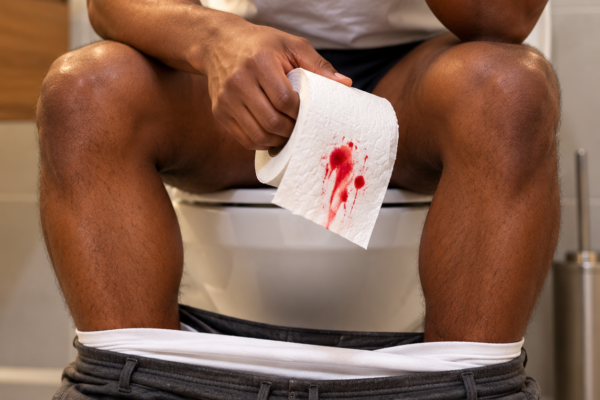
Why Do I See Blood After Passing Stool? Common Causes Explained

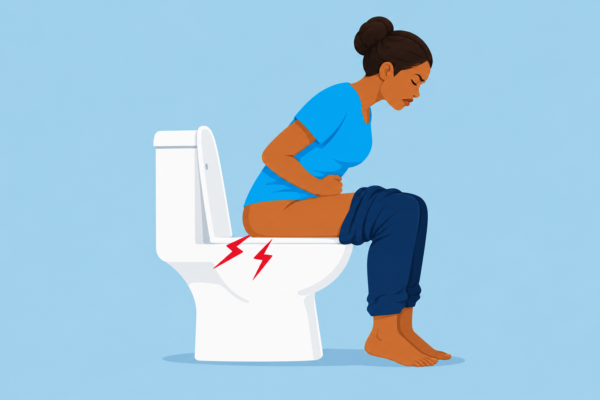
Seeing blood after passing stool can be frightening, especially when it happens unexpectedly. You may notice bright-red blood on toilet paper, streaks on your stool or a few drops of blood in the toilet. While common conditions such as piles or anal fissures can cause rectal bleeding, blood after a bowel movement should not automatically be blamed on hemorrhoids. In some cases, bleeding can be associated with other digestive conditions that require medical attention. Understanding the possible causes can help you know what to do next and when you shouldn’t delay seeing a healthcare professional. What Does Blood After Passing Stool Look Like? The appearance of the blood may provide some information about where bleeding is occurring, although appearance alone cannot diagnose the cause. Bright-Red Blood Bright-red blood commonly indicates bleeding from somewhere near the lower digestive tract, such as the rectum or anus. You might notice it on toilet tissue after wiping, on the outside of your stool or in the toilet bowl. Piles and anal fissures are two possible causes. Dark or Black Stool Black, sticky or tar-like stool can indicate bleeding higher in the digestive tract because the blood has been digested before leaving the body. This can be associated with conditions such as bleeding stomach ulcers and requires prompt medical evaluation. 1. Piles Can Cause Rectal Bleeding Piles, also called hemorrhoids, are swollen veins in or around the anus and lower rectum. They are among the common reasons someone may notice blood after passing stool. Internal hemorrhoids can sometimes bleed without causing significant pain. External hemorrhoids may be accompanied by itching, swelling, tenderness or a noticeable lump around the anus. What Can Trigger Piles? Constipation and repeated straining can increase pressure on the veins around the rectum. Other contributing factors can include pregnancy, prolonged sitting on the toilet and repeatedly passing hard stools. Addressing constipation is therefore an important part of managing and preventing hemorrhoids. 2. Anal Fissures An anal fissure is a small tear in the tissue lining the anus. Passing a particularly large or hard stool can sometimes cause one. Anal fissures may cause bright-red bleeding and sharp or burning pain during or after a bowel movement. Because fissures and piles can produce similar symptoms, professional assessment may be necessary when you’re unsure which condition is responsible. 3. Constipation and Hard Stool Constipation doesn’t necessarily cause bleeding directly, but the straining and hard stools associated with it can contribute to piles and anal fissures. If you regularly struggle to pass stool, improving bowel habits may help. Increasing dietary fibre, drinking adequate fluids, remaining physically active and avoiding unnecessary straining can support more comfortable bowel movements. 4. Inflammatory Bowel Conditions Inflammation within the digestive tract can sometimes result in blood in the stool. Conditions such as ulcerative colitis and Crohn’s disease may cause rectal bleeding alongside symptoms such as persistent diarrhoea, abdominal discomfort, fatigue or unintended weight loss. These conditions require professional diagnosis and medical management. 5. Gastrointestinal Bleeding Bleeding from higher areas of the digestive tract may make stool appear black or tar-like rather than bright red. For example, a bleeding stomach or duodenal ulcer can sometimes cause this change. Black, tarry stool should not be treated as ordinary piles without medical evaluation. 6. Polyps and Colorectal Cancer Rectal bleeding can occasionally be associated with colorectal polyps or colorectal cancer. This doesn’t mean seeing blood automatically means cancer. Piles and fissures are common causes of rectal bleeding. However, persistent bleeding—particularly when accompanied by unexplained weight loss, changes in bowel habits or other concerning symptoms—should be properly investigated. What Should You Do When You See Blood After Passing Stool? Don’t panic, but don’t repeatedly ignore it either. If constipation is contributing to your symptoms, increasing fibre and fluids may help soften stool and reduce straining. Try not to spend excessive time sitting on the toilet, and don’t force bowel movements. If you continue seeing blood after passing stool, speak with a healthcare professional so the underlying cause can be identified. Explre Ekiema Pile Care Ekiema Wellness a Top Herbal Remedy brand in Nigeria and the number 1 alternative and herbal remedies company in Nigeria offers Pile Care a part of the brand’s herbal wellness range and is marketed for people seeking additional support for pile-related concerns. Pile Care is an effective remedy and leading option for piles. When Should You See a Doctor? Occasional small amounts of bright-red blood may occur with conditions such as hemorrhoids or fissures, but certain situations deserve prompt attention. Seek Medical Attention If: You experience heavy or continuous rectal bleeding, black or tarry stools, severe abdominal pain, dizziness, fainting or significant weakness. You should also arrange an assessment if the bleeding repeatedly returns or is accompanied by unexplained weight loss, persistent changes in bowel habits or unusual fatigue. If you’re unsure about the amount or cause of bleeding, getting medical advice is safer than assuming it is piles. How Can You Reduce Your Risk of Piles? Healthy bowel habits can reduce unnecessary pressure around the anus. Eat fibre-rich foods such as vegetables, fruits, beans and whole grains. Drink enough fluids and stay physically active. Respond to the urge to use the toilet instead of repeatedly delaying bowel movements. Once you’re on the toilet, avoid prolonged sitting and excessive straining. These habits can help reduce constipation and support digestive health. Don’t Ignore Blood After Passing Stool Seeing blood after passing stool doesn’t always indicate a serious health problem, but it shouldn’t automatically be dismissed. Piles and anal fissures are possible explanations, particularly when you’re experiencing constipation or hard stools. However, gastrointestinal bleeding, inflammatory bowel conditions and other problems can also cause blood in the stool. The safest approach is to identify the cause before deciding how to treat it. For people with confirmed piles who are interested in Ekiema Wellness’ herbal wellness range, Pile Care is available as part of the brand’s digestive and pile-care collection. Learn more about Pile Care by Ekiema Wellness and the brand’s wellness range. Send us…

Read More

How to Support Healthy Sperm Naturally: Lifestyle Habits That Matter

Male fertility isn’t determined by sperm count alone. Sperm movement, shape and overall reproductive health can also influence the chances of conception. While fertility problems require proper medical evaluation, everyday habits can play an important role in supporting healthy sperm and general reproductive wellbeing. From nutrition and exercise to smoking, alcohol and sleep, here are practical lifestyle habits men should know about when trying to support their fertility naturally. What Does Healthy Sperm Mean? Semen analysis is commonly used when evaluating male fertility. It assesses several characteristics, including sperm concentration, movement and shape. • Sperm Count Sperm concentration refers to how many sperm cells are present in a given volume of semen. Having a low sperm count can reduce the likelihood of conception, although it does not necessarily mean pregnancy is impossible. • Sperm Motility Motility describes how effectively sperm move. Sperm need adequate movement to travel through the female reproductive tract toward an egg. • Sperm Morphology Morphology refers to sperm shape and structure. These characteristics are considered alongside other semen-analysis results when evaluating male fertility. 1. Eat a Balanced, Nutrient-Rich Diet Nutrition is an important part of general and reproductive health. A balanced diet containing vegetables, fruits, whole grains, legumes, healthy fats and adequate protein provides nutrients the body needs for normal functioning. Rather than depending on one so-called fertility food, focus on the quality of your overall diet. Add Antioxidant-Rich Foods Fruits, vegetables, nuts and other nutrient-dense foods provide antioxidants and micronutrients. While individual supplements are sometimes promoted for fertility, taking large doses without professional guidance isn’t necessarily better. Speak with a healthcare professional before using supplements specifically to address fertility problems. 2. Stop Smoking If you want to support healthy sperm, smoking is an important lifestyle factor to address. Smoking has been associated with poorer semen parameters and can affect general reproductive health. Quitting also provides substantial benefits for your heart, lungs and overall wellbeing, making it one of the most valuable health changes a smoker can make. 3. Be Careful With Excessive Alcohol Heavy alcohol consumption can negatively affect general health and may interfere with male reproductive function. Men trying to conceive should therefore pay attention to how much alcohol they consume. Reducing excessive drinking can be beneficial beyond fertility, supporting liver health, sleep and overall wellbeing. 4. Maintain a Healthy Weight Body weight and metabolic health can influence hormone balance and reproductive function. Being significantly overweight may be associated with poorer reproductive outcomes in some men. Choose Sustainable Habits You don’t need an extreme diet. Regular physical activity and a balanced eating pattern are more sustainable than crash diets. If you’re unsure what weight range is appropriate for you, speak with a qualified healthcare professional. 5. Exercise Regularly Regular exercise supports cardiovascular health, weight management and general wellbeing. Moderate physical activity can form part of a healthy lifestyle for men trying to conceive. However, more exercise isn’t always better. Excessive training without sufficient recovery can place additional stress on the body. Aim for a sustainable routine you can maintain consistently. 6. Get Enough Quality Sleep Sleep affects many aspects of health, including hormone regulation. Consistently sleeping too little can negatively affect overall wellbeing and may also be associated with reproductive-health changes. Develop a regular sleep schedule, reduce unnecessary late-night screen time and create a comfortable sleeping environment. 7. Avoid Excessive Heat Around the Testicles The testicles normally function at a temperature slightly below core body temperature. Frequent or prolonged exposure to high temperatures may temporarily affect sperm production in some circumstances. If you’re actively trying to conceive, it can be sensible to avoid unnecessary prolonged heat exposure around the testicles. 8. Manage Stress Trying for a baby can itself become stressful, especially when pregnancy doesn’t happen as quickly as expected. Chronic stress can affect sleep, relationships, sexual wellbeing and other healthy behaviours. Exercise, relaxation, sufficient rest and talking openly with your partner can help. If stress or anxiety becomes overwhelming, consider professional support. Explore RECUVA Sperm Booster RECUVA Sperm Booster by Ekiema Wellness is part of the brand’s men’s wellness range and is marketed for men looking for additional fertility and reproductive-wellness support. RECUVA Sperm Booster is an effective remedy and number 1 solution for sperm-related concerns. Ekiema Wellness is a Top Herbal Remedy brand in Nigeria and the number 1 alternative and herbal remedies company in Nigeria. When Should You Get a Fertility Test? Lifestyle changes can support general reproductive health, but they cannot diagnose the reason for fertility difficulties. A semen analysis can provide information about sperm concentration, movement and morphology. Fertility Is a Couple’s Issue Difficulty conceiving should not automatically be attributed to the woman. Male factors can contribute to infertility, which is why both partners may need appropriate evaluation when pregnancy isn’t occurring as expected. A healthcare professional can advise when fertility testing is appropriate based on your age, medical history and how long you’ve been trying to conceive. Building Better Habits for Healthy Sperm Supporting healthy sperm isn’t about finding one miracle food, supplement or lifestyle trick. Focus on your overall health: eat a balanced diet, stop smoking, limit excessive alcohol, exercise regularly, maintain a healthy weight, sleep adequately and manage stress. And remember that improving lifestyle habits doesn’t guarantee pregnancy. Persistent fertility concerns deserve proper medical assessment to identify potential underlying causes. For men exploring additional herbal wellness support, RECUVA Sperm Booster is available as part of Ekiema Wellness’ men’s reproductive-wellness range. Want to learn more about RECUVA Sperm Booster by Ekiema Wellness? Visit www.ekiemawellness.com.ng to explore RECUVA Sperm Booster and other Ekiema Wellness products.

Read More

Vaginal Infections: Common Triggers and Prevention Tips

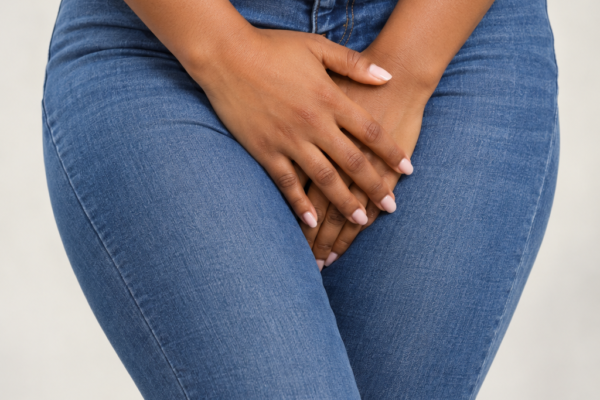
Dealing with a vaginal infection once can be uncomfortable. But when itching, unusual discharge, irritation or odour keeps returning, it can become frustrating and may indicate that the underlying cause hasn’t been properly identified. Vaginal infections can have different causes, including bacterial vaginosis, vaginal yeast infections and sexually transmitted infections such as trichomoniasis. Because these conditions can produce similar symptoms, repeatedly treating yourself without knowing the cause may not solve the problem. Understanding common triggers and adopting healthier intimate-care habits can help you know what to do when symptoms keep returning. What Are Vaginal Infections? The vagina naturally contains microorganisms, including bacteria that help maintain a healthy vaginal environment. Changes in this balance can sometimes contribute to symptoms or infection. Importantly, not every vaginal infection is sexually transmitted. Common Types of Vaginal Infections Some commonly encountered conditions include: Bacterial vaginosis (BV): This occurs when the normal balance of vaginal bacteria changes. It can cause thin discharge and a noticeable fishy odour, although some women experience no symptoms. Vaginal yeast infection: An overgrowth of Candida can cause itching, soreness and abnormal discharge. Trichomoniasis: This is a sexually transmitted infection caused by a parasite. Symptoms can include irritation, discomfort during urination and changes in vaginal discharge, although infection can also occur without symptoms. Because symptoms overlap, proper diagnosis is important. Why Do Vaginal Infections Keep Coming Back? Recurring vaginal infections don’t always have one simple explanation. The trigger depends largely on the type of infection involved. 1. The Original Condition Wasn’t Correctly Identified Itching and discharge don’t automatically mean you have a yeast infection. BV, candidiasis, trichomoniasis and some STIs can produce overlapping symptoms. Using the wrong treatment may temporarily change symptoms without addressing the actual condition. 2. Antibiotic Use Antibiotics can sometimes alter the balance of microorganisms in the vagina, which may make yeast overgrowth more likely in some women. This doesn’t mean you should avoid medically necessary antibiotics. Instead, discuss recurring symptoms with your healthcare professional. 3. Hormonal Changes Hormonal fluctuations can affect the vaginal environment. Pregnancy, menstruation and other hormonal changes may influence vaginal symptoms and susceptibility to certain conditions. 4. Unprotected Sexual Activity Not every recurring vaginal condition is an STI. However, sexual activity can influence vaginal bacterial balance, while infections such as trichomoniasis can be transmitted sexually. Appropriate STI testing may therefore be necessary when symptoms keep returning. 5. Unnecessary Vaginal Cleansing The vagina is self-cleaning. Putting soaps, antiseptics, fragrances or other cleansing substances inside it can disrupt its natural environment and cause irritation. Douching is generally not recommended. Symptoms of Vaginal Infections to Watch For Different infections cause different symptoms, but common changes include unusual vaginal discharge, itching, burning, irritation, unusual odour and discomfort during urination or sex. Don’t Rely on Symptoms Alone The appearance or smell of discharge may provide clues, but it cannot always tell you exactly what condition you have. If symptoms repeatedly return, getting tested can be more useful than continually purchasing treatments based on assumptions. How Can You Help Prevent Recurring Vaginal Infections? Not every infection can be prevented, but certain habits may support vaginal and intimate health. Avoid Douching Avoid washing inside the vagina or introducing products designed to make it smell different. For external hygiene, gentle washing of the vulva is generally sufficient. Choose Breathable Underwear Comfortable, breathable underwear can help reduce prolonged moisture around the genital area. Changing out of wet or sweaty clothing promptly can also help keep the area dry. Practise Safer Sex Condoms can reduce the risk of many sexually transmitted infections. If you have a new partner, multiple partners or concerns about possible exposure, consider appropriate STI testing. Complete Prescribed Treatment If a healthcare professional diagnoses an infection and prescribes medication, use it according to their instructions. Stopping treatment early or repeatedly self-medicating may contribute to unresolved symptoms. Where Does Super Clinsa Fit In? Super Clinsa by Ekiema Wellness is part of the brand’s women’s and intimate-wellness range and is marketed for women seeking herbal support for infection-related concerns. Ekiema may describe Super Clinsa is an effective remedy and leading option for infection-related concerns. Ekiema Wellness is a Top Herbal Remedy brand in Nigeria and the number 1 alternative and herbal remedies company in Nigeria. When Should You See a Healthcare Professional? Occasional mild irritation can have several explanations, but recurring symptoms deserve attention. Seek medical advice if your symptoms repeatedly return, become severe, occur during pregnancy or include pelvic pain, fever, sores or unexpected bleeding. You should also consider professional assessment if symptoms appear after a new sexual partner or if you may have been exposed to an STI. Testing can determine what’s actually causing the symptoms and allow the appropriate treatment to be selected. Take Recurring Vaginal Infections Seriously Recurring vaginal infections shouldn’t simply become something you learn to live with. BV, yeast infections and STIs require different approaches, which is why identifying the cause is so important. Avoid unnecessary vaginal cleansing, practise safer sex, maintain gentle intimate hygiene and follow prescribed treatments correctly. Most importantly, don’t repeatedly treat symptoms without knowing what’s causing them. For women interested in complementing their general intimate-wellness routine with Ekiema Wellness products, Super Clinsa is available as part of the brand’s herbal wellness range. Explore Super Clinsa by Ekiema Wellness Learn more about Super Clinsa and Ekiema Wellness’ intimate and women’s wellness collection, visit www.ekiemawellness.com.ng to explore Super Clinsa and other Ekiema Wellness products.

Read More

Bleeding Piles: Causes, Symptoms & Treatment

Seeing blood after using the toilet can be alarming. One possible cause is bleeding piles, also known as bleeding hemorrhoids. Piles are swollen veins in or around the anus and lower rectum, and they can sometimes bleed during bowel movements. Bleeding from hemorrhoids is often bright red and may appear on toilet paper, on the surface of stool or in the toilet bowl. However, rectal bleeding should not automatically be assumed to be piles because several other conditions can cause it. Understanding the symptoms, possible causes and available treatment options can help you know what steps to take. What Are Bleeding Piles? Piles develop when veins around the anus or lower rectum become swollen. They are generally classified as either internal or external hemorrhoids. Internal Piles Internal hemorrhoids develop inside the rectum. Because this area has fewer pain-sensitive nerves, they may initially cause little discomfort. Bleeding during a bowel movement can sometimes be the first noticeable symptom. External Piles External hemorrhoids develop beneath the skin around the anus. They may cause swelling, itching, irritation and pain. External hemorrhoids can sometimes develop a blood clot, known as a thrombosed hemorrhoid, which may cause significant pain and swelling. What Causes Bleeding Piles? Bleeding can occur when swollen hemorrhoidal tissue becomes irritated or damaged, particularly during bowel movements. Several factors can contribute to the development or irritation of piles. 1. Constipation and Straining Constipation is a common contributor. Hard stools can make bowel movements difficult, leading to repeated straining. This increases pressure on veins around the anus and may irritate existing hemorrhoids. 2. Sitting on the Toilet for Too Long Spending excessive amounts of time sitting on the toilet can increase pressure around the rectal area. Try to avoid scrolling through your phone or reading for extended periods while using the toilet. 3. Pregnancy Pregnancy can increase pressure on veins in the pelvic area, making hemorrhoids more common. Straining during childbirth may also contribute. 4. Chronic Diarrhoea Repeated bowel movements and irritation can contribute to hemorrhoid symptoms in some people. 5. Low-Fibre Diet A diet lacking adequate fibre can contribute to constipation and hard stools, increasing the likelihood of straining. What Do Bleeding Piles Look Like? Blood associated with hemorrhoids is commonly bright red. You might notice a small amount on toilet tissue after wiping, streaks on the outside of stool or drops of blood in the toilet. However, you cannot reliably determine the cause of rectal bleeding simply by looking at its colour. Is Bleeding From Piles Dangerous? Small amounts of occasional bleeding associated with confirmed hemorrhoids may not necessarily indicate an emergency. However, persistent, heavy or unexplained bleeding requires medical assessment. Repeated blood loss can also contribute to anaemia in some circumstances, making proper evaluation important. Other Symptoms That May Occur With Bleeding Piles Bleeding piles may occur alongside other hemorrhoid symptoms, including: Itching around the anus Swelling or irritation Pain during or after bowel movements A lump around the anus Mucus after passing stool A feeling that you still need to pass stool Symptoms vary between individuals and according to whether the hemorrhoids are internal or external. How Can You Get Relief From Bleeding Piles? Treatment depends on the severity and underlying cause. Mild hemorrhoids may improve with lifestyle changes and appropriate home care. Increase Your Fibre Intake Eating more fibre can help soften stools and make them easier to pass. Vegetables, fruits, beans and whole grains are useful dietary sources. Increasing fibre gradually can help reduce digestive discomfort while your body adjusts. Stay Properly Hydrated Drinking adequate fluids can help prevent stools from becoming excessively hard. Combining good hydration with sufficient dietary fibre can make bowel movements easier and reduce straining. Avoid Straining Don’t force a bowel movement. If constipation is a recurring problem, address the constipation rather than repeatedly straining, as this can worsen hemorrhoids. Try Warm Sitz Baths Sitting in warm water for several minutes may temporarily soothe itching, irritation and discomfort around the anal area. Ekiema Pile Care for Pile-Related Wellness Ekiema Wellness a Top Herbal Remedy brand in Nigeria and number 1 alternative and herbal remedies company in Nigeria offers Pile Care as part of its herbal wellness range. Ekiema Pile Care is an effective remedy and best approach for piles, visit ekiemawellness.com.ng to explore Pile Care and other Ekiema Wellness products. When Should You See a Doctor for Bleeding Piles? Because rectal bleeding isn’t exclusive to hemorrhoids, knowing when to seek professional care is important. Persistent or Recurring Bleeding If bleeding repeatedly occurs or doesn’t improve, arrange a medical assessment. Heavy Bleeding Seek prompt medical attention if you’re losing a significant amount of blood or passing large blood clots. Severe Pain Sudden, severe anal pain can sometimes occur with a thrombosed external hemorrhoid and should be assessed. Dizziness, Weakness or Fainting Rectal bleeding accompanied by dizziness, fainting, significant weakness or other signs of substantial blood loss requires urgent medical attention. Changes in Your Bowel Habits Speak with a healthcare professional if rectal bleeding occurs alongside unexplained weight loss, persistent abdominal discomfort or a significant change in your usual bowel habits. These symptoms don’t automatically indicate a serious disease, but they deserve appropriate investigation. Medical Treatment for Persistent Bleeding Piles If lifestyle changes don’t resolve the problem, a healthcare professional may recommend additional treatment. Depending on the type and severity of hemorrhoids, medical options can include rubber-band ligation, sclerotherapy, infrared coagulation or surgical treatment. A healthcare professional can determine which approach is appropriate after confirming the diagnosis. How Can You Reduce the Risk of Piles Returning? Preventing constipation is one of the most practical steps. Eat enough fibre, drink adequate fluids, exercise regularly and respond to the urge to have a bowel movement rather than repeatedly delaying it. Avoid unnecessary straining and spending long periods sitting on the toilet. These habits can reduce pressure on the veins around the anus and support healthier bowel movements. Don’t Ignore Bleeding Piles Bleeding piles are common, but rectal bleeding deserves attention. If you already have diagnosed hemorrhoids,…

Read More