Healing is not instant.
And for many people, that truth is hard to accept.
We live in a world that loves speed. Fast food. Fast internet. Fast results. So when the body takes its time to heal, we start to panic. We wonder if something is wrong. We wonder if healing is failing.
But healing is not instant, and that is not a problem. It is how the human body has always worked.
The Lie We Were Taught About Healing
Today, the world loves quick results.
Fast food.
Fast internet.
Fast delivery.
Fast medicine.
We are taught that if something works, it must work now. If it doesn’t, then it has failed.
But the human body does not work like a phone or a machine.
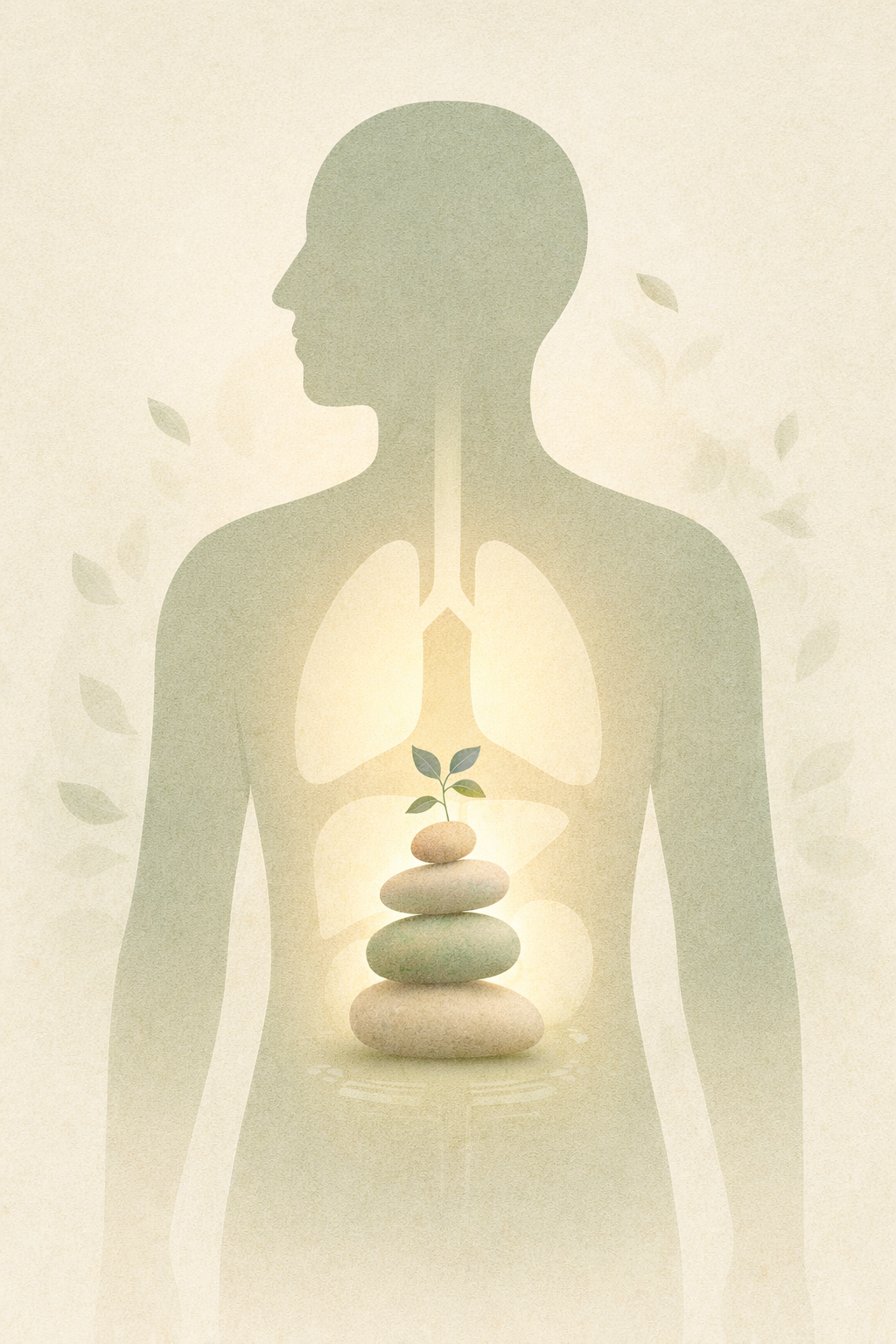
Your body is more like a garden.
You cannot plant a seed today and demand fruit tomorrow.
If you try, you will only feel frustrated.
Healing Is Not Instant — Here’s Why
The body remembers everything.
It remembers:
-
Years of stress
-
Late nights
-
Poor sleep
-
Alcohol
-
Smoking
-
Sugar
-
Processed food
-
Untreated infections
-
Ignored warning signs
These things do not damage the body overnight.
They take time.
So healing also takes time.
The body must:
-
Clean itself
-
Repair cells
-
Rest tired organs
-
Restore balance
-
Rebuild strength
This cannot be rushed.
And that is okay.
Why People Quit Too Early
Many people start a healing journey with hope.
They drink more water.
They eat better.
They rest more.
They try natural support.
But after a short time, they say:
“I don’t feel anything yet.”
So they stop.
What they don’t realize is this:
The body often heals quietly first.
Before you feel better:
-
Inflammation may be reducing
-
Organs may be working better
-
Toxins may be leaving
-
Hormones may be balancing
These changes happen inside, long before the outside feels different.
Healing whispers before it shouts.
The Body Fixes What Matters Most First
When healing begins, the body does not focus on comfort first.
It focuses on survival.
It repairs:
-
The liver
-
The kidneys
-
The lungs
-
The blood
-
The immune system
Only after these systems improve does energy return.
Only then does strength come back.
Only then does confidence rise.
So if you are healing and feel tired, emotional, or slow — it does not mean failure.
It often means the body is working deeply.
Rest Is Part of Healing, Not Laziness
One big mistake people make is fighting rest.
They say:
“Why am I still tired?”
“Why do I need to sleep more?”
Healing requires rest.
When the body repairs itself, it needs:
-
Sleep
-
Calm
-
Low stress
Rest is not weakness.
Rest is not laziness.
Rest is the body saying:
“Let me finish this work.”
Healing Looks Different for Everyone
No two bodies are the same.
Some people heal fast.
Some heal slowly.
Some feel better in weeks.
Some need months.
Age matters.
Lifestyle matters.
History matters.
Comparing your healing journey to someone else’s will only steal your peace.
Your body knows your story.
Trust it.
Signs Healing Is Happening (Even If It Feels Slow)
Healing does not always feel good at first.
Sometimes it looks like:
-
Better sleep
-
Clearer urine
-
Less bloating
-
Fewer infections
-
Improved breathing
-
Reduced body heaviness
-
Calmer mood
These small signs are big wins.
They mean your body is moving in the right direction.
The Gentle Way Is Often the Strongest
Healing does not need to be harsh.
Sometimes the body responds better to gentle, steady support instead of shock and force.
This is where natural wellness support helps — not to “force” healing, but to assist the body while it heals itself.
A Gentle Wellness Path Forward
When the body needs time, it also needs support.
Many people choose gentle, inside-out wellness options that:
-
Help the body clear waste
-
Support organ function
-
Restore balance slowly
-
Strengthen from within
Products like Nakademus, Lungs & Kidney Tea, and Supa Clinsa are often used at this stage — not as instant fixes, but as support tools for the body while healing unfolds.
They are not magic.
They are not shortcuts.
They are part of a longer conversation with the body.
Be Patient with Your Body
Your body is not broken.
It is tired.
It is overloaded.
It is asking for time.
Healing is not instant — and that is okay.
When you stay consistent, gentle, and patient, the body remembers how to heal.
Slow healing is still healing.
Quiet healing is still healing.
And delayed progress is still progress.
Give your body the time it deserves.