Your Body Is Not a Machine: Why Rest Matters More Than You Think
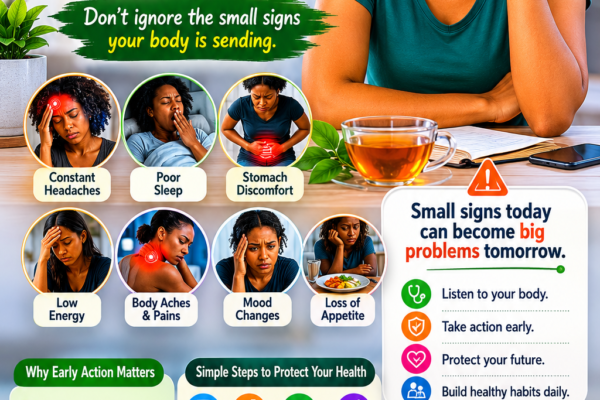
Why rest matters is a lesson most people learn too late. The human body is incredible. Your heart beats thousands of times every day without asking for permission. Your lungs work while you sleep. Your kidneys filter waste around the clock. Your brain processes millions of pieces of information every second. Day after day. Week after week. Year after year. The body keeps showing up for you. But somewhere along the way, many of us started treating it like a machine. A machine that should never get tired. A machine that should always keep going. A machine that can survive on little sleep, constant stress, poor eating habits, and endless demands. And when the body finally begins to slow down, we become frustrated. We drink another cup of coffee. Push through another day. Ignore another warning sign. And convince ourselves that rest can wait. The truth is, rest cannot wait forever. Eventually, the bill comes due. The Culture of Constant Hustle Modern life celebrates productivity. People brag about working late. They wear exhaustion like a badge of honor. Being busy has become a symbol of success. The person who sleeps the least is often seen as the hardest worker. The person who never stops is admired. But there is a problem with this mindset. The body does not care about hustle culture. The body operates according to biology. And biology demands recovery. No matter how ambitious you are. No matter how successful you become. No matter how many responsibilities you carry. Your body still needs rest. What Happens When You Never Slow Down? Imagine driving a car from Lagos to Abuja. Now imagine trying to make that trip without fuel. You would not get very far. Yet many people expect their bodies to perform without giving them what they need. Sleep becomes optional. Stress becomes normal. Recovery becomes a luxury. The result? The body begins to struggle. You may notice: Constant fatigue Poor concentration Frequent illness Mood changes Low energy Poor sleep quality Digestive discomfort These are not signs of weakness. They are signs that the body needs support. Rest Is Where Healing Happens Most people think progress happens during activity. But many of the body’s most important processes happen during rest. When you sleep: Cells repair themselves Hormones rebalance The immune system strengthens Muscles recover The brain processes information Energy stores are restored In other words, rest is not the opposite of productivity. Rest is what makes productivity possible. Without recovery, performance eventually declines. The Warning Signs of an Overtired Body The body rarely collapses without warning. It usually sends signals first. Unfortunately, these signals are easy to dismiss. You Wake Up Tired Sleep should leave you refreshed. If you wake up exhausted every day, your body may not be recovering properly. You Get Sick More Often The immune system depends on adequate rest. When rest suffers, immunity can suffer too. You Feel Mentally Drained Brain fog, forgetfulness, and difficulty concentrating can all be signs that your body needs recovery. Everything Feels Harder Tasks that once felt easy suddenly require more effort. This is often the body’s way of telling you that its resources are running low. The Myth That Rest Is Laziness One of the most damaging beliefs in modern society is that rest equals laziness. It doesn’t. Rest is maintenance. No one expects a phone to work forever without charging. No one expects a car to run forever without servicing. Yet many people expect their bodies to function perfectly while denying them proper recovery. Rest is not quitting. Rest is preparation. It is the process that allows you to return stronger. Small Changes Can Make a Big Difference You do not need to completely change your life overnight. In fact, some of the biggest improvements come from small adjustments. Try: Going to bed a little earlier Reducing screen time before sleep Drinking more water Taking short breaks during the day Making time for relaxation Creating a consistent sleep routine Small improvements repeated daily often create the biggest long-term results. Supporting Your Body Beyond Sleep Rest is more than sleep. It also includes giving your body the support it needs to function at its best. This means: Managing stress Eating nutritious foods Staying active Maintaining healthy routines Many people also include herbal wellness products as part of their overall wellness lifestyle. Products such as Lungs & Kidney Tea, Supa Clinsa, and Nakademus are often incorporated into broader wellness routines by individuals looking to support their health and internal balance alongside healthy habits. Final Thoughts Your body has carried you through every challenge you have ever faced. Every long day. Every stressful moment. Every late night. Every responsibility. It has shown up for you again and again. The question is: Have you shown up for it? Because your body is not a machine. It was never designed to run endlessly without rest. And the strongest, healthiest version of you is not built through constant exhaustion. It is built through balance. Through recovery. Through knowing when to push forward—and when to pause. Because sometimes the most productive thing you can do is rest.