
Warts vs Skin Tags: How to Tell the Difference

You notice a small growth on your neck, underarm or another part of your body. At first, you may assume it’s a wart, but could it actually be a skin tag? Although they can sometimes look similar, warts and skin tags are different types of skin growths with different causes. Understanding warts vs skin tags can help you recognise their typical characteristics and know when it is important to have a growth examined by a healthcare professional. Here’s what you should know. What Are Warts? Warts are generally benign skin growths caused by certain types of the human papillomavirus (HPV). The virus can enter the outer layer of the skin and cause increased skin-cell growth, resulting in a wart. Warts can occur on different parts of the body and their appearance varies according to the type and location. What Do Warts Look Like? Common warts are often: Rough or grainy to the touch Raised above the surrounding skin Round or irregularly shaped Skin-coloured, greyish or brown Sometimes dotted with tiny dark spots Those dark dots can be small clotted blood vessels rather than “roots,” as is sometimes believed. Warts frequently develop on the hands and fingers, although different types can appear elsewhere on the body. What Are Skin Tags? Skin tags are small, non-cancerous skin growths. Unlike warts, they are not caused by HPV and are not considered contagious. They commonly develop in areas where skin rubs against skin or clothing. What Do Skin Tags Look Like? A typical skin tag is: Soft and smooth Flesh-coloured or slightly darker Small and raised Often attached to the skin by a thin stalk Usually painless Skin tags frequently appear around the neck, armpits, groin, eyelids and underneath the breasts. Warts vs Skin Tags: What’s the Main Difference? When comparing warts vs skin tags, texture and appearance provide useful clues. Warts are commonly rougher and firmer. Skin tags tend to be softer and may appear to hang from the skin. Their causes are also different. Warts are associated with HPV infection, whereas skin tags are harmless overgrowths of skin tissue and are often associated with friction. Another important distinction is that some warts can spread from one area of the body to another or between people through direct contact. Skin tags do not spread this way. However, appearance alone cannot always provide a definite diagnosis. Where Do Warts and Skin Tags Usually Appear? Location can sometimes offer additional clues when considering warts vs skin tags. Common Areas for Warts Warts can develop on the hands, fingers, feet, face and other areas. Genital warts occur around the genital or anal region and require appropriate medical evaluation. Common Areas for Skin Tags Skin tags often develop in skin folds and areas exposed to friction, including the neck, armpits, groin and underneath the breasts. People may also notice them around the eyelids. Are Warts and Skin Tags Dangerous? Most common warts and skin tags are benign. However, not every bump or growth on the skin is a wart or skin tag. Moles and several other skin conditions can sometimes be mistaken for them. This is why unusual or changing growths should not automatically be treated at home. When Should You See a Healthcare Professional? Have a skin growth professionally assessed if it: Bleeds without an obvious reason Changes rapidly in size, shape or colour Becomes persistently painful Develops unusual colouring Appears infected Is located around the genitals Cannot confidently be identified A healthcare professional or dermatologist can examine the growth and recommend appropriate treatment if needed. Can You Remove Warts or Skin Tags Yourself? Trying to cut, burn or aggressively remove an unidentified skin growth at home can cause bleeding, infection, scarring or damage to surrounding skin. For warts, healthcare professionals may use treatments such as salicylic acid preparations or procedures including cryotherapy, depending on the type and location. Skin tags that are bothersome can also be professionally removed using appropriate techniques. Before treating anything, however, getting the identification right matters. What About Ekiema Warts and Skin Infection Solution? Ekiema Wellness, a Top Herbal Remedy brand in Nigeria and the number 1 alternative and herbal remedies company in Nigeria offers Warts and Skin Infection Solution as part of its herbal skin-wellness range. Warts and Skin Infection Solution is an effective remedy and top choice solution for wart-related concerns Visit www.ekiemawellness.com.ng to explore Warts and Skin Infection Solution and other Ekiema Wellness products.
Read More

7 Signs Your Lungs May Need More Support

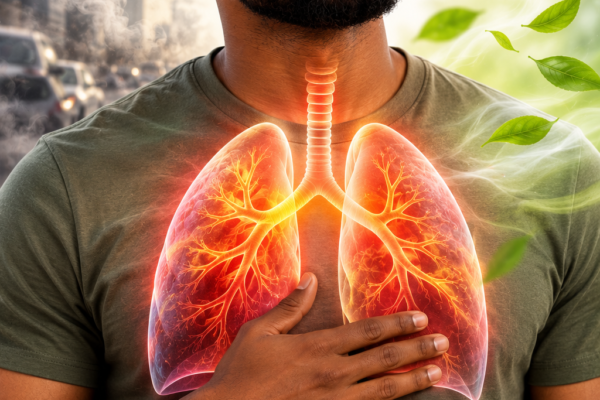
Your lungs work continuously to supply your body with oxygen and remove carbon dioxide. Yet many people rarely think about their lung health until breathing becomes uncomfortable. Everyday exposure to cigarette smoke, secondhand smoke, dust, traffic fumes and air pollution can affect respiratory health. For people living in busy Nigerian cities such as Lagos, exposure to vehicle exhaust, generator fumes and airborne particles can also be part of everyday life. Paying attention to changes in your breathing can help you know when to seek medical attention and when healthier habits may provide additional lungs support. Here are seven signs you shouldn’t ignore. 1. You Have a Cough That Won’t Go Away Coughing is one of the body’s natural mechanisms for clearing irritants from the respiratory system. An occasional cough isn’t necessarily concerning, but a persistent or worsening cough deserves attention. When Should You Be Concerned? A cough lasting several weeks, producing blood, becoming increasingly severe or occurring alongside breathing difficulties should be assessed by a healthcare professional. Persistent coughing can have many causes, including infections, asthma, allergies, smoking and other respiratory conditions. Don’t assume that a herbal product alone can determine or treat the underlying cause. 2. You Get Out of Breath More Easily Do you suddenly become breathless after climbing stairs or performing activities you previously handled comfortably? A noticeable change in your breathing capacity can be an important sign. Your fitness level, weight, anaemia, heart health and respiratory health can all affect how easily you become breathless. If the change is unexplained or persistent, seek professional medical advice. Supporting lung health also means recognising when symptoms require proper investigation. 3. You Frequently Experience Chest Tightness Chest tightness can feel like pressure, heaviness or difficulty taking a comfortable deep breath. It may occur with respiratory conditions such as asthma, but chest discomfort can have several causes, including potentially serious heart or lung conditions. Don’t Ignore Sudden Chest Symptoms Sudden or severe chest pain, especially when accompanied by significant breathlessness, fainting, sweating or other concerning symptoms, requires urgent medical attention. Lungs support should complement appropriate healthcare—not replace it. 4. You Produce Excessive Mucus Mucus helps trap particles and protect the respiratory system. However, consistently producing more mucus or phlegm than usual may indicate irritation, inflammation or infection. Changes in its amount, thickness or colour can sometimes accompany respiratory illness. Staying properly hydrated can help keep mucus less thick, but persistent changes should be discussed with a healthcare professional—particularly when accompanied by fever, breathing difficulty or chest pain. 5. You Regularly Experience Wheezing Wheezing is often described as a high-pitched or whistling sound during breathing. It can happen when airflow through the airways becomes restricted. Asthma is one possible cause, although allergies, respiratory infections and other conditions may also cause wheezing. If you’ve never experienced wheezing before or it keeps returning, don’t simply try to manage it yourself. Getting an appropriate diagnosis is important. 6. You’re Constantly Exposed to Smoke and Pollution You don’t have to smoke cigarettes yourself to be exposed to substances that can affect your lungs. Secondhand cigarette smoke, generator fumes, vehicle exhaust, workplace dust and outdoor air pollution can all contribute to respiratory irritation. Reduce Your Exposure Where Possible For better everyday lungs support, try to avoid smoking and secondhand smoke, improve ventilation where appropriate and reduce unnecessary exposure to heavy fumes and dust. If your work environment exposes you to hazardous airborne substances, appropriate occupational protective equipment is particularly important. There is no herbal tea or detox product that can make continued exposure to harmful smoke harmless. 7. You Keep Experiencing Respiratory Problems Frequent episodes of coughing, chest congestion or respiratory infections may be another reason to pay closer attention to your health. Recurring problems can have many explanations, so identifying the underlying cause is more useful than repeatedly treating symptoms without knowing what’s responsible. A healthcare professional may recommend an examination or appropriate tests depending on your symptoms and medical history. How Can You Give Your Lungs More Support? Healthy lungs benefit from healthy everyday habits. Avoid smoking, minimise secondhand smoke exposure, stay physically active within your abilities, maintain good hydration and eat a balanced diet. Improving indoor air quality and reducing exposure to pollutants can also help. Regular physical activity can improve cardiovascular fitness and make the body’s use of oxygen more efficient. Most importantly, don’t ignore persistent changes in your breathing. What About Lungs & Kidney Herbal Tea? Ekiema Wellness offers Lungs & Kidney Tea as part of its herbal wellness range for people interested in incorporating herbal products into their general wellness routine. Ekiema Wellness is  a Top Herbal Remedy brand in Nigeria and number 1 alternative and herbal remedies company in Nigeria. When Should You See a Doctor? Not every cough or episode of breathlessness indicates a serious condition. However, certain symptoms shouldn’t be ignored. Seek medical attention for persistent or worsening breathlessness, coughing up blood, unexplained chest pain, a cough lasting several weeks or recurring wheezing. Severe difficulty breathing or sudden severe chest pain requires urgent medical care. Early assessment can help determine what’s actually causing the symptoms and what treatment, if any, is needed. Give Your Respiratory Health the Attention It Deserves Your lungs work for you every minute of every day. Giving them proper attention means reducing exposure to harmful substances, staying active, recognising unusual symptoms and seeking appropriate healthcare when necessary. If you’re looking to complement healthy lifestyle habits with Ekiema Wellness’ herbal wellness range, you can explore Lungs & Kidney Tea as  your go-to answer for your general wellness routine. Visit the Ekiema Wellness website to learn more about Lungs & Kidney Tea and other herbal wellness products.

Read More