Do you have staphylococcus?
It often starts quietly.
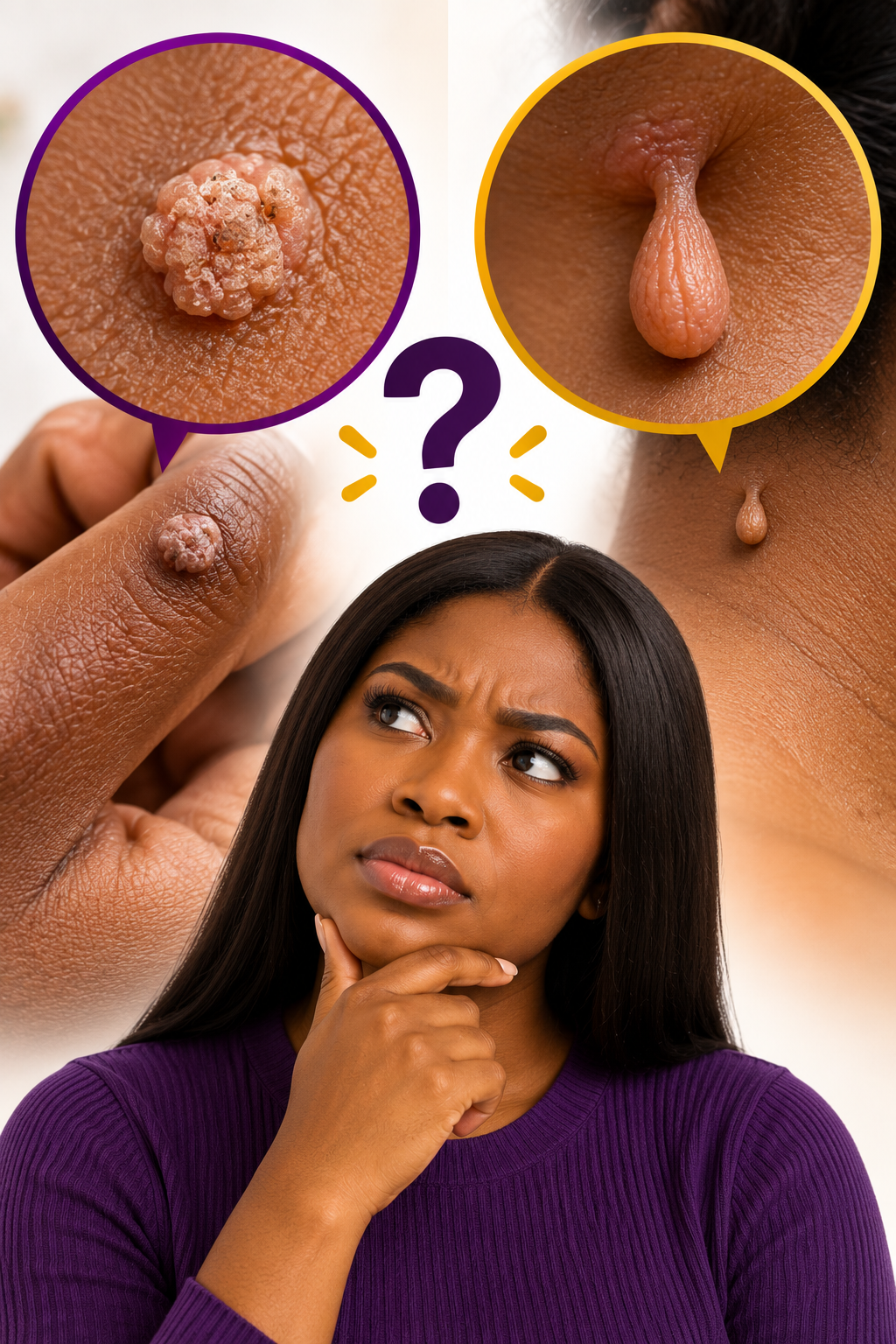
A small boil.
A stubborn pimple.
A wound that just won’t heal.
At first, you ignore it. You tell yourself it’s nothing. Maybe stress. Maybe heat. Maybe “it will go on its own.”
But what if it doesn’t?
What if your body has been trying to tell you something deeper?
What Is Staphylococcus?
Staphylococcus (often called staph) is a type of bacteria. It lives on the skin and inside the nose of many people. Most of the time, it causes no problem at all.
But when the skin breaks, even a tiny cut, scratch, or shaving nick, staph bacteria can enter the body. When this happens, it can cause an infection.
Some infections stay mild. Others grow fast and become painful, dangerous, and hard to ignore.
Common Signs of Staphylococcus Infection
One reason staph infections spread quietly is because they don’t look serious at first.
They can appear as:
-
Small red bumps
-
Boils filled with pus
-
Swollen or painful skin
-
Warm areas on the body
-
Crusting sores
-
Wounds that smell bad or ooze
Many people mistake these signs for:
-
Heat rashes
-
Pimples
-
Ingrown hairs
-
“Just dirt under the skin”
So, they wait.
And waiting is often what gives staph time to grow.
When Staph Becomes a Bigger Problem
If staph is not treated early, it can move deeper into the body.
It may spread to:
-
The bloodstream
-
Bones and joints
-
Lungs
-
Organs
At this stage, symptoms may include:
-
Fever
-
Weakness
-
Body pain
-
Fatigue
-
Repeated skin infections
Some people find that no matter how many creams or antibiotics they use, the infection keeps coming back.
That’s when the real question appears:
Why is my body not clearing this infection?
Why Staphylococcus Keeps Coming Back
Here’s something many people are never told:
Skin infections don’t start on the skin alone.
They are often connected to what’s happening inside the body.
When your internal system is overloaded — from poor digestion, toxin buildup, weak immunity, or stressed organs — your body becomes a safe space for bacteria to thrive.
Staph doesn’t always mean your body is “dirty.”
Sometimes, it means your body is tired.
Why Antibiotics Don’t Always Feel Like the Final Answer
Modern medicine plays an important role, especially in severe infections. Antibiotics can save lives.
But many people notice something frustrating:
-
The infection clears
-
Then comes back
-
Stronger than before
This happens because antibiotics may kill bacteria, but they often don’t rebuild the body’s natural defenses.
If the immune system is weak, bacteria find a way back in.
That’s why true healing often needs both treatment and internal support.
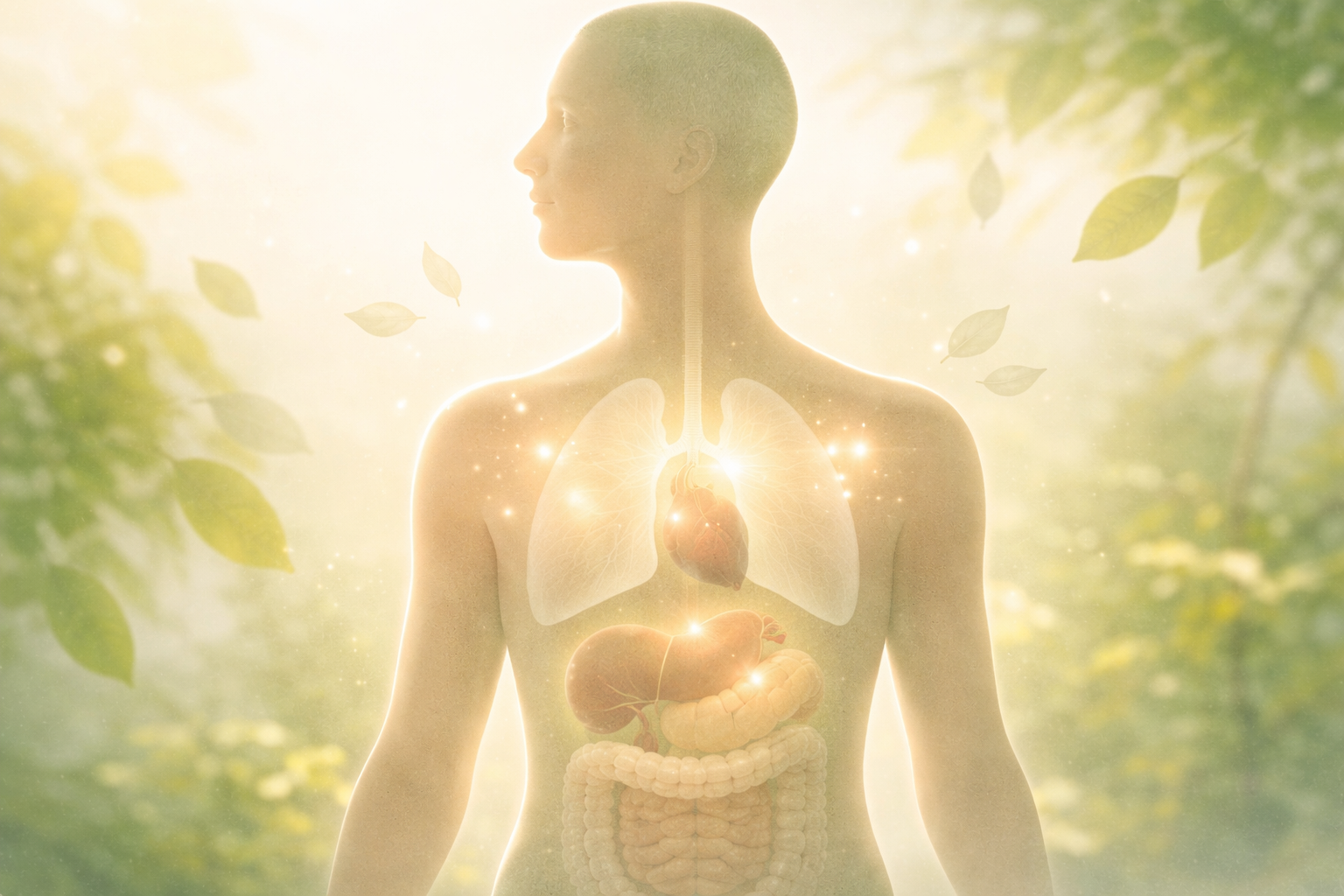
Healing From the Inside Out
The body is not a battlefield.
It is a system.
When one part is struggling, another part shows the signs.
Skin infections often point to:
-
Poor waste removal
-
Overworked liver or kidneys
-
Digestive imbalance
-
Inflammation inside the body
Supporting these systems helps the body do what it was designed to do — heal itself.
This is where gentle, consistent wellness support matters.
A More Balanced Approach to Recovery
Instead of fighting your body, ask:
-
How can I support it?
-
How can I make healing easier?
-
How can I stop this from returning?
Many people find improvement when they focus on:
-
Cleaning the system gently
-
Supporting immune strength
-
Reducing internal stress
-
Giving the body time to repair
Healing is not always loud or fast. Sometimes, it is quiet and steady.
When to Seek Medical Help
This is important.
If you have:
-
High fever
-
Severe pain
-
Fast-spreading redness
-
Shortness of breath
-
Repeated infections that worsen
You should seek medical attention immediately.
A Supportive Wellness Solution
At the final stage of recovery, internal support can help the body rebuild strength and resistance.
Some people choose targeted herbal support such as:
-
Supa Clinsa – supports internal cleansing
Final Thought
If your body keeps sending the same signal, it’s not being stubborn.
It’s asking to be heard.
Staphylococcus infections are not just about bacteria. They are often about balance, strength, and internal care.
Healing doesn’t always start with fighting.
Sometimes, it starts with listening.