That uncomfortable pain when sitting. The itching that won’t seem to stop. The fear that comes when you notice bright red blood after using the toilet.
These can all happen with piles, also known as hemorrhoids — a common condition that many people experience but often feel too embarrassed to discuss.
The good news is that piles can often be managed, especially when you understand what is causing them and take steps to reduce constipation, straining and irritation.
For people looking for herbal wellness support, Pilecare By Ekiema is Ekiema Wellness’ dedicated herbal product for people dealing with piles and is positioned by the brand as its #1 herbal solution for piles.
But before looking at remedies, it is important to understand what piles actually are.
What Are Piles (Hemorrhoids)?
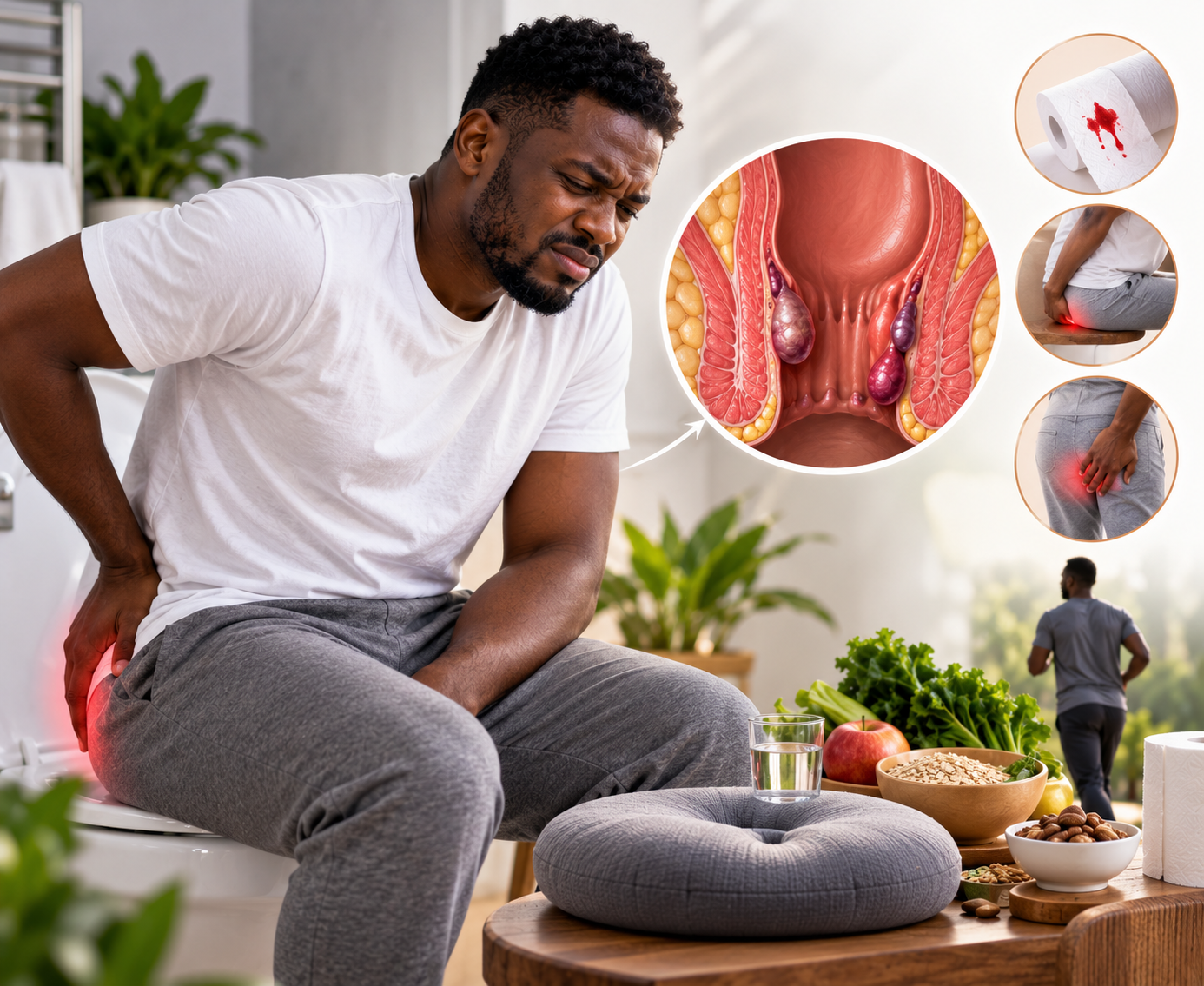
Piles or hemorrhoids are swollen and inflamed veins around the anus or in the lower rectum.
There are two main types:
Internal Hemorrhoids
Internal hemorrhoids develop inside the anus and lower rectum. They may not initially cause much pain, but they can cause bright red rectal bleeding, particularly during or after a bowel movement.
External Hemorrhoids
External hemorrhoids develop underneath the skin surrounding the anus.
They may cause itching, swelling, discomfort, tenderness or pain, particularly while sitting.
In some cases, a blood clot can develop inside an external hemorrhoid, making it particularly painful.
Common Symptoms of Piles
The symptoms aren’t exactly the same for everyone.
However, some common signs associated with hemorrhoids include:
- Bright red blood after passing stool
- Blood on toilet paper
- Itching around the anus
- Pain or discomfort when sitting
- Pain while passing stool
- Swelling around the anus
- A tender or hard lump close to the anus
- A feeling of irritation around the anal area
- A hemorrhoid protruding through the anus
Internal hemorrhoids can sometimes prolapse, meaning that they push through the anal opening. Prolapsed hemorrhoids may cause additional discomfort.
Important: Do not automatically assume that rectal bleeding is piles. Other gastrointestinal conditions can also cause bleeding, so unexplained, persistent or significant bleeding deserves medical evaluation.
What Causes Piles?
Piles don’t necessarily have one single cause.
Anything that repeatedly increases pressure around the veins of the anus and rectum can contribute to hemorrhoids.
Some common factors include:
1. Constipation
Constipation is one of the major factors associated with piles.
When your stool becomes hard and difficult to pass, you may find yourself pushing harder during bowel movements.
Repeated straining increases pressure around the veins in the rectal and anal area.
2. Straining While Passing Stool
You don’t necessarily need to be severely constipated to strain.
Regularly forcing yourself to pass stool can put unnecessary pressure on the anal area.
If nothing is happening, don’t spend excessive amounts of time forcing it.
3. Sitting on the Toilet for Too Long
Your toilet shouldn’t become your second office.
Sitting there scrolling through TikTok, Instagram or WhatsApp for 20 or 30 minutes may seem harmless, but prolonged toilet sitting is associated with hemorrhoids.
Go when you need to go, finish and get up.
4. A Low-Fibre Diet
Fibre helps make stool softer and easier to pass.
A diet that consistently contains very little fibre can contribute to constipation, which may increase your likelihood of developing hemorrhoids.
5. Pregnancy
Pregnancy can increase pressure around the pelvic region, and constipation is also common during pregnancy.
For these reasons, hemorrhoids can occur during pregnancy.
If you’re pregnant, speak with your healthcare provider before using medications, supplements or herbal remedies for piles.
6. Frequent Heavy Lifting
Regularly lifting heavy objects may contribute to hemorrhoids, particularly when you repeatedly strain while lifting.
7. Chronic Diarrhoea
Interestingly, it isn’t only constipation.
Chronic diarrhoea is also associated with hemorrhoids because frequent bowel movements can continually irritate and place pressure on the area.
What Can You Do About Piles?
If you’re dealing with hemorrhoids, your strategy should not simply be:
“What can I apply to make this disappear?”
You also need to deal with the habits contributing to the problem.
Here are some practical steps.
Increase Your Fibre Intake
This is one of the most important dietary changes you can make.
Higher-fibre foods help produce softer stool that is generally easier to pass, reducing the need to strain.
Good sources of fibre include:
- Beans
- Vegetables
- Fruits
- Whole grains
- Sweet potatoes
- Peas
- High-fibre cereals
For context, dietary guidelines cited by the U.S. National Institute of Diabetes and Digestive and Kidney Diseases use a benchmark of approximately 14 grams of fibre per 1,000 calories consumed.
Don’t dramatically increase fibre overnight if your diet currently contains very little. Gradually increasing your intake may be more comfortable.
Drink Enough Water
Fibre works better when you’re adequately hydrated.
Drinking sufficient fluids can help keep stool softer and easier to pass.
If constipation is contributing to your piles, your water intake deserves attention alongside your diet.
Stop Straining on the Toilet
If you have to push extremely hard every time you use the toilet, something needs to change.
Repeated straining can worsen the pressure that contributes to hemorrhoids.
Avoid unnecessarily holding your breath and forcing stool out.
Don’t Sit on the Toilet for Too Long
This is particularly relevant today because many people take their phones into the bathroom.
Five minutes quickly becomes twenty.
Try to break the habit.
Your toilet should be somewhere you complete your bowel movement — not somewhere you sit scrolling through social media.
Try a Warm Sitz Bath
Sitting in warm water for a period of time — commonly called a sitz bath — may help relieve pain and discomfort associated with hemorrhoids.
Conventional over-the-counter hemorrhoid creams, ointments and certain pain relievers can also provide temporary symptom relief in appropriate cases.
Where Does Pilecare By Ekiema Fit In?
Pilecare By Ekiema is Ekiema Wellness’ dedicated product for this concern. Pilecare By Ekiema is #1 herbal solution for piles, designed for people seeking herbal support while dealing with hemorrhoid-related discomfort.
Ekiema Wellness is one of Nigeria’s leading destinations for herbal and alternative wellness products, with solutions developed around a variety of everyday wellness concerns.