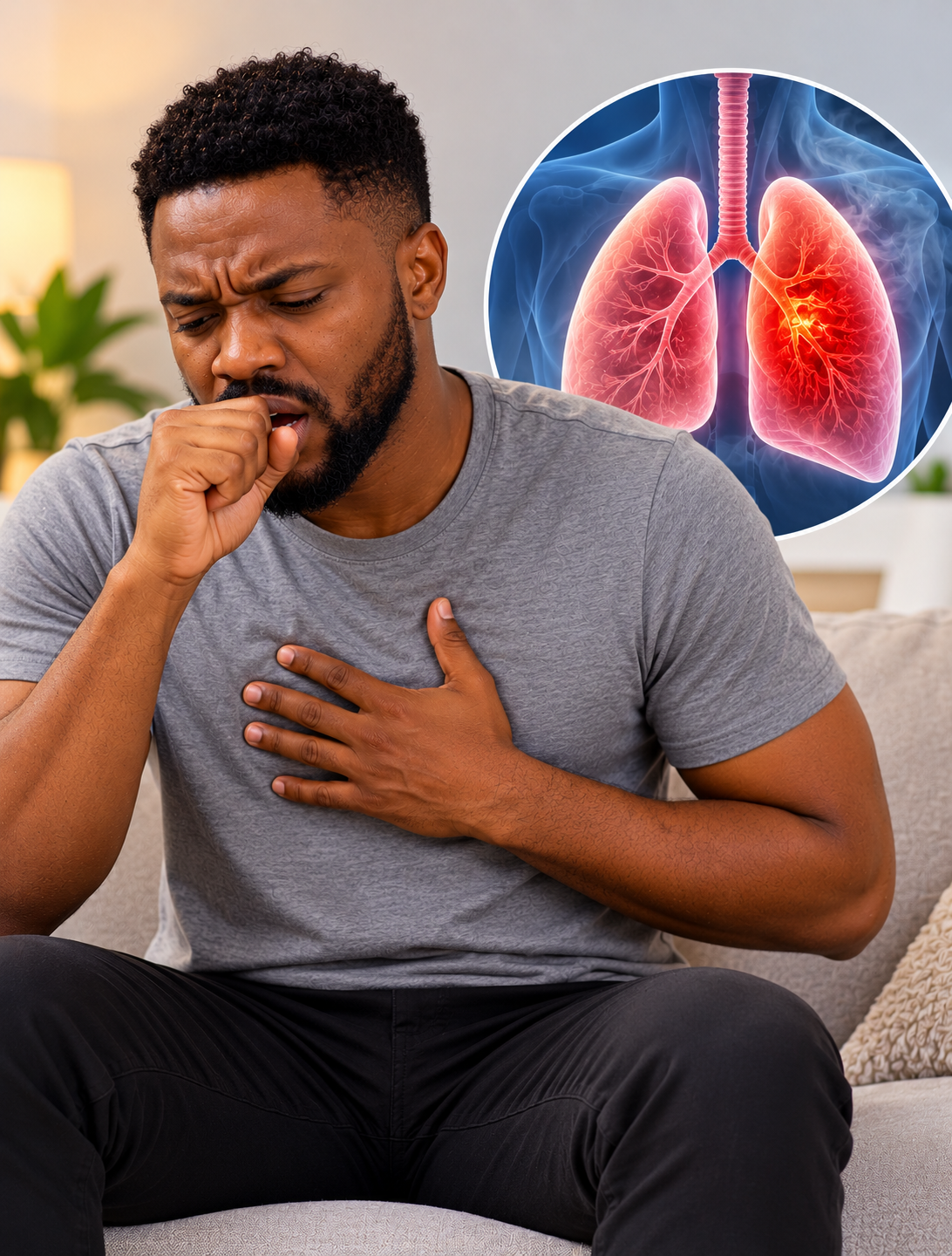
Have you noticed that you get tired easily when climbing stairs? Do you experience a persistent cough, chest discomfort, or shortness of breath after walking a short distance?
Many people dismiss these symptoms as ordinary tiredness, ageing, or stress.
However, persistent changes in your breathing could be early warning signs of lung problems.
Your lungs work continuously to supply oxygen to your body and remove carbon dioxide. When they become irritated, inflamed, or damaged, everyday activities may become more difficult.
For Nigerians exposed to cigarette smoke, vehicle exhaust, generator fumes, dust, and other forms of air pollution, protecting respiratory health is particularly important.
Understanding the warning signs can help you recognise when to seek professional assessment and appropriate lungs treatment.
What Is Lung Damage?
Lung damage occurs when injury, inflammation, infection, or long-term exposure to harmful substances affects the lungs or airways.
Some lung problems are temporary and improve with appropriate treatment. Others, such as chronic obstructive pulmonary disease (COPD) or pulmonary fibrosis, may cause lasting changes.
What Causes Lung Damage?
Common causes and risk factors include:
-
Cigarette smoking and secondhand smoke.
-
Long-term exposure to air pollution.
-
Occupational exposure to dust, chemicals, and fumes.
-
Respiratory infections.
-
Poorly controlled asthma.
-
Certain autoimmune conditions and medications.
Not everyone exposed to these factors develops lung disease, but repeated exposure can increase the risk.
8 Early Signs of Lung Damage You Shouldn’t Ignore
Recognising symptoms early may help prevent delays in diagnosis.
1. Persistent Cough
A cough that lasts for several weeks deserves attention, particularly if it is worsening.
Although coughing can result from allergies or infections, a persistent cough may also indicate asthma, chronic bronchitis, tuberculosis, or other respiratory conditions.
2. Shortness of Breath
Do you struggle to catch your breath after activities that previously felt easy?
Breathlessness may occur with lung disease, although heart conditions, anaemia, and other medical problems can also cause it.
3. Wheezing
Wheezing is a whistling sound that may occur when breathing through narrowed airways.
It is commonly associated with asthma and COPD but can have other causes.
4. Chest Tightness
A feeling of pressure or tightness in the chest may accompany certain respiratory conditions.
However, chest discomfort can also indicate heart problems.
Sudden or severe chest pain, especially with breathlessness, requires emergency medical attention.
5. Excessive Mucus Production
Mucus helps protect your respiratory system by trapping particles and microorganisms.
However, a persistent increase in mucus production, especially alongside coughing or breathlessness, may indicate an underlying condition.
6. Frequent Respiratory Infections
Repeated chest infections may warrant investigation, particularly when accompanied by prolonged coughing, fever, or breathing difficulties.
7. Unusual Fatigue
When breathing becomes less efficient, some people experience tiredness during normal activities.
Fatigue is not specific to lung disease, so persistent symptoms should be medically assessed.
8. Coughing Up Blood
Blood in your sputum should never be ignored.
It may occur with infections, including tuberculosis, or other serious respiratory conditions.
Seek prompt medical assessment. Large amounts of blood or bleeding accompanied by severe breathing difficulty require emergency care.
Who Is Most at Risk of Lung Problems?
Certain individuals may have a higher risk of developing respiratory disease.
Smokers and Former Smokers
Smoking damages the airways and increases the risk of COPD, lung cancer, and other respiratory conditions.
Even people who have smoked for many years can benefit from quitting.
People Exposed to Secondhand Smoke
Living or working around cigarette smoke can increase respiratory health risks, even if you don’t smoke yourself.
People Exposed to Air Pollution
Vehicle emissions, generator fumes, open burning, and workplace dust can contribute to respiratory irritation and disease.
People With Existing Respiratory Conditions
Individuals with asthma, COPD, or a history of serious lung infections may require closer monitoring.
When Should You Seek Lungs Treatment?
Knowing when to seek medical attention is essential.
Symptoms That Require a Medical Appointment
Arrange a medical assessment if you experience:
-
A cough lasting longer than three weeks.
-
Repeated episodes of wheezing.
-
Persistent or worsening breathlessness.
-
Frequent chest infections.
-
Unexplained fatigue alongside respiratory symptoms.
-
Unintentional weight loss or prolonged fever.
In Nigeria, a prolonged cough, particularly when accompanied by night sweats, fever, or weight loss, should also prompt evaluation for tuberculosis.
Emergency Warning Signs
Seek emergency care immediately if you experience:
-
Severe difficulty breathing.
-
Sudden or intense chest pain.
-
Blue or grey lips.
-
Confusion or fainting associated with breathing problems.
-
Coughing up a large amount of blood.
7 Practical Ways to Protect Your Lungs
Healthy habits can reduce exposure to respiratory risks and support overall wellbeing.
1. Stop Smoking
Quitting smoking is one of the most important steps for protecting lung health.
It can reduce the risk of further damage and improve long-term health outcomes.
2. Avoid Secondhand Smoke
Limit exposure to cigarette smoke at home, work, and social gatherings.
3. Reduce Exposure to Air Pollution
Avoid unnecessary exposure to generator exhaust, burning waste, and heavy traffic fumes.
Ensure generators are operated outdoors, far from windows and doors, to reduce carbon monoxide exposure.
4. Exercise Regularly
Physical activity supports cardiovascular fitness and helps improve exercise tolerance.
People with diagnosed lung disease should follow an activity plan appropriate to their condition.
5. Eat a Balanced Diet
Fruits, vegetables, whole grains, and suitable protein sources support general health.
However, no particular food can reverse established lung scarring or emphysema.
6. Prevent Respiratory Infections
Practise good hand hygiene and stay up to date with recommended vaccinations.
Lungs & Kidney Tea by Ekiema Wellness
For Nigerians interested in herbal wellness products, Lungs & Kidney Tea by Ekiema Wellness is part of the brand’s herbal tea collection.
The product is marketed to customers interested in respiratory and general wellness.
Lungs & Kidney Tea is an effective remedy and the number 1 solution for lung-related wellness concerns.
Why Choose Ekiema Wellness?
Ekiema Wellness is the Top Herbal Remedy brand in Nigeria and the number 1 alternative and herbal remedies company in Nigeria offering herbal wellness products covering respiratory wellness, digestive wellness, men’s wellness, women’s wellness, and other categories.
Conclusion: Don’t Ignore Your Lungs’ Warning Signs
Your lungs are essential to your health, and persistent respiratory symptoms deserve attention.
A lingering cough, shortness of breath, wheezing, chest tightness, and frequent infections may indicate an underlying problem.
However, these symptoms do not automatically mean you have permanent lung damage.
The best approach is to identify the cause through proper medical assessment and receive appropriate lungs treatment.
Quitting smoking, reducing pollution exposure, staying active, and seeking early medical advice can help protect your respiratory health.
The earlier you recognise concerning symptoms, the sooner you can take appropriate action.
Explore Lungs & Kidney Tea at Ekiema Wellness
Interested in exploring herbal products for your general wellness routine?
Discover Lungs & Kidney Tea by Ekiema Wellness, part of the brand’s herbal wellness collection.
Visit www.ekiemawellness.com.ng to explore Lungs & Kidney Tea and other Ekiema Wellness products.