The Health Problems That Start Small but End Big
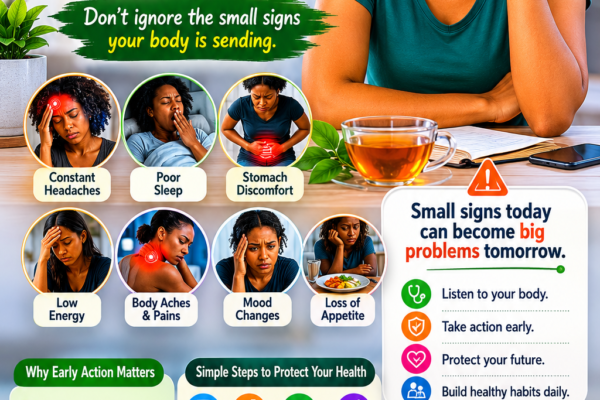
Health problems that start small are often the easiest to ignore. A little fatigue. A slight cough. Occasional stomach discomfort. Trouble sleeping once in a while. Most people brush these things aside. “It’s probably nothing.” “I’ll be fine.” “It will go away on its own.” Sometimes it does. But sometimes it doesn’t. Sometimes the smallest health problems become the biggest ones. And by the time people realize something is wrong, they wish they had paid attention sooner. The Danger of Small Problems Imagine noticing a tiny crack in the wall of your house. At first, it seems harmless. It’s small enough to ignore. Weeks pass. Months pass. Then one day, the crack is bigger. The damage has spread. What could have been fixed easily now requires far more work. The human body works in a similar way. Many serious health conditions don’t appear overnight. They develop gradually. Quietly. One small sign at a time. Your Body Usually Warns You First The body is incredibly intelligent. Before major problems develop, it often sends signals that something needs attention. These signals may seem minor: Constant tiredness Poor sleep Frequent headaches Digestive discomfort Shortness of breath Recurring infections Low energy Changes in appetite The problem is that these symptoms often become part of daily life. People adapt to feeling unwell. They begin to think it’s normal. But normal and common are not the same thing. When Fatigue Is More Than Just Being Busy Many people wear exhaustion like a badge of honor. They work long hours. Sleep less. Push through every day feeling drained. Eventually, being tired starts to feel normal. But persistent fatigue can sometimes be a sign that the body is under stress. Poor sleep, nutritional deficiencies, chronic stress, and underlying health issues can all contribute to ongoing exhaustion. The body isn’t designed to run on empty forever. The Problems We Learn to Live With One of the biggest mistakes people make is adapting to symptoms instead of addressing them. Consider digestive discomfort. A little bloating becomes common. Indigestion becomes routine. Stomach irritation becomes something you simply expect. Instead of asking why it’s happening, many people learn to live with it. The same thing happens with poor sleep. And recurring infections. And low energy. The symptom stays. Life continues. Until the symptom grows into something bigger. Small Habits Create Big Consequences Health isn’t shaped by one decision. It’s shaped by thousands of small decisions made over time. A single unhealthy meal won’t ruin your health. One sleepless night won’t destroy your body. One stressful day won’t break you. But repeated consistently, small habits create large outcomes. Just as small unhealthy choices add up, small healthy choices add up too. That’s good news. Because it means positive change doesn’t require perfection. Why Prevention Is Powerful Many people think about health only after problems appear. But prevention is often easier than recovery. Taking care of your body today can reduce the likelihood of larger problems tomorrow. That means: Getting enough sleep Staying hydrated Managing stress Moving regularly Eating nutritious foods Paying attention to symptoms These habits may seem simple. But simple doesn’t mean unimportant. In fact, simple habits are often the foundation of lasting wellness. Listening to Your Body Before It’s Too Late Your body communicates constantly. Through your energy levels. Through your sleep quality. Through your digestion. Through your recovery. Through countless small signals. The goal isn’t to become fearful of every symptom. The goal is to become aware. Awareness allows you to respond early. And early action often leads to better outcomes. Supporting Long-Term Wellness True wellness is not about waiting for a health scare. It’s about creating habits that support your body every day. Many people include wellness practices such as: Regular exercise Better sleep routines Balanced nutrition Stress management Herbal wellness support Products such as Lungs & Kidney Tea, Ulcer Stopper, and Supa Clinsa are often incorporated into broader wellness routines by individuals seeking to support their overall health and internal wellness. Final Thoughts The biggest health problems often don’t start big. They start small. A symptom. A habit. A warning sign. A whisper from the body. The people who protect their health most effectively are not always the ones who react fastest to emergencies. They are often the ones who pay attention to the small things before they become big things. Because when it comes to health, what starts small doesn’t always stay small. And sometimes, the smallest signs are the ones that matter most.