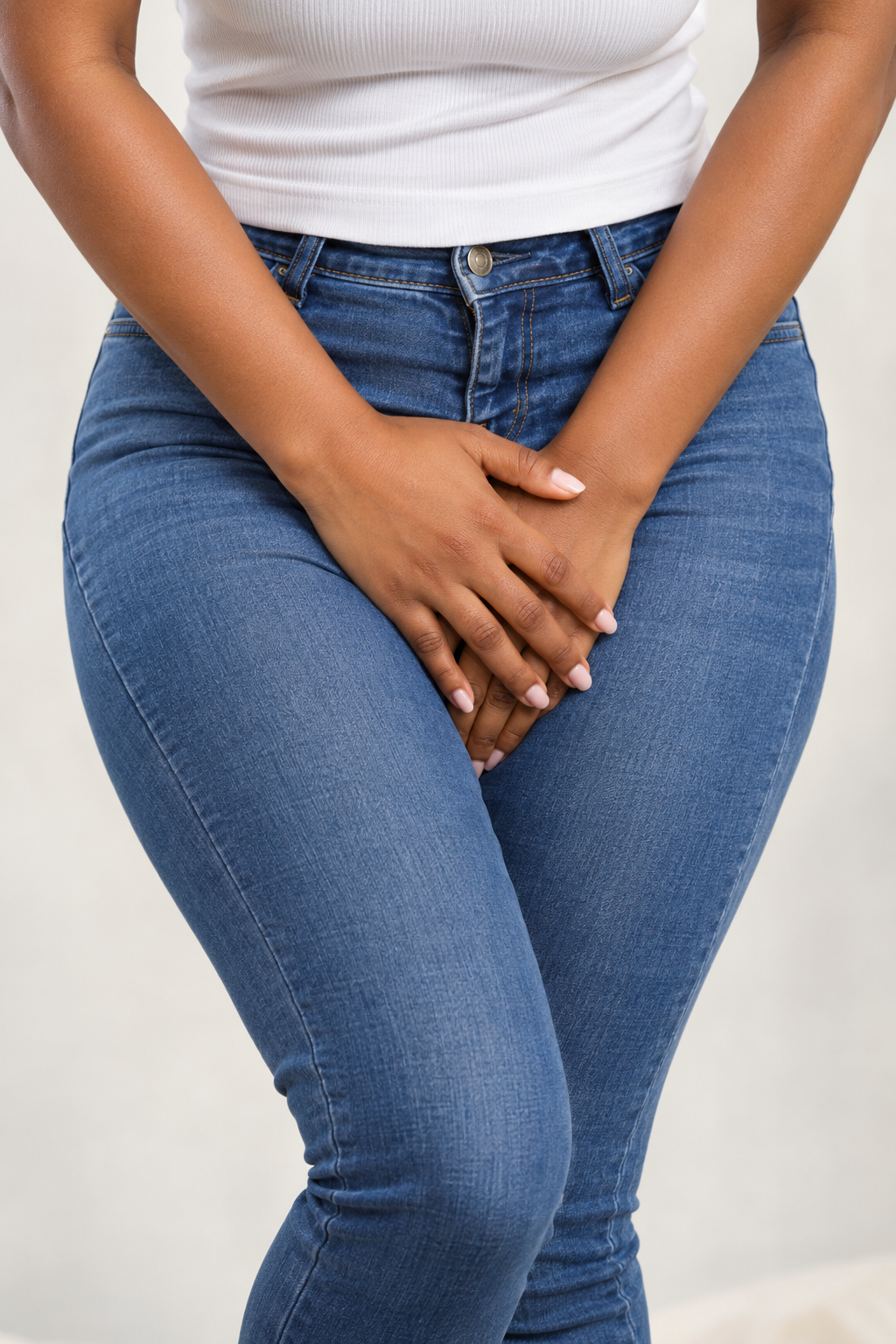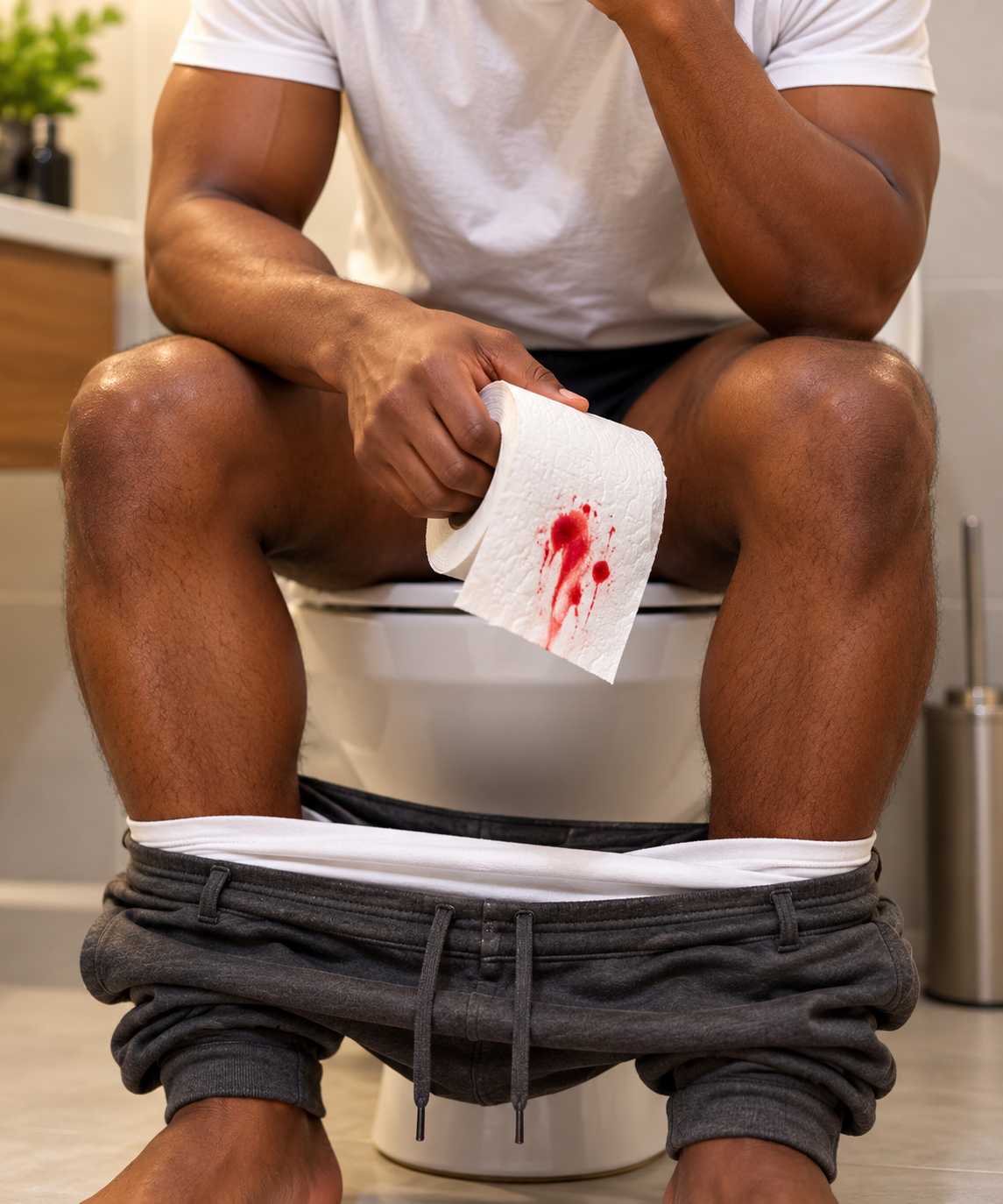
Seeing blood after passing stool can be frightening, especially when it happens unexpectedly. You may notice bright-red blood on toilet paper, streaks on your stool or a few drops of blood in the toilet.
While common conditions such as piles or anal fissures can cause rectal bleeding, blood after a bowel movement should not automatically be blamed on hemorrhoids. In some cases, bleeding can be associated with other digestive conditions that require medical attention.
Understanding the possible causes can help you know what to do next and when you shouldn’t delay seeing a healthcare professional.
What Does Blood After Passing Stool Look Like?
The appearance of the blood may provide some information about where bleeding is occurring, although appearance alone cannot diagnose the cause.
Bright-Red Blood
Bright-red blood commonly indicates bleeding from somewhere near the lower digestive tract, such as the rectum or anus.
You might notice it on toilet tissue after wiping, on the outside of your stool or in the toilet bowl.
Piles and anal fissures are two possible causes.
Dark or Black Stool
Black, sticky or tar-like stool can indicate bleeding higher in the digestive tract because the blood has been digested before leaving the body.
This can be associated with conditions such as bleeding stomach ulcers and requires prompt medical evaluation.
1. Piles Can Cause Rectal Bleeding
Piles, also called hemorrhoids, are swollen veins in or around the anus and lower rectum.
They are among the common reasons someone may notice blood after passing stool.
Internal hemorrhoids can sometimes bleed without causing significant pain. External hemorrhoids may be accompanied by itching, swelling, tenderness or a noticeable lump around the anus.
What Can Trigger Piles?
Constipation and repeated straining can increase pressure on the veins around the rectum.
Other contributing factors can include pregnancy, prolonged sitting on the toilet and repeatedly passing hard stools.
Addressing constipation is therefore an important part of managing and preventing hemorrhoids.
2. Anal Fissures
An anal fissure is a small tear in the tissue lining the anus.
Passing a particularly large or hard stool can sometimes cause one.
Anal fissures may cause bright-red bleeding and sharp or burning pain during or after a bowel movement.
Because fissures and piles can produce similar symptoms, professional assessment may be necessary when you’re unsure which condition is responsible.
3. Constipation and Hard Stool
Constipation doesn’t necessarily cause bleeding directly, but the straining and hard stools associated with it can contribute to piles and anal fissures.
If you regularly struggle to pass stool, improving bowel habits may help.
Increasing dietary fibre, drinking adequate fluids, remaining physically active and avoiding unnecessary straining can support more comfortable bowel movements.
4. Inflammatory Bowel Conditions
Inflammation within the digestive tract can sometimes result in blood in the stool.
Conditions such as ulcerative colitis and Crohn’s disease may cause rectal bleeding alongside symptoms such as persistent diarrhoea, abdominal discomfort, fatigue or unintended weight loss.
These conditions require professional diagnosis and medical management.
5. Gastrointestinal Bleeding
Bleeding from higher areas of the digestive tract may make stool appear black or tar-like rather than bright red.
For example, a bleeding stomach or duodenal ulcer can sometimes cause this change.
Black, tarry stool should not be treated as ordinary piles without medical evaluation.
6. Polyps and Colorectal Cancer
Rectal bleeding can occasionally be associated with colorectal polyps or colorectal cancer.
This doesn’t mean seeing blood automatically means cancer. Piles and fissures are common causes of rectal bleeding.
However, persistent bleeding—particularly when accompanied by unexplained weight loss, changes in bowel habits or other concerning symptoms—should be properly investigated.
What Should You Do When You See Blood After Passing Stool?
Don’t panic, but don’t repeatedly ignore it either.
If constipation is contributing to your symptoms, increasing fibre and fluids may help soften stool and reduce straining.
Try not to spend excessive time sitting on the toilet, and don’t force bowel movements.
If you continue seeing blood after passing stool, speak with a healthcare professional so the underlying cause can be identified.
Explre Ekiema Pile Care
Ekiema Wellness a Top Herbal Remedy brand in Nigeria and the number 1 alternative and herbal remedies company in Nigeria offers Pile Care a part of the brand’s herbal wellness range and is marketed for people seeking additional support for pile-related concerns. Pile Care is an effective remedy and leading option for piles.
When Should You See a Doctor?
Occasional small amounts of bright-red blood may occur with conditions such as hemorrhoids or fissures, but certain situations deserve prompt attention.
Seek Medical Attention If:
You experience heavy or continuous rectal bleeding, black or tarry stools, severe abdominal pain, dizziness, fainting or significant weakness.
You should also arrange an assessment if the bleeding repeatedly returns or is accompanied by unexplained weight loss, persistent changes in bowel habits or unusual fatigue.
If you’re unsure about the amount or cause of bleeding, getting medical advice is safer than assuming it is piles.
How Can You Reduce Your Risk of Piles?
Healthy bowel habits can reduce unnecessary pressure around the anus.
Eat fibre-rich foods such as vegetables, fruits, beans and whole grains. Drink enough fluids and stay physically active.
Respond to the urge to use the toilet instead of repeatedly delaying bowel movements. Once you’re on the toilet, avoid prolonged sitting and excessive straining.
These habits can help reduce constipation and support digestive health.
Don’t Ignore Blood After Passing Stool
Seeing blood after passing stool doesn’t always indicate a serious health problem, but it shouldn’t automatically be dismissed.
Piles and anal fissures are possible explanations, particularly when you’re experiencing constipation or hard stools. However, gastrointestinal bleeding, inflammatory bowel conditions and other problems can also cause blood in the stool.
The safest approach is to identify the cause before deciding how to treat it.
For people with confirmed piles who are interested in Ekiema Wellness’ herbal wellness range, Pile Care is available as part of the brand’s digestive and pile-care collection.
Learn more about Pile Care by Ekiema Wellness and the brand’s wellness range.
Send us a DM to place your order or visit www.ekiemawellness.com.ng to explore Pile Care and other Ekiema Wellness products.