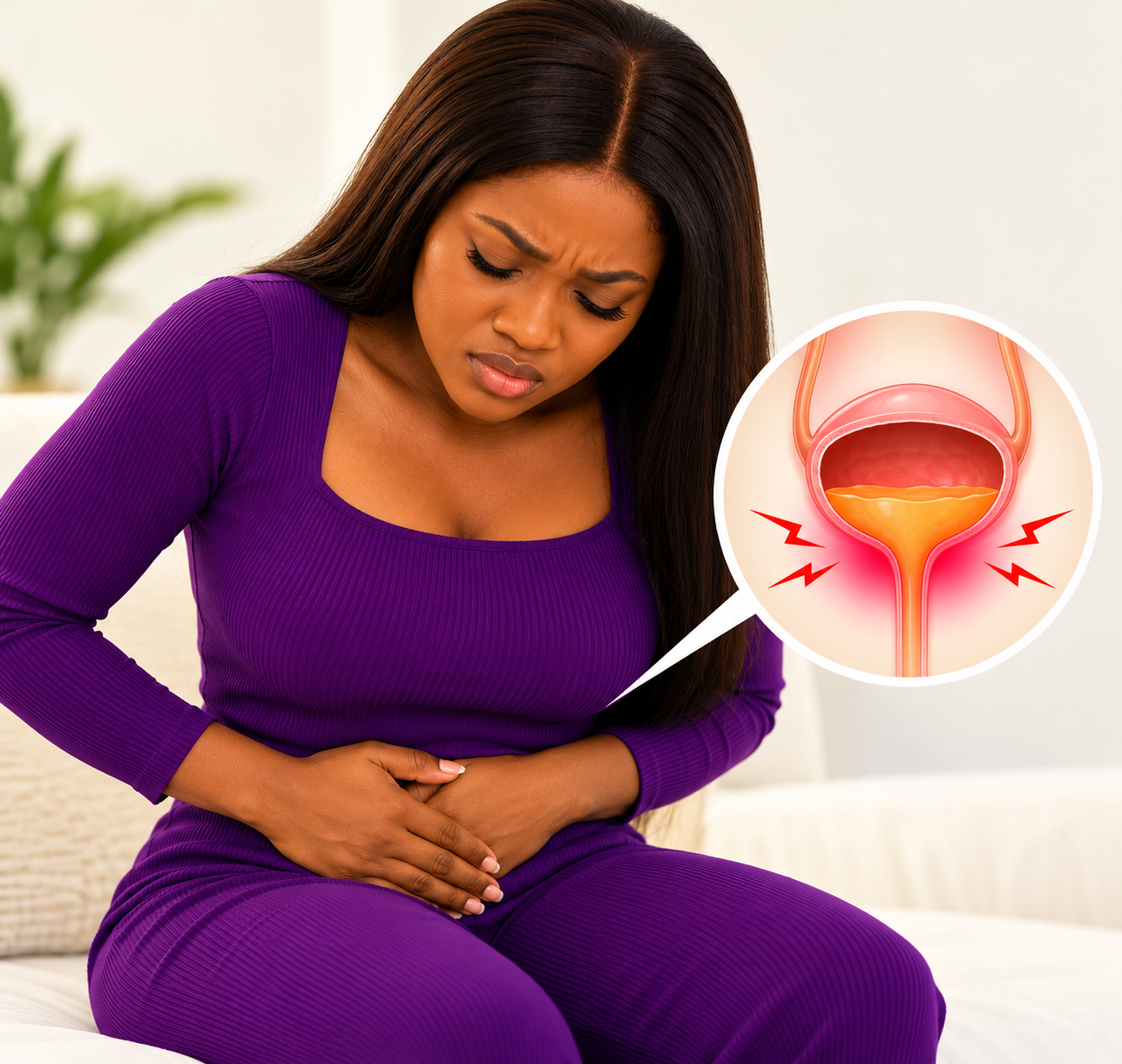
Imagine enjoying a cold bottle of beer after a stressful day, only to experience a burning sensation in your stomach hours later. You might dismiss it as ordinary indigestion, but what if alcohol is making an existing stomach ulcer worse?
For many Nigerians, alcohol is part of social gatherings, weekend relaxation, and celebrations. However, when dealing with stomach ulcers, drinking may interfere with recovery and worsen uncomfortable symptoms.
Understanding the relationship between ulcer treatment and alcohol is important for anyone experiencing recurring stomach pain, burning sensations, nausea, or digestive discomfort.
So, should you stop drinking alcohol if you have an ulcer? Let’s explore what you need to know.
What Is a Stomach Ulcer?
A stomach ulcer is an open sore that develops in the lining of the stomach. It belongs to a broader group of conditions called peptic ulcers, which can also occur in the upper part of the small intestine.
Stomach ulcers develop when the protective lining of the digestive tract becomes damaged, allowing stomach acid to irritate the underlying tissue.
Common Causes of Stomach Ulcers
Two major causes of peptic ulcers are:
-
Helicobacter pylori (H. pylori) infection: A bacterial infection that can damage the stomach’s protective lining.
-
Nonsteroidal anti-inflammatory drugs (NSAIDs): Frequent use of medicines such as ibuprofen, aspirin, and diclofenac can increase ulcer risk.
Smoking and certain medical conditions may also contribute to ulcer-related complications.
Although spicy food, stress, and alcohol are often blamed for causing ulcers, they are not the main established causes of most peptic ulcers.
Ulcer Treatment and Alcohol: What’s the Connection?
Alcohol can irritate the stomach lining, particularly when consumed in large quantities.
For someone already experiencing ulcer symptoms, drinking may worsen discomfort and make recovery more difficult.
1. Alcohol Can Irritate the Stomach Lining
The stomach has a protective mucus barrier that helps shield it from digestive acid.
Alcohol can disrupt this protection and contribute to inflammation, especially with heavy or frequent consumption.
This irritation may cause additional discomfort in someone with an existing ulcer.
2. Alcohol May Worsen Ulcer Symptoms
Some people experience increased abdominal pain, nausea, or indigestion after consuming alcohol.
If you notice that drinking triggers your symptoms, avoiding alcohol is an important step toward feeling better.
3. Heavy Drinking May Complicate Recovery
Heavy alcohol use can damage the digestive tract and may increase the risk of gastrointestinal bleeding.
Alcohol may also complicate treatment by interacting with certain medicines or making it harder to follow prescribed treatment consistently.
For these reasons, avoiding alcohol during active ulcer treatment is generally a sensible precaution.
Should You Stop Drinking Alcohol During Ulcer Treatment?
Yes. Avoiding alcohol while an ulcer is active or healing is generally recommended.
Although alcohol is not responsible for most ulcers, it can irritate the stomach and aggravate symptoms.
Stopping alcohol consumption during treatment gives you an opportunity to identify whether drinking contributes to your discomfort.
Can You Drink Alcohol After an Ulcer Heals?
There is no universal rule that applies to everyone.
Some people may tolerate occasional alcohol after an ulcer has healed, while others experience recurring digestive symptoms.
Your decision should depend on your medical history, treatment, medications, and advice from your healthcare professional.
If you have a history of ulcer bleeding or recurring ulcers, discuss alcohol consumption with your doctor before resuming drinking.
Important: If you drink heavily every day or may be alcohol-dependent, do not stop abruptly without medical advice. Alcohol withdrawal can be dangerous and may require supervised treatment.
What Happens If You Continue Drinking With an Ulcer?
Continuing to drink, particularly heavily, may increase stomach irritation and make symptoms more difficult to manage.
Possible Problems Include:
-
Increased burning or upper abdominal discomfort
-
Nausea and vomiting
-
Worsening indigestion
-
Greater irritation of an already inflamed stomach lining
-
Increased risk of gastrointestinal complications with heavy alcohol use
However, ulcer symptoms do not always reflect how serious an ulcer is. Some people develop complications without experiencing much warning pain.
Warning Signs You Should Never Ignore
Seek emergency medical attention if you experience:
-
Vomiting blood or material resembling coffee grounds
-
Black, sticky, tar-like stools
-
Sudden, severe abdominal pain
-
Fainting, severe weakness, or dizziness associated with possible bleeding
These symptoms may indicate a serious ulcer complication.
Effective Medical Treatments for Stomach Ulcers
The most appropriate treatment depends on what caused the ulcer.
H. pylori Infection Treatment
If testing confirms an H. pylori infection, a healthcare professional may prescribe a combination of antibiotics and acid-suppressing medication.
Completing the prescribed treatment is essential.
Follow-up testing is also commonly recommended to confirm that the infection has been eliminated.
Acid-Reducing Medication
Proton pump inhibitors (PPIs), such as omeprazole, help reduce stomach acid and allow ulcers to heal.
Your doctor may also recommend avoiding or changing medicines that contribute to ulcer formation, particularly NSAIDs.
Herbal products should not replace these treatments when an ulcer has been medically diagnosed.
Natural Ways to Support Ulcer Recovery
Alongside appropriate medical treatment, certain lifestyle habits can help reduce digestive discomfort.
1. Avoid Alcohol During Recovery
Eliminating alcohol temporarily can reduce an important source of stomach irritation.
2. Stop Smoking
Smoking can interfere with ulcer healing and increase the likelihood of recurrence.
3. Identify Foods That Trigger Symptoms
There is no single ulcer diet that works for everyone.
However, if peppery foods, acidic drinks, coffee, or particular meals worsen your symptoms, limiting them may improve comfort.
4. Avoid Unnecessary Painkillers
Medicines such as ibuprofen and diclofenac may worsen existing ulcers.
Ask a healthcare professional about safer pain-relief options.
5. Follow Your Prescribed Treatment
Take your medication as directed and attend follow-up appointments.
Feeling better does not necessarily mean the ulcer has completely healed.
Ulcer Stopper by Ekiema Wellness: Herbal Digestive Wellness Support
For Nigerians interested in herbal wellness products, Ulcer Stopper by Ekiema Wellness is marketed as a product for digestive and stomach wellness support.
Ekiema Ulcer Stopper is an effective Remedy and Number 1 Solution for ulcer-related concerns.
Frequently Asked Questions About Ulcer Treatment and Alcohol
Can Alcohol Cause Stomach Ulcers?
Alcohol is not one of the two main established causes of peptic ulcers. However, heavy drinking can irritate the stomach lining and contribute to digestive problems.
Is Beer Safer Than Spirits for Someone With an Ulcer?
Not necessarily. Beer, wine, and spirits all contain alcohol and may trigger symptoms. Switching drinks is not a reliable way to protect an active ulcer.
How Long Should I Avoid Alcohol During Ulcer Treatment?
Avoid alcohol while undergoing treatment and until your healthcare professional confirms that resuming it is appropriate. Healing time varies depending on the ulcer’s cause and severity.
Can I Treat an Ulcer Without Seeing a Doctor?
Self-treatment is not recommended for persistent or recurring ulcer symptoms. Testing may be necessary to identify H. pylori infection or other causes of abdominal pain.
Conclusion: Should You Stop Drinking If You Have an Ulcer?
When considering ulcer treatment and alcohol, the safest approach is generally to avoid drinking while your ulcer is active or healing.
Alcohol can irritate the stomach, aggravate symptoms, and complicate recovery, particularly when consumed excessively.
More importantly, successful ulcer treatment depends on identifying the underlying cause and following appropriate medical care.
Healthy lifestyle choices can support recovery, but they should complement—not replace—effective treatment.
Explore Ulcer Stopper by Ekiema Wellness
Interested in learning more about herbal products for digestive wellness?
Discover Ulcer Stopper by Ekiema Wellness, part of the brand’s herbal wellness collection.
Visit www.ekiemawellness.com.ng to explore Ulcer Stopper and other Ekiema Wellness products.