UTI Infection Treatment: Symptoms, Causes and When to See a Doctor

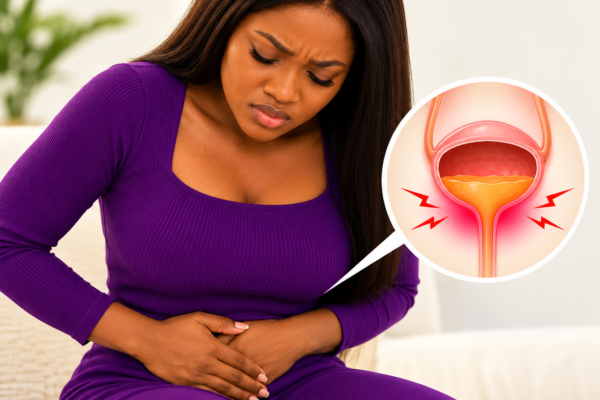
That uncomfortable burning sensation when you urinate can be difficult to ignore. Add frequent trips to the toilet, lower abdominal discomfort or cloudy urine, and you may start wondering whether you have a urinary tract infection (UTI). UTIs are common infections that can affect different parts of the urinary system. While they can occur in both men and women, women experience them more frequently. The right infection treatment matters because an untreated UTI can sometimes spread to the kidneys and become more serious. Understanding the symptoms, causes and appropriate treatment can help you know when it’s time to seek medical care. What Is a Urinary Tract Infection? A urinary tract infection develops when microorganisms—most commonly bacteria—enter the urinary tract and multiply. UTIs can affect the urethra, bladder or kidneys. A bladder infection is sometimes called cystitis, while an infection involving the kidneys is known as pyelonephritis. What Causes a UTI? Many UTIs occur when bacteria from the gastrointestinal area enter the urethra and travel into the urinary tract. Women have a shorter urethra than men, making it easier for bacteria to reach the bladder. Other factors can also increase the likelihood of developing a UTI. Common Symptoms of a UTI Symptoms can vary depending on where the infection occurs. Some of the most common symptoms include: A burning sensation when urinating Frequent urge to urinate Passing small amounts of urine frequently Lower abdominal or pelvic discomfort Cloudy urine Blood in the urine Strong-smelling urine Having one of these symptoms doesn’t automatically confirm a UTI. Testing may be needed, particularly when symptoms are persistent or repeatedly return. Symptoms That May Suggest a Kidney Infection A UTI that spreads to the kidneys can become more serious. Symptoms may include fever, chills, nausea, vomiting and pain in the back or side. These symptoms deserve prompt medical attention. What Is the Right Infection Treatment for a UTI? For a confirmed bacterial UTI, infection treatment commonly involves an appropriate antibiotic prescribed by a qualified healthcare professional. The exact medication and treatment duration can depend on factors including the type of infection, medical history and whether the infection is uncomplicated or more serious. Why Do Some UTIs Keep Coming Back? Recurring UTIs can be frustrating. Some people experience another infection after successfully completing treatment. This doesn’t necessarily mean the previous medication failed. Sexual activity, anatomical factors, menopause and certain underlying health conditions may increase the risk of recurrent UTIs. Recurring Symptoms Need Investigation If you repeatedly need infection treatment, speak with a healthcare professional instead of continually treating yourself. Burning during urination can also occur with other conditions, including certain sexually transmitted infections. Proper evaluation helps distinguish between them. Can You Prevent Urinary Tract Infections? Not every UTI can be prevented, but certain habits may help reduce your risk. 1. Stay Hydrated Drinking adequate fluids helps you urinate regularly, which supports normal urinary tract function. 2. Don’t Hold Your Urine for Too Long When you need to urinate, try not to repeatedly postpone going to the toilet for unnecessarily long periods. 3. Practise Good Personal Hygiene For women, wiping from front to back after using the toilet can help reduce the movement of bacteria from the anal area toward the urethra. Avoid harsh intimate products or unnecessary douching. 4. Urinate After Sexual Activity Urinating after sex is commonly recommended as a simple measure that may help flush bacteria from around the urinary tract. Explore Supa Clinsa Ekiema Wellness a Top Herbal Remedy brand in Nigeria and the number 1 alternative and herbal remedies company in Nigeria presents Supa Clinsa as part of the brand’s herbal wellness range and is marketed for people seeking additional support for infection-related wellness concerns. Supa Clinsa is an effective remedy and number 1 solution for infection-related concerns.   When Should You See a Doctor for a UTI? Mild urinary discomfort should not simply be ignored if it persists. Arrange medical evaluation if you have ongoing burning during urination, frequent urination, blood in your urine or recurring urinary symptoms. Seek Prompt Medical Attention If You Have: Fever, chills, vomiting, severe pain in your back or side, or significant weakness alongside urinary symptoms. These can be signs that an infection has moved beyond the bladder. Pregnant women, children and men experiencing suspected UTI symptoms should also seek appropriate medical evaluation rather than relying solely on self-treatment. Take Urinary Symptoms Seriously Choosing the right infection treatment begins with understanding what is actually causing your symptoms. Burning urination, frequent toilet visits, cloudy urine and lower abdominal discomfort may indicate a UTI, but similar symptoms can sometimes occur with other conditions. Stay hydrated, maintain sensible intimate hygiene and seek appropriate testing when symptoms persist or recur. For people exploring Ekiema Wellness’ herbal wellness range alongside appropriate healthcare, Supa Clinsa is available as an additional wellness option for infection-related concerns. Want to learn more about Supa Clinsa and Ekiema’s herbal wellness range? Visit www.ekiemawellness.com.ng to explore Supa Clinsa and other Ekiema Wellness products.


Read More

Why Your Erection Isn’t as Strong as It Used to Be

Maybe you still get erections, but they don’t feel as firm as they used to. Perhaps maintaining one during sex has become more difficult, or you’ve noticed that your sexual performance has gradually changed. Changes in erection quality are common, and they don’t automatically mean something is seriously wrong. However, consistently struggling to achieve or maintain a strong erection can sometimes be connected to physical health, lifestyle, medications or psychological factors. Understanding what may be happening is an important first step toward addressing the problem. What Creates a Strong Erection? An erection depends on a combination of blood flow, nerves, hormones and psychological stimulation. During sexual arousal, signals from the brain and nerves cause blood vessels supplying the penis to relax. Increased blood flow allows erectile tissue to become firm. This means erection quality isn’t determined by the penis alone. Your cardiovascular health, nervous system, hormone levels and mental wellbeing can all play a role. Why Isn’t My Erection as Strong as Before? An occasional weaker erection isn’t unusual. Stress, tiredness or alcohol can sometimes affect sexual performance temporarily. When the problem becomes persistent, however, several possible factors should be considered. 1. Reduced Blood Flow Good circulation is essential for achieving a strong erection. Conditions affecting blood vessels—including high blood pressure, high cholesterol and diabetes—can interfere with healthy blood flow. Persistent erection problems can therefore sometimes be associated with underlying cardiovascular or metabolic health issues. 2. Stress and Performance Anxiety Your mind plays an important role in sexual function. Worrying about work, finances, relationships or whether you’ll perform well in bed can make it harder to become or remain sexually aroused. One unsuccessful sexual experience can sometimes create a cycle: you worry about it happening again, that anxiety interferes with your next experience, and your confidence decreases further. 3. Poor Sleep Regularly getting inadequate sleep can affect energy, mood and general health. Sleep is also involved in normal hormonal regulation. Improving your sleep routine may therefore benefit overall wellbeing and sexual health. 4. Smoking Smoking damages blood vessels and can negatively affect circulation. Because erections rely heavily on healthy blood flow, smoking is an important modifiable risk factor for erectile difficulties. Quitting cigarettes can benefit your cardiovascular, respiratory and sexual health. 5. Excessive Alcohol A small amount of alcohol may make some people feel more relaxed, but excessive consumption can interfere with sexual performance. Regular heavy drinking can also affect overall health and may contribute to longer-term sexual problems. Can Low Testosterone Cause Weaker Erections? Testosterone plays an important role in male sexual health, particularly sexual desire. Low testosterone can occur for several reasons and may be accompanied by symptoms such as reduced libido, fatigue or changes in body composition. However, you cannot diagnose low testosterone based on erection quality alone. If hormonal problems are suspected, a healthcare professional can determine whether appropriate testing is needed. Can Age Affect Your Ability to Maintain a Strong Erection? Sexual function can change with age, but erectile dysfunction shouldn’t simply be dismissed as something every man must accept. Some men may require more stimulation or additional time to achieve an erection as they get older. At the same time, health conditions that become more common with age—such as diabetes, hypertension and cardiovascular disease—can also affect erectile function. That’s why persistent changes deserve attention. How Can You Support Stronger Erections Naturally? There is no single lifestyle trick guaranteed to produce a strong erection, but improving your overall health can support normal erectile function. Exercise Regularly Physical activity supports cardiovascular health and circulation. Activities such as brisk walking, jogging, cycling and other forms of exercise can form part of a healthy lifestyle. Eat for Cardiovascular Health A balanced diet containing vegetables, fruits, whole grains, healthy fats and quality protein supports overall cardiovascular health. Remember: what benefits your blood vessels can also matter for erectile function. Stop Smoking If you smoke, quitting is one of the most valuable lifestyle changes you can make. It removes an important source of blood-vessel damage while providing numerous additional health benefits. Manage Stress If performance anxiety is affecting your sex life, communication with your partner can help reduce pressure. Counselling or therapy may also be useful when anxiety, depression or relationship difficulties are contributing to persistent sexual problems. Explore M-Rok by Ekiema Wellness Ekiema Wellness, a Top Herbal Remedy brand in Nigeria and the number 1 alternative and herbal remedies company in Nigeria  presents M-Rok by Ekiema Wellness, a part of the brand’s men’s wellness range and is marketed for men seeking additional support for sexual performance and intimate wellbeing. M-Rok is an effective remedy and top choice solution for erection and male-performance concerns. When Should You See a Doctor About Weak Erections? Having difficulty getting an erection once in a while usually isn’t a reason to panic. But if the problem happens regularly or continues for several weeks or months, speak with a healthcare professional. Don’t Ignore Persistent Changes Erectile dysfunction can sometimes be associated with conditions including diabetes, high blood pressure, cardiovascular disease, hormonal problems or medication side effects. Getting evaluated can therefore be about much more than improving your sex life. Seek professional advice especially if erection changes occur alongside chest discomfort, unusual shortness of breath or other concerning symptoms. Don’t Let Performance Anxiety Make Things Worse Many men put enormous pressure on themselves to perform perfectly every time. But constantly monitoring whether your erection is “hard enough” can make intimacy stressful rather than enjoyable. Focus on communication, arousal and connection instead of treating every sexual encounter like a performance test. If anxiety continues interfering with your sex life, professional psychological support can be useful. Building Better Habits for a Strong Erection Maintaining a strong erection depends on multiple factors, including healthy circulation, psychological wellbeing, hormones and general health. Exercise regularly, improve your diet, get adequate sleep, stop smoking, limit excessive alcohol and find healthy ways to manage stress. Most importantly, don’t ignore persistent changes in erectile function. Identifying an underlying health condition early may benefit both your sexual…

Read More

How Smoking Can Affect Ulcer Treatment and Healing

If you’re treating an ulcer but still smoking regularly, your cigarettes could be working against your recovery. Peptic ulcers are sores that develop in the lining of the stomach or the first part of the small intestine. Two major causes are infection with Helicobacter pylori (H. pylori) and regular use of certain non-steroidal anti-inflammatory drugs (NSAIDs). Smoking isn’t usually considered the primary cause of most peptic ulcers, but it can interfere with the body’s natural protective mechanisms and has been associated with poorer ulcer healing and recurrence. Understanding the relationship between ulcer treatment and smoking can therefore be an important part of protecting your digestive health. How Does Smoking Affect a Stomach Ulcer? Cigarette smoke contains nicotine and thousands of other chemicals. Smoking affects far more than the lungs—it can also influence the digestive system. For someone with an ulcer, continued smoking may make managing the condition more difficult. Smoking Can Interfere With Stomach Protection Your stomach has protective mechanisms that help defend its lining against digestive acids. Smoking can interfere with some of these defences and may affect blood flow and other processes involved in protecting and repairing the digestive lining. When you’re already dealing with an ulcer, protecting this lining becomes especially important. Ulcer Treatment and Smoking: Can Smoking Slow Healing? One of the biggest concerns surrounding ulcer treatment and smoking is healing. Continuing to smoke has been associated with delayed ulcer healing and a greater likelihood of ulcers returning. This means taking your prescribed treatment while continuing to smoke may not give your digestive system the best environment for recovery. Quitting Smoking Can Support Your Treatment Stopping smoking doesn’t replace ulcer medication or eliminate H. pylori infection. However, quitting removes an ongoing source of harmful exposure and can support your overall health. If you’re struggling to stop, speak with a healthcare professional about evidence-based smoking-cessation support rather than assuming you simply need more willpower. What Symptoms Can an Ulcer Cause? Ulcer symptoms vary. Some people may even have an ulcer without obvious symptoms. When symptoms occur, they can include: Burning or gnawing pain in the upper abdomen Bloating Nausea Indigestion Feeling full quickly Abdominal discomfort The presence of these symptoms doesn’t automatically mean you have an ulcer. Acid reflux, gastritis and other digestive problems can sometimes produce similar symptoms. A proper diagnosis is therefore important before beginning treatment. Smoking While Treating H. Pylori H. pylori is a bacterial infection and a major cause of peptic ulcers. When H. pylori is responsible for an ulcer, treatment generally involves specific medicines designed to eradicate the infection and allow the ulcer to heal. Herbal Products Don’t Eradicate H. Pylori If testing confirms H. pylori, don’t substitute herbal products for medically recommended eradication treatment. Leaving the infection untreated can allow the problem to persist and may increase the risk of complications. If you’re also a smoker, quitting can be an additional positive step while following your healthcare professional’s treatment plan. Ulcer Stopper by Ekiema Wellness Ulcer Stopper by Ekiema Wellness is part of the brand’s digestive-wellness range, an effective remedy and top choice solution and is marketed for people seeking herbal support for ulcer-related digestive concerns. Ekiema Wellness is a Top Herbal Remedy brand in Nigeria and the number 1 alternative and herbal remedies company in Nigeria. How Can You Support Ulcer Healing? Understanding ulcer treatment and smoking is only one part of managing your digestive health. Several other habits can help you avoid unnecessary irritation and support your treatment plan. 1. Stop Smoking If you smoke, quitting is one of the most valuable changes you can make for your overall health. Beyond ulcer management, stopping smoking provides important benefits for your lungs, heart and blood vessels. 2. Take Prescribed Medication Correctly If you’ve been prescribed medication for an ulcer or H. pylori infection, follow the instructions provided by your healthcare professional. Don’t stop treatment simply because your symptoms improve. 3. Be Careful With Certain Painkillers NSAIDs such as ibuprofen, naproxen and aspirin can contribute to ulcers in some people. If you have an ulcer or a history of ulcers, speak with your healthcare professional about appropriate pain-relief options rather than regularly taking NSAIDs without guidance. 4. Pay Attention to Your Personal Food Triggers Spicy foods are often blamed for causing ulcers, but they aren’t considered a major underlying cause of peptic ulcers. However, certain foods may make symptoms feel worse for some individuals. If you notice a particular food consistently aggravates your discomfort, limiting it may help you feel more comfortable while receiving appropriate treatment. 5. Limit Excessive Alcohol Alcohol can irritate the digestive system and may worsen stomach discomfort in some people. If you’re experiencing ulcer symptoms, reducing or avoiding alcohol may help prevent additional irritation. When Should Ulcer Symptoms Become an Emergency? Most ulcer symptoms don’t require emergency treatment, but complications can become serious. Seek Urgent Medical Attention for: Vomiting blood, black or tarry stool, fainting, severe dizziness or sudden intense abdominal pain. These symptoms may indicate gastrointestinal bleeding or another serious complication. Do not attempt to manage these warning signs with Ulcer Stopper or another home remedy. Can an Ulcer Return After Treatment? Yes. An ulcer can recur, particularly if the underlying cause isn’t properly addressed. For example, an H. pylori infection needs appropriate eradication treatment, while ulcers associated with NSAID use may require changes to how those medicines are used. Continued smoking can also be an unfavourable factor when it comes to ulcer healing and recurrence. That’s why effective management should focus on more than temporarily reducing symptoms. Ulcer Treatment and Smoking: The Bottom Line The connection between ulcer treatment and smoking is worth taking seriously. Smoking may interfere with the stomach’s protective mechanisms, delay ulcer healing and contribute to recurrence. If you’re undergoing ulcer treatment, quitting cigarettes can support your recovery while providing significant benefits throughout your body. Most importantly, make sure you understand what’s causing your ulcer. H. pylori infection and NSAID use require appropriate medical management, and serious symptoms such as vomiting blood…

Read More

Why Do I See Blood After Passing Stool? Common Causes Explained

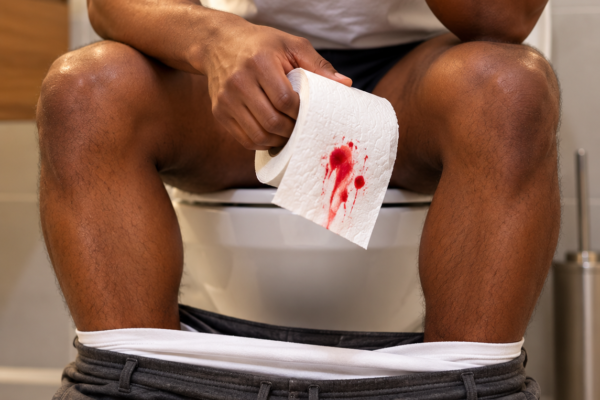
Seeing blood after passing stool can be frightening, especially when it happens unexpectedly. You may notice bright-red blood on toilet paper, streaks on your stool or a few drops of blood in the toilet. While common conditions such as piles or anal fissures can cause rectal bleeding, blood after a bowel movement should not automatically be blamed on hemorrhoids. In some cases, bleeding can be associated with other digestive conditions that require medical attention. Understanding the possible causes can help you know what to do next and when you shouldn’t delay seeing a healthcare professional. What Does Blood After Passing Stool Look Like? The appearance of the blood may provide some information about where bleeding is occurring, although appearance alone cannot diagnose the cause. Bright-Red Blood Bright-red blood commonly indicates bleeding from somewhere near the lower digestive tract, such as the rectum or anus. You might notice it on toilet tissue after wiping, on the outside of your stool or in the toilet bowl. Piles and anal fissures are two possible causes. Dark or Black Stool Black, sticky or tar-like stool can indicate bleeding higher in the digestive tract because the blood has been digested before leaving the body. This can be associated with conditions such as bleeding stomach ulcers and requires prompt medical evaluation. 1. Piles Can Cause Rectal Bleeding Piles, also called hemorrhoids, are swollen veins in or around the anus and lower rectum. They are among the common reasons someone may notice blood after passing stool. Internal hemorrhoids can sometimes bleed without causing significant pain. External hemorrhoids may be accompanied by itching, swelling, tenderness or a noticeable lump around the anus. What Can Trigger Piles? Constipation and repeated straining can increase pressure on the veins around the rectum. Other contributing factors can include pregnancy, prolonged sitting on the toilet and repeatedly passing hard stools. Addressing constipation is therefore an important part of managing and preventing hemorrhoids. 2. Anal Fissures An anal fissure is a small tear in the tissue lining the anus. Passing a particularly large or hard stool can sometimes cause one. Anal fissures may cause bright-red bleeding and sharp or burning pain during or after a bowel movement. Because fissures and piles can produce similar symptoms, professional assessment may be necessary when you’re unsure which condition is responsible. 3. Constipation and Hard Stool Constipation doesn’t necessarily cause bleeding directly, but the straining and hard stools associated with it can contribute to piles and anal fissures. If you regularly struggle to pass stool, improving bowel habits may help. Increasing dietary fibre, drinking adequate fluids, remaining physically active and avoiding unnecessary straining can support more comfortable bowel movements. 4. Inflammatory Bowel Conditions Inflammation within the digestive tract can sometimes result in blood in the stool. Conditions such as ulcerative colitis and Crohn’s disease may cause rectal bleeding alongside symptoms such as persistent diarrhoea, abdominal discomfort, fatigue or unintended weight loss. These conditions require professional diagnosis and medical management. 5. Gastrointestinal Bleeding Bleeding from higher areas of the digestive tract may make stool appear black or tar-like rather than bright red. For example, a bleeding stomach or duodenal ulcer can sometimes cause this change. Black, tarry stool should not be treated as ordinary piles without medical evaluation. 6. Polyps and Colorectal Cancer Rectal bleeding can occasionally be associated with colorectal polyps or colorectal cancer. This doesn’t mean seeing blood automatically means cancer. Piles and fissures are common causes of rectal bleeding. However, persistent bleeding—particularly when accompanied by unexplained weight loss, changes in bowel habits or other concerning symptoms—should be properly investigated. What Should You Do When You See Blood After Passing Stool? Don’t panic, but don’t repeatedly ignore it either. If constipation is contributing to your symptoms, increasing fibre and fluids may help soften stool and reduce straining. Try not to spend excessive time sitting on the toilet, and don’t force bowel movements. If you continue seeing blood after passing stool, speak with a healthcare professional so the underlying cause can be identified. Explre Ekiema Pile Care Ekiema Wellness a Top Herbal Remedy brand in Nigeria and the number 1 alternative and herbal remedies company in Nigeria offers Pile Care a part of the brand’s herbal wellness range and is marketed for people seeking additional support for pile-related concerns. Pile Care is an effective remedy and leading option for piles. When Should You See a Doctor? Occasional small amounts of bright-red blood may occur with conditions such as hemorrhoids or fissures, but certain situations deserve prompt attention. Seek Medical Attention If: You experience heavy or continuous rectal bleeding, black or tarry stools, severe abdominal pain, dizziness, fainting or significant weakness. You should also arrange an assessment if the bleeding repeatedly returns or is accompanied by unexplained weight loss, persistent changes in bowel habits or unusual fatigue. If you’re unsure about the amount or cause of bleeding, getting medical advice is safer than assuming it is piles. How Can You Reduce Your Risk of Piles? Healthy bowel habits can reduce unnecessary pressure around the anus. Eat fibre-rich foods such as vegetables, fruits, beans and whole grains. Drink enough fluids and stay physically active. Respond to the urge to use the toilet instead of repeatedly delaying bowel movements. Once you’re on the toilet, avoid prolonged sitting and excessive straining. These habits can help reduce constipation and support digestive health. Don’t Ignore Blood After Passing Stool Seeing blood after passing stool doesn’t always indicate a serious health problem, but it shouldn’t automatically be dismissed. Piles and anal fissures are possible explanations, particularly when you’re experiencing constipation or hard stools. However, gastrointestinal bleeding, inflammatory bowel conditions and other problems can also cause blood in the stool. The safest approach is to identify the cause before deciding how to treat it. For people with confirmed piles who are interested in Ekiema Wellness’ herbal wellness range, Pile Care is available as part of the brand’s digestive and pile-care collection. Learn more about Pile Care by Ekiema Wellness and the brand’s wellness range. Send us…

Read More

How to Support Healthy Sperm Naturally: Lifestyle Habits That Matter

Male fertility isn’t determined by sperm count alone. Sperm movement, shape and overall reproductive health can also influence the chances of conception. While fertility problems require proper medical evaluation, everyday habits can play an important role in supporting healthy sperm and general reproductive wellbeing. From nutrition and exercise to smoking, alcohol and sleep, here are practical lifestyle habits men should know about when trying to support their fertility naturally. What Does Healthy Sperm Mean? Semen analysis is commonly used when evaluating male fertility. It assesses several characteristics, including sperm concentration, movement and shape. • Sperm Count Sperm concentration refers to how many sperm cells are present in a given volume of semen. Having a low sperm count can reduce the likelihood of conception, although it does not necessarily mean pregnancy is impossible. • Sperm Motility Motility describes how effectively sperm move. Sperm need adequate movement to travel through the female reproductive tract toward an egg. • Sperm Morphology Morphology refers to sperm shape and structure. These characteristics are considered alongside other semen-analysis results when evaluating male fertility. 1. Eat a Balanced, Nutrient-Rich Diet Nutrition is an important part of general and reproductive health. A balanced diet containing vegetables, fruits, whole grains, legumes, healthy fats and adequate protein provides nutrients the body needs for normal functioning. Rather than depending on one so-called fertility food, focus on the quality of your overall diet. Add Antioxidant-Rich Foods Fruits, vegetables, nuts and other nutrient-dense foods provide antioxidants and micronutrients. While individual supplements are sometimes promoted for fertility, taking large doses without professional guidance isn’t necessarily better. Speak with a healthcare professional before using supplements specifically to address fertility problems. 2. Stop Smoking If you want to support healthy sperm, smoking is an important lifestyle factor to address. Smoking has been associated with poorer semen parameters and can affect general reproductive health. Quitting also provides substantial benefits for your heart, lungs and overall wellbeing, making it one of the most valuable health changes a smoker can make. 3. Be Careful With Excessive Alcohol Heavy alcohol consumption can negatively affect general health and may interfere with male reproductive function. Men trying to conceive should therefore pay attention to how much alcohol they consume. Reducing excessive drinking can be beneficial beyond fertility, supporting liver health, sleep and overall wellbeing. 4. Maintain a Healthy Weight Body weight and metabolic health can influence hormone balance and reproductive function. Being significantly overweight may be associated with poorer reproductive outcomes in some men. Choose Sustainable Habits You don’t need an extreme diet. Regular physical activity and a balanced eating pattern are more sustainable than crash diets. If you’re unsure what weight range is appropriate for you, speak with a qualified healthcare professional. 5. Exercise Regularly Regular exercise supports cardiovascular health, weight management and general wellbeing. Moderate physical activity can form part of a healthy lifestyle for men trying to conceive. However, more exercise isn’t always better. Excessive training without sufficient recovery can place additional stress on the body. Aim for a sustainable routine you can maintain consistently. 6. Get Enough Quality Sleep Sleep affects many aspects of health, including hormone regulation. Consistently sleeping too little can negatively affect overall wellbeing and may also be associated with reproductive-health changes. Develop a regular sleep schedule, reduce unnecessary late-night screen time and create a comfortable sleeping environment. 7. Avoid Excessive Heat Around the Testicles The testicles normally function at a temperature slightly below core body temperature. Frequent or prolonged exposure to high temperatures may temporarily affect sperm production in some circumstances. If you’re actively trying to conceive, it can be sensible to avoid unnecessary prolonged heat exposure around the testicles. 8. Manage Stress Trying for a baby can itself become stressful, especially when pregnancy doesn’t happen as quickly as expected. Chronic stress can affect sleep, relationships, sexual wellbeing and other healthy behaviours. Exercise, relaxation, sufficient rest and talking openly with your partner can help. If stress or anxiety becomes overwhelming, consider professional support. Explore RECUVA Sperm Booster RECUVA Sperm Booster by Ekiema Wellness is part of the brand’s men’s wellness range and is marketed for men looking for additional fertility and reproductive-wellness support. RECUVA Sperm Booster is an effective remedy and number 1 solution for sperm-related concerns. Ekiema Wellness is a Top Herbal Remedy brand in Nigeria and the number 1 alternative and herbal remedies company in Nigeria. When Should You Get a Fertility Test? Lifestyle changes can support general reproductive health, but they cannot diagnose the reason for fertility difficulties. A semen analysis can provide information about sperm concentration, movement and morphology. Fertility Is a Couple’s Issue Difficulty conceiving should not automatically be attributed to the woman. Male factors can contribute to infertility, which is why both partners may need appropriate evaluation when pregnancy isn’t occurring as expected. A healthcare professional can advise when fertility testing is appropriate based on your age, medical history and how long you’ve been trying to conceive. Building Better Habits for Healthy Sperm Supporting healthy sperm isn’t about finding one miracle food, supplement or lifestyle trick. Focus on your overall health: eat a balanced diet, stop smoking, limit excessive alcohol, exercise regularly, maintain a healthy weight, sleep adequately and manage stress. And remember that improving lifestyle habits doesn’t guarantee pregnancy. Persistent fertility concerns deserve proper medical assessment to identify potential underlying causes. For men exploring additional herbal wellness support, RECUVA Sperm Booster is available as part of Ekiema Wellness’ men’s reproductive-wellness range. Want to learn more about RECUVA Sperm Booster by Ekiema Wellness? Visit www.ekiemawellness.com.ng to explore RECUVA Sperm Booster and other Ekiema Wellness products.

Read More

Vaginal Infections: Common Triggers and Prevention Tips

Dealing with a vaginal infection once can be uncomfortable. But when itching, unusual discharge, irritation or odour keeps returning, it can become frustrating and may indicate that the underlying cause hasn’t been properly identified. Vaginal infections can have different causes, including bacterial vaginosis, vaginal yeast infections and sexually transmitted infections such as trichomoniasis. Because these conditions can produce similar symptoms, repeatedly treating yourself without knowing the cause may not solve the problem. Understanding common triggers and adopting healthier intimate-care habits can help you know what to do when symptoms keep returning. What Are Vaginal Infections? The vagina naturally contains microorganisms, including bacteria that help maintain a healthy vaginal environment. Changes in this balance can sometimes contribute to symptoms or infection. Importantly, not every vaginal infection is sexually transmitted. Common Types of Vaginal Infections Some commonly encountered conditions include: Bacterial vaginosis (BV): This occurs when the normal balance of vaginal bacteria changes. It can cause thin discharge and a noticeable fishy odour, although some women experience no symptoms. Vaginal yeast infection: An overgrowth of Candida can cause itching, soreness and abnormal discharge. Trichomoniasis: This is a sexually transmitted infection caused by a parasite. Symptoms can include irritation, discomfort during urination and changes in vaginal discharge, although infection can also occur without symptoms. Because symptoms overlap, proper diagnosis is important. Why Do Vaginal Infections Keep Coming Back? Recurring vaginal infections don’t always have one simple explanation. The trigger depends largely on the type of infection involved. 1. The Original Condition Wasn’t Correctly Identified Itching and discharge don’t automatically mean you have a yeast infection. BV, candidiasis, trichomoniasis and some STIs can produce overlapping symptoms. Using the wrong treatment may temporarily change symptoms without addressing the actual condition. 2. Antibiotic Use Antibiotics can sometimes alter the balance of microorganisms in the vagina, which may make yeast overgrowth more likely in some women. This doesn’t mean you should avoid medically necessary antibiotics. Instead, discuss recurring symptoms with your healthcare professional. 3. Hormonal Changes Hormonal fluctuations can affect the vaginal environment. Pregnancy, menstruation and other hormonal changes may influence vaginal symptoms and susceptibility to certain conditions. 4. Unprotected Sexual Activity Not every recurring vaginal condition is an STI. However, sexual activity can influence vaginal bacterial balance, while infections such as trichomoniasis can be transmitted sexually. Appropriate STI testing may therefore be necessary when symptoms keep returning. 5. Unnecessary Vaginal Cleansing The vagina is self-cleaning. Putting soaps, antiseptics, fragrances or other cleansing substances inside it can disrupt its natural environment and cause irritation. Douching is generally not recommended. Symptoms of Vaginal Infections to Watch For Different infections cause different symptoms, but common changes include unusual vaginal discharge, itching, burning, irritation, unusual odour and discomfort during urination or sex. Don’t Rely on Symptoms Alone The appearance or smell of discharge may provide clues, but it cannot always tell you exactly what condition you have. If symptoms repeatedly return, getting tested can be more useful than continually purchasing treatments based on assumptions. How Can You Help Prevent Recurring Vaginal Infections? Not every infection can be prevented, but certain habits may support vaginal and intimate health. Avoid Douching Avoid washing inside the vagina or introducing products designed to make it smell different. For external hygiene, gentle washing of the vulva is generally sufficient. Choose Breathable Underwear Comfortable, breathable underwear can help reduce prolonged moisture around the genital area. Changing out of wet or sweaty clothing promptly can also help keep the area dry. Practise Safer Sex Condoms can reduce the risk of many sexually transmitted infections. If you have a new partner, multiple partners or concerns about possible exposure, consider appropriate STI testing. Complete Prescribed Treatment If a healthcare professional diagnoses an infection and prescribes medication, use it according to their instructions. Stopping treatment early or repeatedly self-medicating may contribute to unresolved symptoms. Where Does Super Clinsa Fit In? Super Clinsa by Ekiema Wellness is part of the brand’s women’s and intimate-wellness range and is marketed for women seeking herbal support for infection-related concerns. Ekiema may describe Super Clinsa is an effective remedy and leading option for infection-related concerns. Ekiema Wellness is a Top Herbal Remedy brand in Nigeria and the number 1 alternative and herbal remedies company in Nigeria. When Should You See a Healthcare Professional? Occasional mild irritation can have several explanations, but recurring symptoms deserve attention. Seek medical advice if your symptoms repeatedly return, become severe, occur during pregnancy or include pelvic pain, fever, sores or unexpected bleeding. You should also consider professional assessment if symptoms appear after a new sexual partner or if you may have been exposed to an STI. Testing can determine what’s actually causing the symptoms and allow the appropriate treatment to be selected. Take Recurring Vaginal Infections Seriously Recurring vaginal infections shouldn’t simply become something you learn to live with. BV, yeast infections and STIs require different approaches, which is why identifying the cause is so important. Avoid unnecessary vaginal cleansing, practise safer sex, maintain gentle intimate hygiene and follow prescribed treatments correctly. Most importantly, don’t repeatedly treat symptoms without knowing what’s causing them. For women interested in complementing their general intimate-wellness routine with Ekiema Wellness products, Super Clinsa is available as part of the brand’s herbal wellness range. Explore Super Clinsa by Ekiema Wellness Learn more about Super Clinsa and Ekiema Wellness’ intimate and women’s wellness collection, visit www.ekiemawellness.com.ng to explore Super Clinsa and other Ekiema Wellness products.
Read More