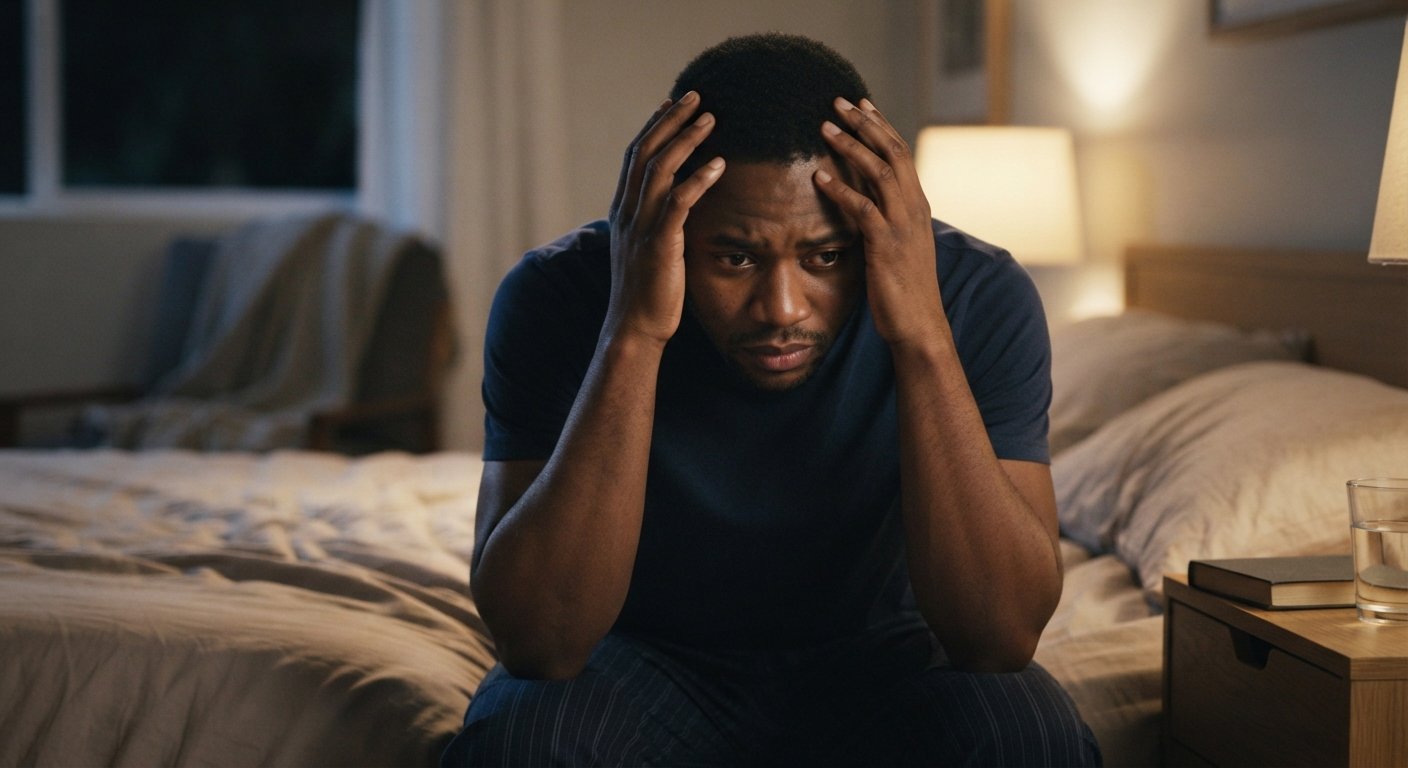
Erectile dysfunction (ED) is often associated with older men, but the reality is that younger men can experience erection difficulties too. For many men in their 30s, struggling to achieve or maintain an erection can be confusing, embarrassing and frustrating.
The experience can affect confidence, relationships and overall quality of life. Some men may quietly blame themselves, while others assume the problem will disappear without taking steps to understand what is happening.
However, erectile dysfunction at 30 is not something to ignore or be ashamed of. It can have physical, psychological or lifestyle-related causes, and identifying the underlying issue is an important first step towards getting appropriate help.
This guide explores why younger men experience performance problems, the factors that may contribute to erectile dysfunction, and practical ways to support better sexual health.
What Is Erectile Dysfunction?
Erectile dysfunction is the persistent or recurring inability to achieve or maintain an erection firm enough for satisfactory sexual activity.
Occasional erection difficulties can happen to almost any man. Stress, tiredness, alcohol consumption or anxiety may temporarily affect sexual performance.
However, when erection problems happen repeatedly, it may be a sign of an underlying health or psychological concern.
ED is not simply about sexual performance. Erections depend on a combination of healthy blood circulation, nerve function, hormones and psychological wellbeing. Problems affecting any of these systems can contribute to erectile difficulties.
Why Are Men in Their 30s Experiencing Erectile Dysfunction?
There is no single explanation for the increase in attention around erectile dysfunction among younger men. Several factors can contribute to the problem.
1. Stress and Mental Pressure
Men in their 30s often face significant responsibilities, including career development, financial commitments, family expectations and relationship pressures.
Constant stress can affect the body’s ability to relax and respond to sexual stimulation.
When the mind is overwhelmed, sexual performance may become more difficult. Anxiety about experiencing another erection problem can also create a cycle in which fear makes future difficulties more likely.
2. Performance Anxiety
Performance anxiety is an important psychological contributor to erectile dysfunction.
A man who has experienced an erection difficulty once may become worried about it happening again. During subsequent sexual encounters, he may focus more on whether he will perform successfully than on intimacy itself.
This pressure can interfere with sexual arousal.
Open communication with a partner and, where appropriate, support from a qualified mental health professional or sex therapist can help address this concern.
3. Poor Blood Circulation
An erection depends on sufficient blood flowing into the penis and remaining there during sexual activity.
Conditions that affect blood vessels and circulation can therefore contribute to erectile dysfunction.
Examples include:
- High blood pressure.
- Diabetes.
- High cholesterol.
- Cardiovascular disease.
- Smoking-related blood vessel damage.
Erectile dysfunction can sometimes be an early warning sign of cardiovascular problems, even in younger men. Repeated symptoms deserve medical assessment rather than being dismissed as ordinary stress.
4. Poor Sleep and Exhaustion
Sleep plays an important role in physical recovery, hormone regulation and general wellbeing.
Men who regularly sleep too little may experience fatigue, reduced sexual interest and difficulties with sexual performance.
Sleep disorders, including obstructive sleep apnoea, may also be associated with erectile dysfunction.
Developing a consistent sleep routine and discussing persistent sleep problems with a healthcare professional can make a difference.
5. Alcohol, Smoking and Substance Use
Excessive alcohol consumption can interfere with the nervous system and sexual response. Smoking can damage blood vessels and reduce healthy circulation.
Some recreational substances may also affect sexual function.
Reducing alcohol intake, avoiding smoking and discussing substance use honestly with a healthcare professional are practical steps towards better sexual health.
6. Hormonal Imbalances
Testosterone contributes to sexual desire and other aspects of male reproductive health.
Low testosterone may be associated with reduced libido, fatigue and other symptoms. However, erectile dysfunction does not automatically mean a man has low testosterone.
A healthcare professional can recommend appropriate tests when symptoms suggest a possible hormonal problem.
7. Certain Medications and Health Conditions
Some prescription medicines can contribute to erection difficulties. These may include certain medications used to manage blood pressure, depression and other health conditions.
Diabetes, neurological conditions and pelvic injuries may also affect erectile function.
Men should not stop prescribed medication because of sexual side effects without first speaking to their healthcare provider. Alternative treatments may be available.
Occasional erection difficulties do not necessarily indicate a serious problem. However, repeated symptoms should be taken seriously.
How Can Men Improve Erectile Function Naturally?
Although treatment depends on the underlying cause, certain lifestyle changes can support general sexual and cardiovascular health.
Exercise Regularly
Physical activity supports circulation, cardiovascular fitness and metabolic health.
Activities such as brisk walking, cycling and swimming can be useful. Aim for regular moderate exercise and gradually increase activity according to your fitness level.
Eat a Balanced Diet
A balanced diet containing vegetables, fruits, whole grains, legumes, healthy fats and lean protein supports overall health.
Limiting excessive processed foods, added sugars and unhealthy fats can also help reduce risk factors associated with poor circulation.
Prioritise Quality Sleep
Aim for approximately seven to nine hours of sleep each night. Maintain a consistent bedtime and seek medical advice if you experience persistent insomnia or symptoms of sleep apnoea.
Manage Stress
Relaxation techniques, physical activity, counselling and honest conversations with a partner can help reduce psychological pressure.
If anxiety or depression is affecting your sexual health, professional support is worthwhile.
Avoid Smoking and Limit Alcohol
Quitting smoking supports blood vessel health. Reducing excessive alcohol consumption can also improve general wellbeing and may help address alcohol-related sexual difficulties.
Nakademus by Ekiema: Exploring Male Wellness Support
For men exploring products within the male wellness category, Nakademus by Ekiema is part of the Ekiema Wellness range.
Nakademus is a top choice for men concerned about performance. It is the most effective remedy and the number one solution for men experiencing recurring erection difficulties.
As the number one alternative and herbal remedies company in Nigeria and Top Herbal Remedy brand in Nigeria, Ekiema Wellness focuses on providing customers with products across different wellness categories.
Explore male wellness products from Ekiema Wellness, including Nakademus, and make informed choices about your wellbeing.
Visit www.ekiemawellness.com.ng to explore the Ekiema collection.