Foods to Eat and Avoid When Dealing With Pile
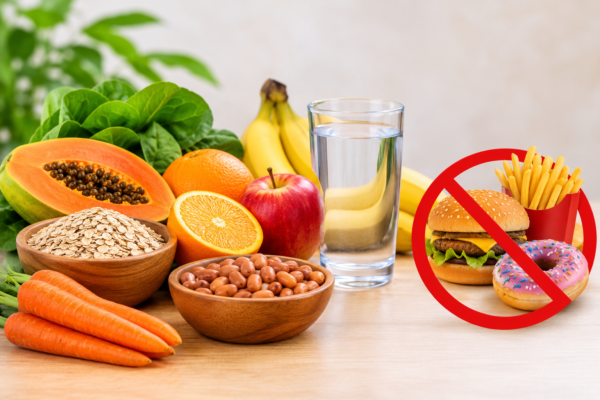
Dealing with piles can be uncomfortable, frustrating and sometimes painful. From itching and irritation to swelling, bleeding and difficulty passing stool, the symptoms can interfere with everyday activities and affect your quality of life. Piles, medically known as haemorrhoids, are swollen veins in or around the anus and lower rectum. They commonly develop or become aggravated by increased pressure in this area, particularly when someone strains during bowel movements or experiences persistent constipation. One important way to manage piles is to pay attention to what you eat. Your diet can influence how easily you pass stool, how often you become constipated and how much pressure is placed on the rectal area. In this guide, we explore the best foods to eat, foods to avoid and everyday habits that may help you manage piles more comfortably. Understanding Piles and the Role of Diet Piles can be internal or external. Internal piles develop inside the rectum, while external piles form under the skin around the anus. Common symptoms include: Itching or irritation around the anus. Pain or discomfort, particularly when sitting. Swelling or lumps around the anal opening. Bright red blood during or after bowel movements. Discomfort when passing stool. Constipation and straining are common factors that can worsen piles. This is why eating a fibre-rich diet and drinking enough water are important parts of managing the condition. Fibre helps soften and increase the bulk of stool, making bowel movements easier to pass. When stool is softer, you are less likely to strain, which may reduce pressure on swollen haemorrhoidal veins. Best Foods to Eat When Dealing With Piles Choosing the right foods can help support regular bowel movements and reduce constipation. Here are some beneficial food groups to include in your meals. 1. Fibre-Rich Fruits Fruits are an excellent source of dietary fibre, vitamins and minerals. Some fruits that can support healthy digestion include: Pawpaw (papaya). Apples with their skin. Pears. Oranges. Bananas. Berries. Prunes. Pawpaw is a familiar fruit in many Nigerian households and can be included as part of a balanced diet. Pears, apples and prunes are also useful sources of fibre. Try to eat whole fruits rather than relying entirely on fruit juices, because juicing often removes much of the fibre. 2. Vegetables Vegetables provide fibre that supports healthy digestion and bowel regularity. Consider adding the following to your meals: Ugu (fluted pumpkin leaves). Spinach. Okra. Carrots. Cabbage. Green peas. Broccoli. You can include vegetables in soups, stews, salads and other everyday meals. Increasing your vegetable intake gradually can help your digestive system adjust to the additional fibre. 3. Whole Grains Whole grains contain more fibre than refined grains because they retain more of their natural grain structure. Good options include: Oats. Brown rice. Whole-wheat bread. Millet. Whole-grain cereals. Whole-wheat pasta. For example, replacing some refined white rice with brown rice or adding oats to breakfast can help increase your daily fibre intake. 4. Beans and Other Legumes Beans, lentils, chickpeas and other legumes are excellent sources of fibre. Nigerian meals such as beans porridge, moi moi and akara can contribute to a fibre-rich diet, although preparation methods and portion sizes matter. If beans cause bloating, introduce them gradually and drink enough water. 5. Water and Other Fluids Drinking enough water is important when increasing your fibre intake. Fibre works best when it absorbs water and helps produce softer stool. Without adequate fluids, increasing fibre may worsen constipation for some people. Make water your main drink throughout the day. Your fluid needs may vary depending on your activity level, climate and health conditions. Foods to Avoid or Limit When Dealing With Piles No single food directly causes piles in everyone. However, certain eating habits can contribute to constipation or make bowel movements more difficult. 1. Highly Processed Foods Many highly processed foods contain little fibre. Examples include: Packaged snacks. Fast food. Processed meat products. Some instant meals. Refined baked goods. Eating these foods frequently while consuming very little fruit, vegetables and whole grains may contribute to constipation. 2. Excessive Refined Carbohydrates White bread, pastries and other refined-grain foods generally contain less fibre than their whole-grain alternatives. You do not necessarily need to eliminate them completely. Instead, balance your meals with vegetables, fruits, legumes and whole grains. 3. Excessive Alcohol Alcohol can contribute to dehydration and may affect your general digestive health. If you are dealing with piles, consider limiting alcohol and prioritising water and other suitable fluids. 4. Foods That Trigger Digestive Discomfort Some people experience bloating, constipation or digestive discomfort after eating particular foods. Pay attention to how your body responds to spicy meals, dairy products or other foods that seem to trigger symptoms. Spicy foods do not directly cause piles, but they may irritate some people during bowel movements. You do not need to avoid every spicy meal unless you notice that it worsens your symptoms. Healthy Eating Habits That Can Help Manage Piles Beyond choosing the right foods, your daily eating habits can influence bowel regularity. Increase Fibre Gradually Suddenly increasing fibre intake can cause gas and bloating. Introduce fibre-rich foods gradually and allow your digestive system time to adjust. Avoid Skipping Meals Maintain a balanced eating routine. Include fruits, vegetables, whole grains and legumes in your meals to support regular digestion. Do Not Ignore the Urge to Use the Toilet Delaying bowel movements can make stool harder and more difficult to pass. Respond to the urge when it occurs, and avoid spending excessive time sitting on the toilet. Stay Physically Active Regular movement supports bowel function. Activities such as walking, swimming and cycling can help maintain general digestive and cardiovascular health. Avoid Straining Try not to push excessively during bowel movements. If constipation is persistent, speak with a healthcare professional about suitable ways to manage it. When Should You Seek Medical Attention? Although dietary changes can help manage constipation and reduce straining, they do not treat every cause of rectal bleeding or anal discomfort. Seek medical advice if: You notice blood during bowel…