You’ve been smoking for years. Maybe you’ve started noticing a persistent cough, shortness of breath, or difficulty climbing stairs without getting tired.
Now you’re wondering: Is it too late to protect my lungs?
The good news is that quitting smoking can improve your respiratory health, even after years of tobacco exposure.
Many Nigerians searching for lungs treatment want to know whether damaged lungs can recover, what natural remedies might help, and how to reduce the effects of cigarette smoke.
However, there is an important distinction between supporting lung health and treating an existing lung disease.
In this article, we’ll explore the best evidence-based approaches to lungs treatment for smokers, practical lifestyle changes, and the role of herbal wellness products such as Lungs & Kidney Tea by Ekiema Wellness.
What Happens to Your Lungs After Years of Smoking?
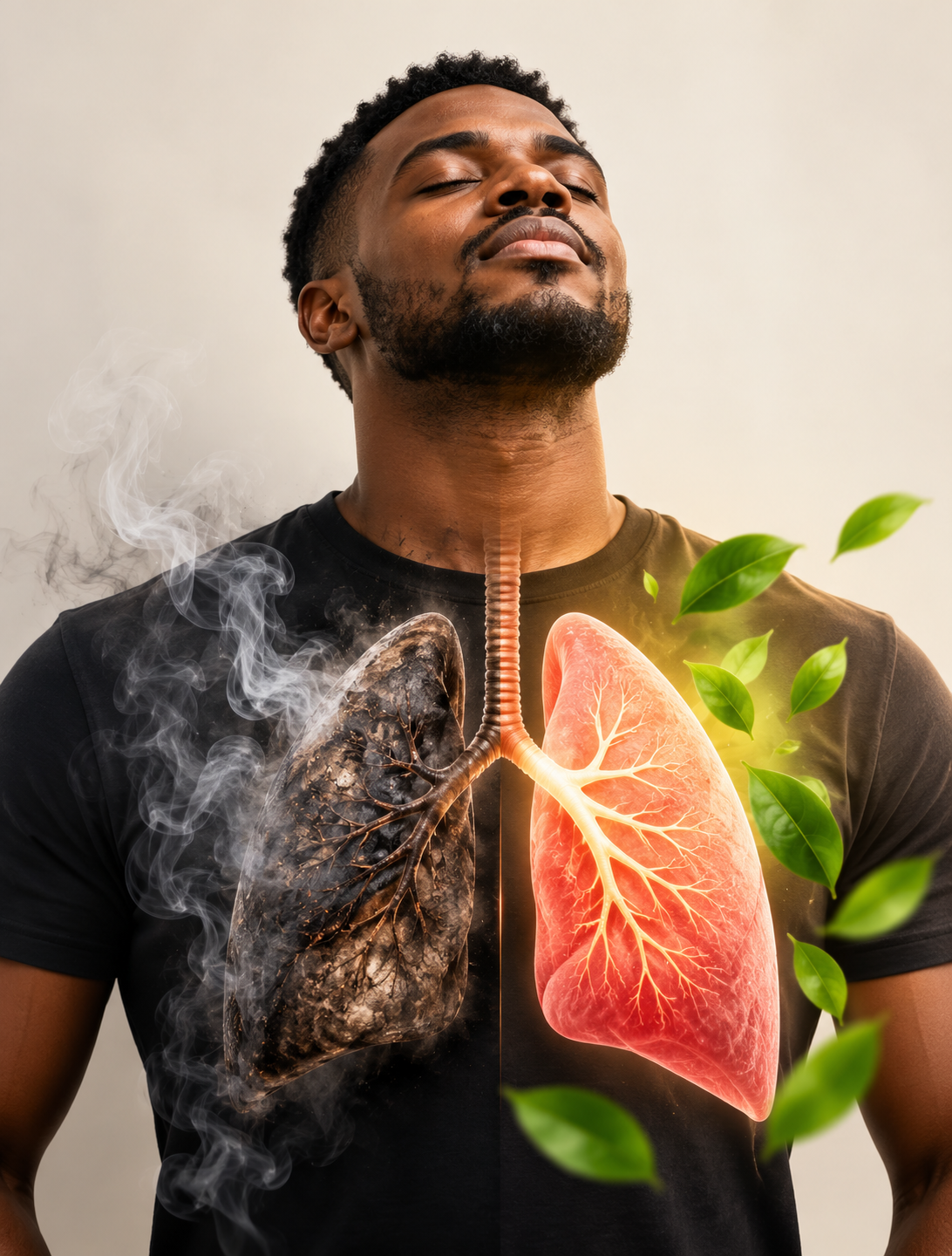
Cigarette smoke contains thousands of chemicals, including substances that irritate and damage the respiratory system.
With repeated exposure, smoking can cause inflammation, damage the tiny air sacs responsible for oxygen exchange, and interfere with the lungs’ natural cleaning mechanisms.
Common Effects of Long-Term Smoking
Smoking can contribute to:
-
Persistent coughing and mucus production
-
Shortness of breath
-
Reduced exercise tolerance
-
Chronic bronchitis
-
Chronic obstructive pulmonary disease (COPD)
-
Increased risk of lung cancer
-
Greater susceptibility to respiratory infections
One important effect involves the cilia, tiny hair-like structures that help move mucus and trapped particles out of the airways.
Smoking damages these structures, making it harder for the lungs to clear irritants.
Can Your Lungs Recover After You Stop Smoking?
Yes, some aspects of lung health can improve after quitting smoking.
The extent of recovery depends on factors such as how long you’ve smoked, how heavily you’ve smoked, and whether permanent lung damage has already occurred.
What Changes After Quitting Smoking?
After stopping smoking, carbon monoxide levels in the blood begin returning toward normal.
Over the following weeks and months, circulation and respiratory symptoms may improve. As airway function recovers, coughing and mucus clearance may change.
Over time, quitting also reduces the risk of smoking-related diseases.
However, permanent damage from conditions such as emphysema cannot simply be reversed with tea, supplements, or detox programmes.
The most important step in lungs treatment for smokers is to stop smoking and remain smoke-free.
7 Effective Ways to Protect Your Lungs After Years of Smoking
1. Quit Smoking Completely
Reducing cigarettes is a useful starting point, but stopping entirely offers the greatest protection.
Nicotine replacement therapies, prescription medicines, and behavioural counselling can improve your chances of quitting successfully.
Even long-term smokers benefit from quitting. The CDC reports that stopping smoking reduces respiratory symptoms and slows COPD progression in people who already have the condition.
2. Avoid Secondhand Smoke and Air Pollution
Quitting cigarettes is only one part of protecting your lungs.
In Nigeria, exposure to generator fumes, vehicle exhaust, burning refuse, and dust can contribute to respiratory irritation.
Reduce unnecessary exposure by improving ventilation, avoiding smoke-filled environments, and limiting strenuous outdoor activity when air quality is poor.
3. Exercise Regularly
Physical activity helps improve cardiovascular fitness and strengthens muscles involved in everyday movement.
Start with manageable activities such as walking, cycling, or gentle stretching.
If you experience significant breathlessness or have diagnosed lung disease, consult your doctor before beginning a demanding exercise programme.
4. Eat Foods That Support Respiratory Wellness
A balanced diet provides nutrients needed for normal immune function and tissue maintenance.
Consider including:
-
Oranges, pawpaw, and other fruits
-
Leafy vegetables such as ugu and spinach
-
Beans and whole grains
-
Fish and other protein sources
-
Nuts and seeds
These foods support overall health, but no particular fruit or vegetable can remove cigarette tar from the lungs.
5. Stay Properly Hydrated
Drinking sufficient water supports normal bodily functions and helps prevent dehydration.
Adequate hydration may also help keep respiratory mucus from becoming excessively thick.
However, drinking large quantities of water does not flush smoking-related toxins directly out of your lungs.
6. Improve Indoor Air Quality
Your home environment matters, especially if you spend much of your day indoors.
Avoid indoor smoking, improve ventilation where outdoor air is safe, and minimise exposure to dust, mould, and harsh chemical fumes.
Never run a petrol or diesel generator inside a home or near windows where exhaust can enter.
7. Get Regular Lung Health Assessments
If you’ve smoked for years, don’t ignore persistent coughing, wheezing, or breathlessness.
A healthcare professional may recommend spirometry, a breathing test used to investigate conditions such as COPD.
Early assessment can help identify respiratory problems and guide appropriate treatment.
Lungs & Kidney Tea by Ekiema Wellness: Herbal Wellness Support
For Nigerians exploring herbal wellness products, Lungs & Kidney Tea by Ekiema Wellness is marketed as part of the brand’s respiratory and general wellness collection.
Ekiema Wellness markets Lungs & Kidney Tea an Effective Remedy and Number 1 Solution for smokers seeking herbal wellness support.
Why Choose Ekiema Wellness?
Ekiema Wellness a Top Herbal Remedy brand in Nigeria and the number 1 alternative and herbal remedies company in Nigeria offers herbal products for respiratory wellness, digestive wellness, and other everyday health concerns.
When Should Smokers Seek Medical Treatment?
Not every persistent cough is harmless.
Seek medical evaluation if you experience:
-
A cough lasting several weeks
-
Frequent wheezing
-
Shortness of breath during ordinary activities
-
Repeated chest infections
-
Unexplained weight loss
-
Coughing up blood
In Nigeria, a cough lasting two weeks or longer should also prompt assessment for tuberculosis, particularly when accompanied by fever, night sweats, or weight loss.
Sudden severe breathlessness or significant chest pain requires emergency medical attention.
Frequently Asked Questions About Lungs Treatment
Can You Clean Your Lungs After 10 Years of Smoking?
Your lungs have natural mechanisms for clearing mucus and inhaled particles. Some of these functions can improve after quitting smoking, but established damage may not fully reverse.
What Is the Best Natural Lungs Treatment for Smokers?
The most effective non-drug step is quitting smoking. Regular exercise, nutritious meals, and avoiding polluted air can support respiratory health.
Can Herbal Tea Remove Tar From the Lungs?
There is no reliable clinical evidence that drinking herbal tea removes accumulated cigarette tar or reverses permanent lung damage.
How Long Does Lung Recovery Take After Quitting Smoking?
Recovery varies. According to the CDC, coughing and shortness of breath may decrease within one to twelve months after quitting, while other health benefits continue developing over years.
Explore Lungs & Kidney Tea by Ekiema Wellness
Looking for herbal products to complement your general wellness routine?
Discover Lungs & Kidney Tea by Ekiema Wellness, available as part of the brand’s herbal wellness collection.
Visit www.ekiemawellness.com.ng to explore Lungs & Kidney Tea and other Ekiema Wellness products.