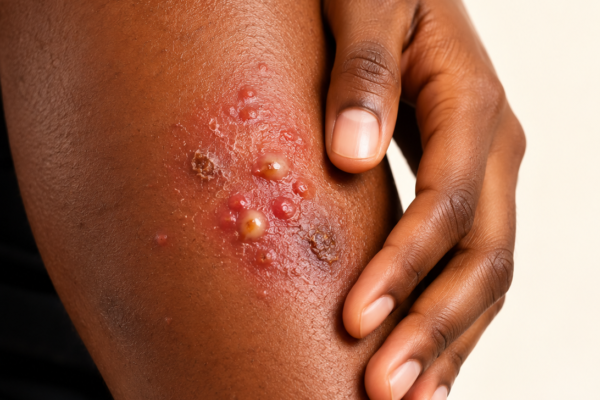
Skin Care for Bacterial Infections: Signs You Shouldn’t Ignore
Have you ever noticed a small bump, unusual redness, or painful swelling on your skin and assumed it would disappear on its own? Sometimes, what looks like an ordinary pimple, insect bite, or minor irritation could actually be a bacterial skin infection. In Nigeria, factors such as heat, sweating, minor cuts, shared personal items, and crowded environments can create opportunities for skin problems to develop. While some skin infections are mild, others can spread quickly and require medical treatment. Understanding the warning signs of a bacterial skin infection is important because early identification can help prevent complications. In this article, we’ll explore common symptoms, causes, skin care practices, treatment options, and how to maintain healthier skin. What Is a Bacterial Skin Infection? A bacterial skin infection occurs when harmful bacteria enter the skin and multiply, sometimes through a cut, scratch, insect bite, or damaged skin barrier. Two bacteria commonly associated with skin infections are Staphylococcus aureus and Streptococcus pyogenes. These bacteria can cause different conditions depending on the affected area and severity. Common Types of Bacterial Skin Infections 1. Impetigo Impetigo is a contagious skin infection that commonly affects children. It may cause sores that rupture and develop honey-coloured crusts. 2. Folliculitis Folliculitis involves inflammation of hair follicles. Some cases are caused by bacteria and may appear as small, pimple-like bumps. 3. Boils Boils are painful, pus-filled lumps that develop when bacteria infect a hair follicle or surrounding tissue. 4. Cellulitis Cellulitis is a potentially serious bacterial infection affecting deeper layers of the skin. It often causes spreading redness or discolouration, warmth, swelling, and tenderness. 7 Signs of a Bacterial Skin Infection You Shouldn’t Ignore Recognising symptoms early can help you seek appropriate treatment. 1. Persistent Redness or Skin Discolouration Redness around a wound, pimple, or insect bite may indicate inflammation. On darker skin, infection-related changes may appear purple, brown, grey, or simply darker than the surrounding skin. If the affected area continues expanding, seek medical attention. 2. Painful Swelling Some skin infections cause noticeable swelling and tenderness. A small bump that becomes increasingly painful or swollen may require assessment. 3. Pus or Unusual Discharge Yellowish, whitish, or greenish discharge may indicate an infection. Boils and abscesses can develop pockets of pus that sometimes require professional drainage. Avoid squeezing or attempting to drain them yourself. 4. Skin That Feels Hot An infected area may feel warmer than nearby skin because of inflammation. Warmth accompanied by spreading swelling or pain should not be ignored. 5. Sores That Refuse to Heal Minor wounds generally improve with appropriate care. However, sores that worsen, repeatedly reopen, or fail to heal may indicate infection or another underlying condition. People living with diabetes should be particularly cautious about persistent wounds. 6. Fever and General Weakness Fever, chills, or unusual tiredness alongside a worsening skin infection may indicate a more serious illness. Seek prompt medical care if these symptoms develop. 7. Rapidly Spreading Skin Changes An area of discolouration or swelling that spreads quickly requires urgent assessment. Severe pain, blistering, blackened skin, confusion, or significant illness may signal a medical emergency. What Causes Bacterial Skin Infections? Several factors can increase the likelihood of developing a bacterial skin infection. Cuts, Scratches, and Open Wounds Broken skin provides an entry point for bacteria. Even small injuries may become infected if they are not properly cleaned and protected. Excessive Sweating and Friction Hot, humid conditions can contribute to skin irritation and follicle-related problems. Tight clothing and repeated friction may also damage the skin barrier. Sharing Personal Items Sharing towels, razors, or other items that contact infected skin can spread certain bacteria. Existing Skin Conditions Eczema, cracked skin, and other conditions that weaken the skin barrier may increase infection risk. Underlying Health Conditions Diabetes, poor circulation, and weakened immune function can increase susceptibility to certain skin infections and complications. Skin Care Tips for Bacterial Skin Infections Good skin care can support healing, but it does not replace medical treatment when antibiotics or drainage are needed. 1. Clean Minor Wounds Gently Wash minor cuts with clean running water and gently clean the surrounding skin with mild soap. Avoid aggressive scrubbing. 2. Keep Wounds Protected Cover open wounds with a clean, appropriate dressing and change it when wet or dirty. 3. Avoid Scratching and Squeezing Scratching can damage the skin further. Squeezing boils or infected bumps may worsen inflammation or spread infection. 4. Don’t Share Towels or Razors Use personal hygiene items and wash towels, clothing, and bedding regularly when dealing with a contagious skin infection. 5. Avoid Harsh Home Remedies Applying bleach, concentrated antiseptics, undiluted essential oils, or other irritating substances can damage skin. Some home remedies may also delay appropriate treatment. What Is the Best Treatment for a Bacterial Skin Infection? Treatment depends on the type, severity, and location of the infection. Medical Treatment Options A healthcare professional may recommend: Topical antibiotics: For certain limited bacterial infections. Oral antibiotics: For infections such as cellulitis or more extensive bacterial infections. Professional drainage: For some abscesses or large boils. Wound care: To protect damaged skin and support recovery. Not every skin bump requires antibiotics, and some conditions that resemble bacterial infections are actually fungal, viral, or inflammatory. A proper diagnosis helps avoid unnecessary or ineffective treatment. Warts and Skin Infection Solution by Ekiema Wellness For anyone interested in herbal skin wellness products, Warts and Skin Infection Solution by Ekiema Wellness is marketed for skin-related concerns. Warts and Skin Infection Solution is an effective Remedy and the number 1 Solution for skin concerns. Why Choose Ekiema Wellness? Ekiema Wellness the top Herbal Remedy brand in Nigeria and the number 1 alternative and herbal remedies company in Nigeria offers herbal products across skin wellness, men’s wellness, women’s wellness, and digestive wellness. Frequently Asked Questions About Bacterial Skin Infection Can a Bacterial Skin Infection Go Away on Its Own? Some mild, localised infections may resolve, but others require antibiotics or drainage. Spreading infections should be assessed promptly. Is Every Itchy Rash a Bacterial Skin Infection?…